



Your neighbour can use CCTV to protect their home, even if it captures a small part of your property. However, recording a large part of your garden, windows or day-to-day activities may raise privacy and data protection concerns.
This guide explains when a neighbour’s CCTV may become a privacy concern, what you can do if your property is being recorded, and how to avoid similar issues when installing your own camera.
Key Takeaways
- A neighbour’s CCTV pointing towards your house is not automatically illegal. The key issue is whether it records more of your property than is necessary and proportionate for security purposes.
- UK data protection rules may apply when CCTV captures identifiable people or areas outside the neighbour’s property boundary.
- Excessive CCTV recording may include monitoring private gardens, windows, entrances or daily activities without a clear security reason.
- You can ask your neighbour to adjust the camera angle, limit the recording area, use privacy masking or change settings that affect your privacy.
- If the issue cannot be resolved, you may be able to exercise your data protection rights or raise a concern with the ICO.
- When installing your own CCTV, use the narrowest viewing angle needed and avoid unnecessarily monitoring neighbouring homes or private spaces.

Is It Legal for a Neighbour’s CCTV to Record Your Property?
A security camera pointing towards your house is not automatically illegal. The law on neighbours CCTV cameras focuses on what the camera records and whether that coverage is necessary and proportionate for security.
When Data Protection Law Applies
If your neighbour’s CCTV records only within their property boundary, data protection law will generally not apply. Once the camera captures identifiable people outside that boundary, however, they may have responsibilities under the UK GDPR and Data Protection Act 2018.
When Recording May Be Excessive
Your neighbour’s CCTV may be excessive if it records most of your private garden, points directly at your doors or windows, follows your movements with PTZ tracking, or captures private conversations without a clear security reason.
Common examples may include a camera installed at a high angle that overlooks your entire back garden, a video doorbell positioned mainly to watch your front door rather than the owner’s entrance, or a PTZ camera repeatedly moved towards neighbouring areas without a clear reason.

What Rules Must Your Neighbour Follow?
If your neighbour’s CCTV records beyond their property boundary, they may need to comply with data protection obligations and respect the privacy and data protection rights of the people they capture.
Your neighbour should:
- have a clear and legitimate reason for using CCTV;
- record only the area needed for that purpose;
- adjust the camera or use privacy masking where possible;
- make people aware that CCTV is operating;
- avoid recording audio unless it is necessary;
- keep recordings secure and limit access;
- delete footage when it is no longer needed;
- respond properly to requests to access, object to or delete footage;
- avoid sharing identifiable footage publicly without a valid reason.
These UK CCTV regulations are intended to keep CCTV use proportionate and focused on genuine security needs, rather than unnecessarily monitoring neighbouring property.
What to Do If Your Neighbour Breaks CCTV Rules
If you think your neighbour is not following these rules, start by checking what the camera actually records before deciding what action to take.
Confirm What the Camera Records
First, find out whether the camera actually captures your property. Check its direction, possible viewing range and whether it can rotate or record audio, then ask your neighbour to confirm whether your garden, doors or windows appear in the footage. The same factors should also be considered when you install a security camera around your own home, especially when choosing the right position and viewing angle.
Bear in mind that the direction in which a camera appears to point does not always show its exact field of view, so asking your neighbour what is actually recorded can help clarify the situation.
Raise the Issue With Your Neighbour
Ask your neighbour to change the part of the CCTV setup that is causing the problem. This could mean lowering the camera, changing its angle, limiting PTZ movement, switching off audio or adding a privacy zone over your property. These adjustments are also common considerations when following UK door camera rules.
Make the request in writing where possible so there is a record of what you asked them to change. Keeping the request specific — for example, asking them to mask a particular window or section of your garden — may make the issue easier to resolve.
Exercise Your Data Protection Rights
If your neighbour’s CCTV has recorded you, you can ask to access footage containing your personal data. You can also object to continued recording or request deletion in certain circumstances.
When requesting footage, include details such as the approximate date, time and location so your neighbour can identify the relevant recording. Subject access requests normally need to be answered within one month.
Other identifiable people may need to be blurred or otherwise obscured before footage is provided to you.
Escalate an Unresolved Complaint
If your neighbour does not address the issue, you can make a complaint to the Information Commissioner’s Office. Keep copies of your messages and any details showing how the camera is positioned or how your property is being recorded.
If the surveillance also involves threats, intimidation, harassment or potentially criminal behaviour, you may need to contact the police or seek legal advice.
How to Position Your Own CCTV Responsibly
The same privacy principles and home CCTV legislation considerations apply when installing CCTV around your own home. Start with the specific area you need to protect, then choose an outdoor security camera and viewing angle that avoids unnecessary coverage of neighbouring property.

Use a Fixed View for a Single Entrance
A fixed-view camera is easier to manage during CCTV home security installation around a gate, garage or side entrance because the recording area does not change once the angle is set.
The ieGeek Solar Security Camera S1 uses a fixed bullet design with 3MP 2K video, so the camera can stay centred on one entrance and its immediate approach. This makes it easier to check the frame during installation and reduce the amount of neighbouring property appearing unnecessarily in the footage.
Limit PTZ Coverage Around Gardens
A garden may have several areas worth checking, from a gate to a patio or rear path. PTZ makes it possible to look across these areas from one camera position, but the wider movement also needs to be controlled carefully.
The ieGeek Solar Security Camera S5 combines 3MP 2K video, a 103° horizontal view and adjustable PTZ coverage. Its movement can be used to check different parts of your own garden without installing several cameras, while the usual viewing position can remain centred on the areas you actually want to monitor.
If the camera supports movement limits, detection zones or privacy masking, configure these so that routine monitoring remains focused on your own property.
Keep Driveway Monitoring Focused on the Driveway
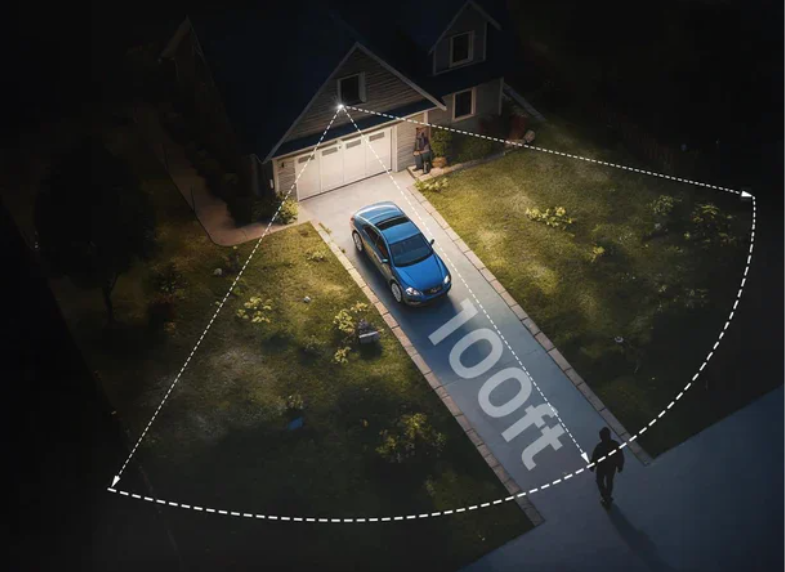
A longer driveway needs enough coverage to follow visitors, vehicles and deliveries without making nearby homes a major part of the frame.
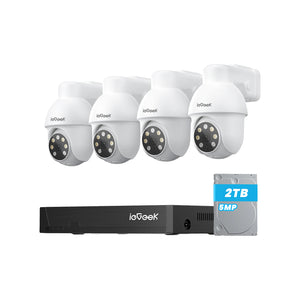
The ieGeek Solar Security Camera ZS-GX4S combines 5MP video, a 120° diagonal field of view and 355° horizontal PTZ movement, giving you more flexibility to cover the length of the driveway. Its area detection can also keep alerts focused on selected sections of your property rather than movement outside the area you want to monitor.
After installation, review the live view during both the day and night. If neighbouring windows, gardens or entrances occupy more of the image than necessary, adjust the angle, detection area or privacy settings so the camera remains focused on your own security needs.

FAQs
My neighbour has a camera pointed at my backyard. What can I do?
First check whether the camera actually records your back garden or only a small unavoidable area. If a large part of your private space is visible, ask your neighbour to adjust the angle, limit the viewing area or add privacy masking. If the issue cannot be resolved, you can consider raising a data protection concern with the ICO.
Is it legal for my neighbour's camera to point at my garden in the UK?
It can be legal if the camera captures only a limited area that is necessary for security. However, concerns may arise if it records most of your garden, private areas such as windows or doors, or monitors your activities without a clear security reason.
The fact that part of your garden appears in the frame does not, by itself, mean the CCTV is unlawful; the extent of the recording and the reason for it are important.
Can my neighbour point a video doorbell at my door?
A video doorbell may capture your doorway or the area immediately outside it, especially when homes are close together or entrances face each other. This is not automatically illegal, but problems may arise if the camera is mainly used to monitor your comings and goings or records more of your private area than necessary.
Can I ask my neighbour to remove their CCTV?
You cannot usually require a neighbour to remove CCTV simply because it captures a small part of your property. However, you can ask them to adjust the camera if it records more than needed, such as a large part of your garden, windows or private areas.
In many cases, changing the angle, adding privacy masking or restricting PTZ movement may resolve the issue without removing the camera altogether.
Do you legally have to tell people you have CCTV?
You do not usually need to display a sign if your CCTV only records your own home, private garden or driveway. If it captures identifiable people outside your property boundary, you should make them aware that recording is taking place through suitable notice or signage.
Conclusion
A neighbour’s CCTV pointing towards your house is not automatically illegal. The important question is whether it captures more of your property than is reasonably needed for a legitimate security purpose.
If you have concerns, first check what the camera records and discuss a reasonable adjustment with your neighbour. If the recording remains excessive, you can consider your data protection rights or contact the ICO.
If you are installing CCTV yourself, review the camera from a neighbour’s point of view as well as your own. Keeping the field of view focused, limiting unnecessary audio and using privacy settings where available can reduce the risk of disputes.
Author Introduction
 |
Written by the ieGeek team, a brand dedicated to making smart security simple and accessible for everyone. With experience in designing easy-to-install security cameras, we aim to provide practical advice based on real user scenarios. Our goal is to provide reliable, easy-to-use technology that helps users stay connected and protected in different environments. |