



Manchester is one of the UK’s busiest cities, attracting people who live, study, work and visit there throughout the year. Most people can live in or visit Manchester without facing major problems, but crime can still happen in certain areas and situations.
This guide looks at safety in Manchester in 2026, including crime risks, differences between neighbourhoods, ways to protect your belongings and home, and what to do if a crime occurs.
Key Takeaways
-
Manchester is generally safe for living and visiting, but the risk of crime changes depending on the area, time of day and what you are doing.
-
Burglary, robbery and knife crime have gone down across Greater Manchester. Theft, vehicle crime and antisocial behavior still need attention.
-
Busy shopping areas, transport stations and nightlife spots can increase the chance of being a target for theft and incidents that happen late at night.
-
Use lit paths at night keep phones and valuable items safe and make sure bikes and cars are locked properly.
-
At home, improve doors, gates and outdoor access points. Keep driveways and entrances well lit and visible.
-
Choose a security camera based on the risk area: the ieGeek ZS-GX3S for fixed entrance coverage, the ieGeek ZY-E2 for dark driveways with floodlighting, or the ieGeek S7 for larger outdoor areas that benefit from PTZ tracking and continuous recording.
-
Call 999 for danger; use 101 or the Greater Manchester Police online reporting system for non-emergency incidents.

Is Manchester Safe in 2026?
Manchester is a city where people can go about their lives with the same level of awareness as in other big UK cities. For those asking whether Manchester is a safe city, the answer depends on the area, time of day and type of activity. Looking at crime patterns gives a better understanding than just calling the whole city "safe" or "unsafe."
Greater Manchester Police reported 10,000 fewer crimes in 2025, including a 21% drop in burglary, a 16% drop in robbery and a 13% drop in knife crime. ONS data for the year ending March 2026 also showed knife-enabled crime recorded by Greater Manchester Police falling by 17%. These trends are positive, but the level of risk still depends on the location and situation.
What Are the Most Common Crime Risks in Manchester?
For people living in or visiting Manchester, the main worries include theft in crowded places, burglary and outdoor theft, vehicle crime, and issues that come with late-night activities. Understanding where each risk tends to occur makes it easier to take precautions.
Phone Theft in Crowded Places
Keep bags closed and put valuables away when they are not in use. If you need to check your phone, step away from the edge of the pavement and stay aware of your surroundings.
Burglary and Theft from Outdoor Areas
Although recorded burglary has fallen across the wider Greater Manchester police-force area, homes, sheds, garages and gardens can still be targeted when access is easy. A bicycle behind an open gate or tools in an unlocked shed may be taken without anyone entering the main house.
High-quality locks, secure side access and good lighting are practical burglary prevention measures that can make these areas harder to approach without being noticed.

Vehicle Crime
Vehicle crime includes stealing cars, stealing from cars and damaging cars on purpose. A car parked on a street or driveway may be more exposed when bags or electronics are visible through the windows.
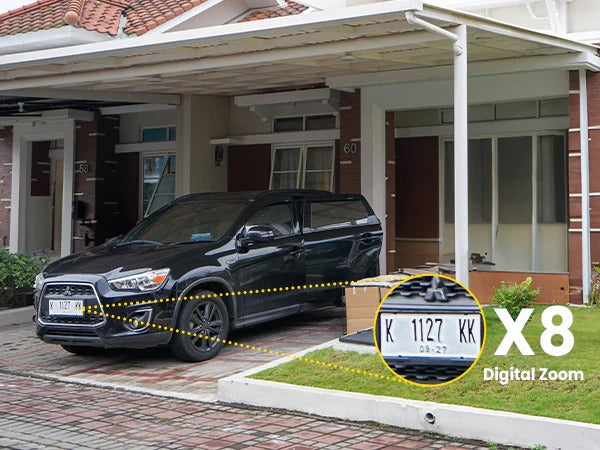
Taking valuables out of sight, locking the car even if it is on a driveway and making the parking area more visible with lighting or security cameras can lower avoidable risks.
Violence and Antisocial Behaviour
Violence and antisocial behavior are more likely to be a concern around nightlife areas, transport spots and places where people drink a lot.
A street next to bars at closing time may feel different from the same street on a weekday morning. Staying on well-lit routes and leaving an uncomfortable situation early is usually better than thinking an entire neighborhood is unsafe.
Safer Areas and Higher-Risk Areas in Manchester
Manchester has commercial areas, student neighborhoods and quieter residential streets, so conditions can be very different even in a small area.
Areas Generally Considered Safer
Residential areas like Didsbury and Chorlton are often seen as safer than parts of central Manchester. With less concentrated nightlife and fewer visitors, people may face a lower risk of theft and alcohol-related antisocial behaviour, although burglary and vehicle crime can still happen.
Areas Where Extra Caution May Be Needed
Central Manchester can have theft and antisocial behavior because of busy shopping streets, big stations and late-night spots. The risk can increase at night. A well-lit main road with shops and regular public transport may still feel safer than a quiet or isolated route in another part of the city.
How to Check an Area Before Moving
Look at the broader Manchester crime rate, then check crime data for the specific postcode and visit the area at different times of day. Watch the street lighting, how many people are around, parking conditions, and the routes you would use to get to public transport, shops or work.
Safety can change a lot in Manchester, so using crime data and visiting the neighborhood yourself can give you a better idea of how safe the area is.
A 20-Minute Area Check Before You Move
- Search the postcode on the Greater Manchester Police neighbourhood page and review more than one month of data.
- If it is safe to do so, visit in daylight and after dark, including the route to the nearest bus, tram or rail stop.
- Check street lighting, parking visibility, building access, side passages and secure bicycle storage.
- Notice whether evening footfall comes from homes, transport, shops or late-night venues; each creates a different pattern.
- Ask about practical issues such as entry systems, parcel handling and who controls shared gates, rather than relying only on an area's reputation.

Safety Tips for Living in Manchester
Once the main risks around a neighbourhood are known, everyday habits can reduce the chance of being affected. Personal awareness, securing items, making access harder and improving visibility around the home usually work best together.
Plan Safer Routes After Dark
The shortest way home is not always the best choice after dark. Main roads with good lighting, open shops and regular public transport provide more options if something feels wrong.
Someone leaving a city-centre restaurant might choose a longer road with shops and people passing by instead of taking a shortcut along a quiet canal or through an empty park.
Protect Phones and Personal Belongings
Phones are easier to lose or steal when attention is on the screen. Standing close to a sidewalk while checking directions can make someone less aware of people passing by.
Keep bags closed in crowded places and store wallets and phones in safe pockets. Device tracking and screen locks won’t stop theft. They can help protect information and make it easier to find the device later.
Secure Bicycles and Parked Cars
Bicycles should be locked through the frame to a fixed object. At home, a locked shed, garage or secure cycle store helps more.
For cars, take valuables out of sight, lock the doors even when the car is on a private driveway, and check whether someone could approach from a blind spot.
Strengthen Doors and Outdoor Access
Keeping the home safe starts with making entrances and outdoor access points harder to reach or enter without being noticed. Strong outside locks, closed gates, motion-activated lights and controlled side access can all help reduce chances around doors, windows, bikes and cars.
A house with an open side passage might benefit from a side gate, while a home with a long driveway might need better lighting near the garage or rear entrance.
Use Cameras for Property Crime Risks
For households concerned about burglary, vehicle crime or theft from outdoor areas, outdoor security cameras can support monitoring, alerts and evidence collection. Choose the viewing area, power source and recording mode before comparing extra features.

A front door, side entrance or garage usually has one approach. The ieGeek ZS-GX3S 2K wireless outdoor camera works well for this kind of fixed monitoring with 2K 3MP video and a 120° view. AI detection can tell the difference between people, vehicles, pets and packages while battery and solar power give flexibility when setting up.
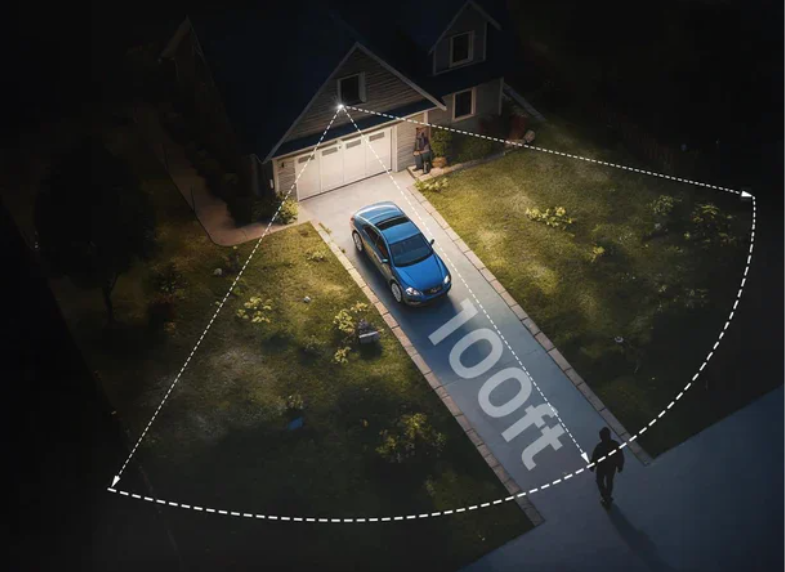
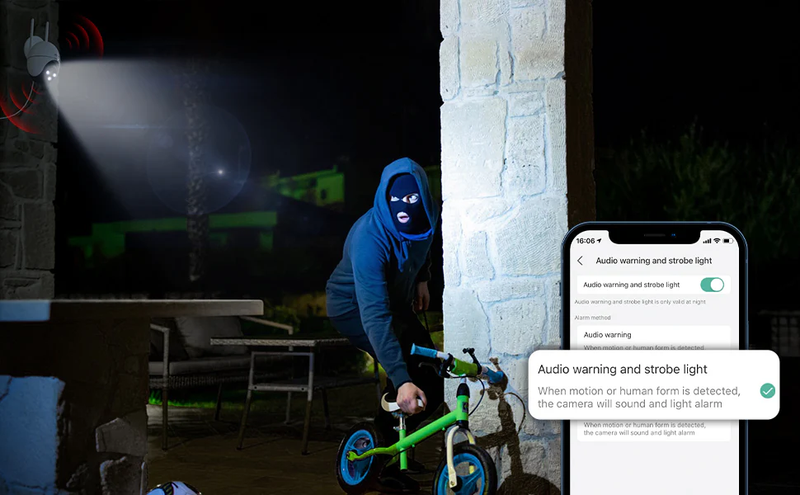
A dark driveway brings a problem because someone can get close to a parked car without being seen. The ieGeek ZY-E2 5MP outdoor security camera has a 5MP camera with 2,600-lumen floodlighting, human detection and a 110dB alarm can give people a view of the driveway or garage entrance at night. Hardwired power also supports 24/7 recording, so footage isn't limited to clips.
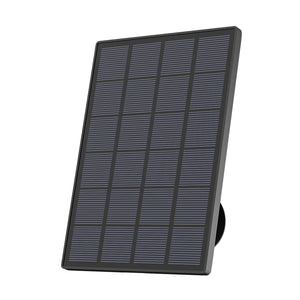
For a larger exterior route, such as a side passage leading from the driveway to the garden, a PTZ model can cover movement across more than one fixed angle. The ieGeek S7 360° AOV camera supports PTZ auto-tracking and 24/7 AOV plus motion recording. Its 9,000 mAh battery, 5 W solar panel and microSD support up to 256 GB are designed for extended outdoor monitoring; the installation point needs reliable 2.4 GHz Wi-Fi. Readers comparing this recording approach can also review the continuous recording security camera range.

For Manchester homes, camera coverage is more helpful when it records likely approach routes linked to burglary, theft or vehicle crime rather than just covering the largest area.
What to Do If a Crime Happens in Manchester
These steps can lower the risk, but they can't remove it completely. If something happens, personal safety is most important; after that, save information and report the situation through the right way.
Call 999 when there is danger, violence is happening, a crime is being committed or the suspect is still nearby. Non-emergency cases can usually be reported to Greater Manchester Police online or through 101.
Once you are safe:
- Write down the time, location and direction the person went.
- Save any camera footage before it gets deleted.
- Take photos of damage without moving things.
- Block stolen bank cards and mobile services as soon as possible.
- Keep the police reference number for insurance or evidence needs.
If an incident happens on the railway, it can also be reported to British Transport Police. For a non-emergency rail issue, text 61016 or call 0800 40 50 40; in an emergency, call 999.
FAQs
Is it safe to walk around Manchester at night?
Many people walk around Manchester at night without issues on busy and well-lit paths. It makes sense to be extra careful on quiet streets, lonely shortcuts and places where nightlife ends late at night.
If a path feels uneasy, head toward a place that's open, a spot with staff or a more crowded street.
Is London or Manchester safer?
There is no answer that covers both cities because the two places have different sizes, layouts, and types of crime. Greater Manchester also changes a lot from one area to another. It’s better to look at the specific places someone plans to live or visit rather than use one overall ranking.
Is Manchester safe for a night out?
Manchester has a night-time scene, and most nights out go smoothly without major problems. Crowded places, alcohol and travelling late can still bring more chances of being stolen from, harassed or involved in disorder.
Staying with friends, keeping phones safe and planning the way ahead of time can help lower some of these risks.
Where not to go in Manchester?
It's better to avoid situations instead of saying certain neighborhoods should never be visited. Parks that aren't lit lonely canal paths, empty side streets, and unfamiliar shortcuts need more attention at night, especially when alone.
Is transport in Manchester safe?
Public transport is usually fine to use, but travellers should stay aware of their belongings and surroundings, especially when it's late.
Phones and wallets need to be kept safe at stops, on packed trams and inside big stations. On the train system, British Transport Police tells people to stay alert and keep their things with them.
Conclusion
Manchester cannot be clearly described as either safe or very unsafe because the risk changes depending on the area, the time of day and the situation.
Staying alert in busy areas, picking routes that are busy and have good lighting when it's dark, making sure bikes and cars are locked up, and improving security around the house can all help lower risks.
About the Author
 |
Written by the ieGeek team, a brand dedicated to making smart security simple and accessible for everyone. With experience in designing easy-to-install security cameras, we aim to provide practical advice based on real user scenarios. Our goal is to provide reliable, easy-to-use technology that helps users stay connected and protected in different environments. |