



Bicycle theft can happen outside a railway station, inside communal cycle storage or close to home. A good-quality lock makes a bike harder to remove, but protection also depends on where you leave it, what it is attached to and whether the frame number and ownership details have been recorded.
This guide explains where the risk is highest, what to do if you have a bike stolen, and how to combine locks, registration, insurance and home security to reduce the chance of it happening again.
Key Takeaways
- Bicycle theft is more likely when a bike can be taken quickly, without attracting attention, and resold easily.
- In public areas, secure the frame and both wheels to a secure cycle stand using a D-lock and chain.
- Call 999 if a theft is in progress; otherwise, report it online or call 101, and keep the crime reference number.
- Record the frame number, take clear photographs and register your bike on a recognised cycle registration database before a theft occurs.
- Home storage should combine a secure door, a ground or wall anchor, and a camera covering the entrance and approach route.
- At home, choose a camera around the storage risk: S1 fixed solar monitoring for one entrance, a hardwired floodlight ZY-E2 for a dark approach, or S7 AOV recording where a fuller event timeline matters.

Where Bike Thefts Happen in the UK
Bicycles are easy to move, often have resale value and may be left unattended for long periods. Some thefts are opportunistic, while others involve prior observation, specialist tools or a vehicle used to transport stolen bikes.
Theft in Public Cycle Parking Areas
Public cycle parking areas allow thieves to blend into crowds. Passers-by may assume that someone handling a lock owns the bicycle. Weak cable locks, removable wheels and poorly secured stands can also make theft faster, particularly when an area is quieter after dark.
Theft From Homes and Private Storage
Sheds, garages and side passages can hide a thief from neighbours. Lightweight doors, exposed hinges and unsecured windows may provide easy access during a home burglary. Roof racks or cycling equipment visible outside the property can also advertise that a bicycle may be stored at the address.
Theft From Communal Cycle Storage
Communal cycle storage places several bicycles in one enclosed area. A thief may gain access by following a resident through a secure entrance or using an access code that has not been changed. Once inside, unfamiliar activity can go unnoticed, while weak stands may allow locked bicycles to be removed along with the fixture they are secured to.
What to Do If You Have a Bike Stolen
Quick action can preserve evidence and reduce the time available for the bicycle to be resold. Avoid confronting a suspected thief or attempting to recover the bike yourself.
Preserve Evidence and Report the Theft
Photograph the empty parking space, damaged locks, doors and any abandoned tools before the area is cleaned. Nearby homes, shops or car parks may have cameras covering the approach route, so ask the owner to preserve the relevant CCTV footage as soon as possible.
Call 999 if the theft is in progress, has just happened or someone is in immediate danger. For a completed non-emergency theft, use your local force’s online reporting service or call 101, following Police’s reporting guidance. Prepare the following information:
- The bicycle’s make, model, colour and frame number
- The location and estimated time of the theft
- Photographs, registration details and identifying marks
- Information about witnesses or available CCTV footage
Keep the crime reference number because your insurer may ask for it when you make a claim. If the bicycle has a tracker, give its location data to the police rather than following the signal yourself.
Report the Bike as Stolen and Search Online Marketplaces
Update the bicycle’s status on the cycle registration database where it was registered, as this can help police identify the owner if the bike is recovered. When checking online marketplaces, search for distinctive marks and component details rather than relying only on the brand, since a seller may remove accessories or use a general description.
If you find a listing that may be your bicycle, save screenshots, the URL, price and seller details, then provide this information to the police and quote your existing crime reference number. Do not contact the seller or arrange a meeting yourself.

Contact Your Insurer
Notify your insurer within the period specified in the policy. Evidence may include proof of purchase, photographs, frame details, lock receipts and the crime reference number. Home contents insurance may protect a bicycle at the insured address but require additional cover when it is away from home.
Check the policy excess, claim limit and storage conditions. Cover may be reduced or refused when the bicycle was secured with a lock that does not meet the policy requirements or left in an area that does not meet the insurer’s security conditions.
How to Prevent Bicycle Theft in Different Parking Situations
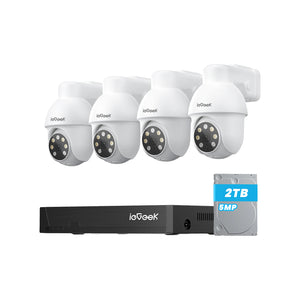
Bicycles face different risks in public parking areas, communal cycle storage and private homes. Choosing security measures for each setting, including security cameras where appropriate, can make the bike harder to remove and improve the chance of identifying what happened after a theft.
Parking on Streets or Near Railway Stations
A well-lit area with a fixed, undamaged cycle stand is generally safer for street or railway station parking. For stronger protection, a D-lock can secure the frame and rear wheel, while a chain connects the front wheel and frame to the stand. Both locks should sit close to the frame, leaving as little room as possible for thieves to use leverage tools.
Detachable lights and displays are best carried with you. Removing an e-bike battery may also make the bicycle less attractive to thieves, although proper locking is still necessary.
Parking at Work, University or in Communal Cycle Storage
Bicycles left at work or university may remain unattended for several hours, so access-controlled cycle stores or secure cycle compounds are preferable to open racks. Entry codes should be kept private, and unknown people should not be allowed to follow you through a secure entrance.
If the entrance or access system is damaged, the bicycle should be moved elsewhere until repairs are completed.
Storing a Bicycle Near Your Home
If you are comparing outdoor security cameras, start with the entrance and approach route rather than camera specifications alone. Home storage should combine a secure outer door with a ground or wall anchor. Locks can delay removal, but they cannot alert the owner when someone approaches a shed or damages its entrance. A camera covering the approach route, storage door and locking point can provide activity alerts, visible deterrence and recorded evidence.

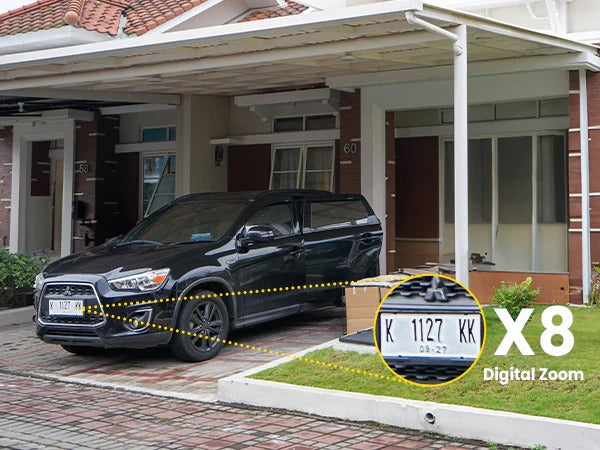
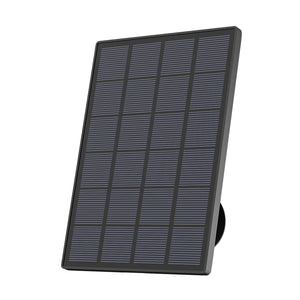
Where home Wi-Fi is available but mains power is not, solar security cameras can reduce cabling and charging work. For a shed, back garden or side entrance with home Wi-Fi but no convenient mains power supply, the ieGeek Solar Security Camera S1 provides fixed-view monitoring without additional wiring. Its integrated solar panel supports flexible installation, while the 2K image and four LED lights can help capture clothing and movement at night. Image detail will still depend on the monitoring distance and available lighting.
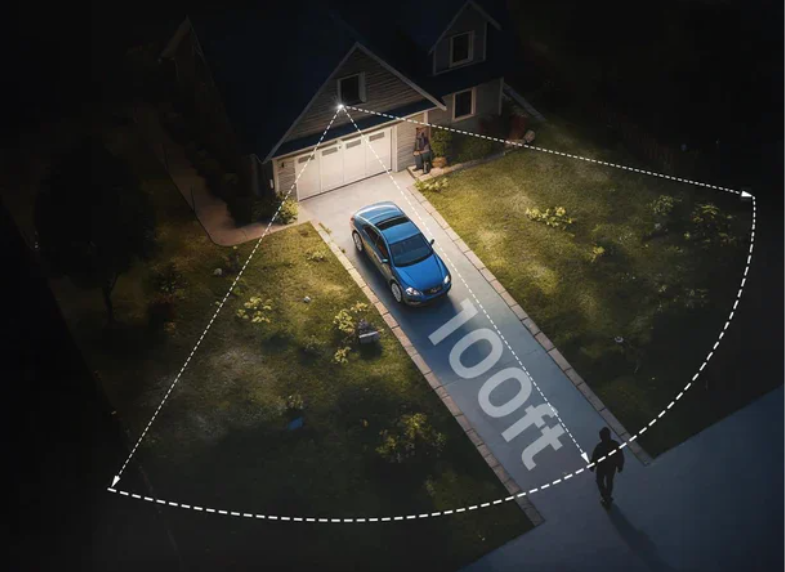
A dark garage entrance, long driveway or open parking area may be better suited to the ieGeek Floodlight Camera ZY-E2. Its 2,600-lumen floodlight illuminates a wider area, while the 110 dB siren can help deter someone approaching the bicycle. A hardwired power supply and 24/7 recording also support continuous coverage of a fixed storage area.

Where motion-triggered clips may miss the beginning of an incident, the ieGeek Wireless 24/7 Recording Camera S7 supports AOV 24/7 continuous recording. Its 4MP image and support for up to 256GB of local storage can retain the sequence of someone approaching, damaging a lock and leaving. Stable 2.4GHz Wi-Fi and sufficient sunlight are required where the camera is installed.
For most home storage areas with reliable Wi-Fi, the S1 provides a simpler option. If the bicycle is kept in a remote garage, rural outbuilding or another location beyond Wi-Fi coverage, the 4G-enabled S11 may be more suitable.
Record and Register Your Bicycle
Record the make, model, frame number and component details before a theft occurs. Photographs should show the entire bicycle as well as accessories, modifications and any distinctive marks or damage.
Keep the following records somewhere separate from the bicycle:
- Purchase receipt and current photographs
- Frame number and registration details
- Lock receipts and security ratings
- Insurance policy and declared bicycle value
Registering the frame number on a recognised national cycle registration database can help police connect a recovered bike with its owner. Visible security marking may also make the bicycle less attractive to thieves and more difficult to resell.
Check Your Insurance Conditions
Read the policy before deciding where to store the bicycle. Check the approved-lock standard, maximum unattended period, geographical coverage and what the insurer considers to be a securely locked building. Some policies require the frame to be attached to an immovable object even inside communal cycle storage.
Electric-bike batteries and upgraded components may have separate limits. Inform the insurer when modifications significantly increase the bicycle’s value so your level of cover remains appropriate.
Additional Tips: UK Laws Related to Bicycle Theft
If a tracker or online listing points to a possible location, pass the information to the police and do not confront a suspect or attempt to recover the bicycle yourself. Use 999 only when a crime is in progress or someone is in immediate danger; otherwise report it online or call 101.
A home camera should capture only the area reasonably needed to protect the property. If it records beyond your boundary, such as a neighbour’s garden, shared path or public road, follow the ICO’s guidance for home CCTV systems, adjust the viewing angle and use privacy masking where available.
FAQs
Are bikes one of the most stolen items?
Bicycle theft is a common type of property crime in the UK, although its ranking among stolen items varies by area and reporting period. Public cycle racks, railway and transport hubs, and communal cycle storage areas can face higher risks because bicycles may remain unattended for several hours.
What colour bike is least likely to be stolen?
No bicycle colour has been proven to prevent theft. A distinctive colour may make a stolen bike easier to identify, but secure parking and good-quality locks matter more.
Can CCTV footage be used to report a stolen bicycle?
Yes. Preserve the original footage with the correct date and time, then provide it to the police. Recordings showing the person approaching and leaving the area may also be useful.
Where should I position a camera to protect my bicycle?
Cover the approach route, storage entrance and locking area. Test the image at night and avoid mounting the camera so high that faces are difficult to identify.
Does UK home contents insurance cover bicycle theft?
Some policies cover theft from the insured property, while cover away from home may require additional protection. Check approved locks, storage conditions, claim limits and the policy excess.
Conclusion
Bicycle theft prevention works best through several layers. Good-quality locks and anchors delay removal, careful parking reduces opportunity, registration supports recovery, and camera coverage can provide alerts and evidence.
Use two good-quality locks in public areas, secure the frame to a suitable fixed point inside communal cycle storage, and combine a reinforced entrance, internal anchor and suitable camera at home.
About the Author
 |
Written by the ieGeek team, a brand dedicated to making smart security simple and accessible for everyone. With experience in designing easy-to-install security cameras, we aim to provide practical advice based on real user scenarios. Our goal is to provide reliable, easy-to-use technology that helps users stay connected and protected in different environments. |