





London is still a city where most people can move around safely, but the picture changes fast once you look borough by borough. Discussions around the most unsafe areas in London are not just based on perception. They are often shaped by official crime statistics, particularly from the Office for National Statistics (ONS), which consistently shows significant variation in reported offences across different boroughs. While some parts of the capital remain among London's safest boroughs, others experience higher levels of theft, violent crime, and anti-social behaviour, especially in densely populated or economically deprived zones.
In this guide, we will look at the boroughs that keep coming up in London criminal news, why some worst places in London attract more incidents, and what that means for daily life, travel, and home security.

Crime Rates in Different Boroughs
When looking at the most unsafe areas in London, it is important to understand that crime levels are not evenly distributed across the city. Each borough has its own pattern of offences, influenced by population density, transport links, economic conditions, and local policing priorities. While some of London's safest boroughs consistently report lower crime levels, others experience higher rates of theft, violent incidents, and anti-social behaviour. Rather than labelling entire regions as “safe” or “unsafe,” it is more accurate to view London through a borough-level lens.
Overview of London's Crime Rates
London’s overall crime picture is complex, with significant differences depending on time, location, and offence type. According to UK crime reporting trends highlighted by the ONS, theft-related crimes and violence against the person remain among the most commonly reported categories in urban areas. However, these figures are heavily concentrated in specific hotspots rather than evenly spread across the city.
Westminster sits far above the average because huge daytime crowds push up theft and robbery figures, while quieter outer boroughs often look very different on the same metrics. That is why London criminal news often focuses on the same places again and again: the numbers are not random, they cluster around transport hubs, tourist zones, and dense residential streets. For UK residents, that means the headline risk is usually not the whole city, but the daily reality of one postcode versus another.
East London Map UK: A Look at Unsafe Zones
When people search for an East London map uk in relation to safety, they are often trying to identify patterns rather than exact “danger zones.” East London is a large and diverse region, containing both highly regenerated neighbourhoods and areas with historically higher crime rates. Factors such as population density, transport connectivity, and economic variation all contribute to uneven crime distribution.
It is also important to avoid overgeneralising entire boroughs. Some districts within East London have seen significant investment and safety improvements over recent years, while others continue to face challenges linked to deprivation and transient populations. This mix is why East London is frequently mentioned in discussions about worst places in London, even though conditions vary widely from street to street. For families, renters, and commuters, the key is knowing which streets have weaker natural surveillance and heavier late-night activity.

Comparing Crime Rates in London: A Borough-by-Borough Analysis
Crime levels across London boroughs differ significantly, and comparisons help provide a clearer picture than broad labels. The table below summarises general trends based on publicly available crime pattern data and policing reports:
|
Borough Type |
General Crime Level |
Typical Characteristics |
|
Central boroughs (e.g. Westminster, Camden) |
High |
Tourist activity, nightlife, theft hotspots |
|
East London boroughs (e.g. Newham, Tower Hamlets) |
Medium to high (varies by area) |
Dense population, mixed regeneration zones |
|
South London boroughs (e.g. Richmond, Kingston) |
Lower |
Residential, lower footfall crime |
|
Outer London boroughs (e.g. Bromley, Harrow) |
Generally lower |
Suburban layout, fewer hotspots |
These differences help explain why discussions around the most unsafe areas in London are rarely straightforward. Even within higher-crime boroughs, there are often quieter residential zones, while lower-crime areas may still have isolated hotspots near transport or commercial centres.
Most Unsafe Areas in London
London’s safety landscape varies drastically across its boroughs, with some neighbourhoods consistently recording far higher crime rates than the capital’s safest areas. Based on the latest 2025–2026 local crime data and ongoing urban safety trends, five key boroughs stand out as the city’s most high-risk locations for residents and visitors alike.
1. Westminster
As one of London’s busiest tourist and commercial hubs, Westminster holds the highest crime rate across the capital, with hundreds of offences recorded per 1,000 residents annually. The borough’s dense crowds, busy transport links and constant foot traffic make it a prime target for opportunistic crimes, including pickpocketing, mobile theft and fraud, which dominate local criminal news year-round.
Despite this, Westminster is not uniformly unsafe. Many residential streets away from central tourist zones are significantly quieter and are also considered part of London's safest boroughs during nighttime hours. However, its constant activity means visitors should remain particularly aware in crowded areas such as transport stations and entertainment districts.
2. Camden
Famous for its vibrant markets, live music venues and alternative culture, Camden is repeatedly ranked among London’s worst neighbourhoods for overall crime. Areas around Camden Town and major transport links tend to experience higher levels of theft and anti-social behaviour, especially during weekends and late evenings when footfall increases significantly.
At the same time, Camden includes quieter residential zones such as Hampstead and Belsize Park, which are often considered among the more affluent and safer parts of North London. This contrast is important, as the borough’s reputation is heavily influenced by a few high-activity streets rather than its overall residential landscape.
3. Southwark
Covering popular riverside districts and busy inner-city neighbourhoods, Southwark is a consistently high-risk borough in South London, with elevated crime levels affecting both residential communities and tourist spots. Areas around Camden Town and major transport links tend to experience higher levels of theft and anti-social behaviour, especially during weekends and late evenings when footfall increases significantly.
At the same time, Camden includes quieter residential zones such as Hampstead and Belsize Park, which are often considered among the more affluent and safer parts of North London. This contrast is important, as the borough’s reputation is heavily influenced by a few high-activity streets rather than its overall residential landscape.
4. Hackney
Located in East London, Hackney remains one of the most unsafe areas in the eastern capital, with longstanding safety challenges linked to urban deprivation and gang-related activity. Some parts of the borough, particularly near busy commercial streets and nightlife areas, experience higher levels of reported theft and violent incidents compared to outer London averages.
However, Hackney has undergone significant regeneration over the past decade, with many areas now considered desirable residential locations. This duality is why it often appears in both “unsafe” and “up-and-coming” discussions. Safety can vary dramatically from one street to the next, making localised awareness more important than borough-wide assumptions.
5. Islington
Islington is another central London borough often included in conversations about the most unsafe areas in London, largely due to its busy nightlife spots and transport connections. Areas around Angel and Upper Street see high levels of pedestrian traffic, which can lead to opportunistic crimes such as theft, especially late at night.
Despite this, Islington also includes many quiet residential streets that are widely considered safe and highly sought after. It is often listed among london's safest boroughs in terms of residential stability, showing again that safety perceptions are highly dependent on specific locations within the borough rather than the borough as a whole.

Factors Contributing to High Crime Rates
Crime patterns across the most unsafe areas in London are influenced by a combination of social, economic, and environmental factors rather than a single cause. Boroughs frequently mentioned in London criminal news often share characteristics such as dense population, heavy transport usage, nightlife activity, or long-standing economic inequality. These interconnected factors create persistent safety challenges that separate the most unsafe areas in London from London’s safest boroughs, shaping local criminal news and neighbourhood risks year-round.
Socioeconomic Factors
Economic inequality remains one of the strongest factors linked to higher crime rates in certain London boroughs. Areas experiencing higher unemployment, overcrowded housing, or limited social mobility often face greater pressure from theft, anti-social behaviour, and gang-related activity.
Population density also plays a major role. Busy urban environments naturally create more opportunities for opportunistic crime, particularly in areas with large numbers of commuters, nightlife venues, or temporary residents. In contrast, many of London's safest boroughs tend to have more stable residential populations, lower foot traffic, and fewer high-volume commercial zones, all of which can contribute to lower reported crime levels overall.
Historical Context and Urban Development
London’s crime landscape is deeply rooted in its industrial past and uneven urban development. The Victorian era’s rapid industrialisation drew rural migrants to overcrowded inner-city slums, establishing early patterns of poverty and crime that persist in areas like Camden and Islington today. Post-war redevelopment and gentrification widened divides: while some neighbourhoods prospered, others retained concentrated social housing and limited investment, becoming hotspots for persistent disorder.
Poor urban planning, including dense mixed-use zones and fragmented public spaces, has also created safety gaps, with busy thoroughfares and neglected alleyways enabling opportunistic crime in the capital’s worst neighbourhoods.
The Impact of Tourism on Crime
Tourism has a major influence on crime distribution in central London. Areas with large visitor numbers, shopping districts, and entertainment venues often report higher levels of theft-related offences because tourists are more likely to carry valuables, use phones openly, or be unfamiliar with local surroundings. Boroughs such as Westminster and Camden frequently appear in London criminal news partly because they attract millions of visitors each year.
This does not necessarily mean these areas are permanently dangerous for residents, but high visitor turnover increases opportunities for pickpocketing, scams, and opportunistic street crime. Public perception can also become amplified through media reporting and online discussions, sometimes causing busy tourist zones to be labelled among the most unsafe areas in London even when violent crime levels remain relatively localised.
Safety Tips for Residents and Visitors
While London’s most unsafe areas pose clear risks, staying safe here boils down to simple, consistent habits—whether you’re a visitor exploring busy streets or a local navigating daily life. These practical steps help you avoid trouble in London’s worst neighbourhoods and keep pace with safety norms in even the capital’s busiest boroughs.
Key Safety Tips for London Travellers
Visitors unfamiliar with London often become easy targets for phone theft or pickpocketing, especially in crowded areas around transport stations, shopping streets, and tourist attractions. Keeping phones and wallets secure, avoiding displaying valuables openly, and remaining alert near busy junctions can reduce the likelihood of opportunistic crime. This is particularly important in central areas frequently mentioned among the worst places in London for theft-related offences.
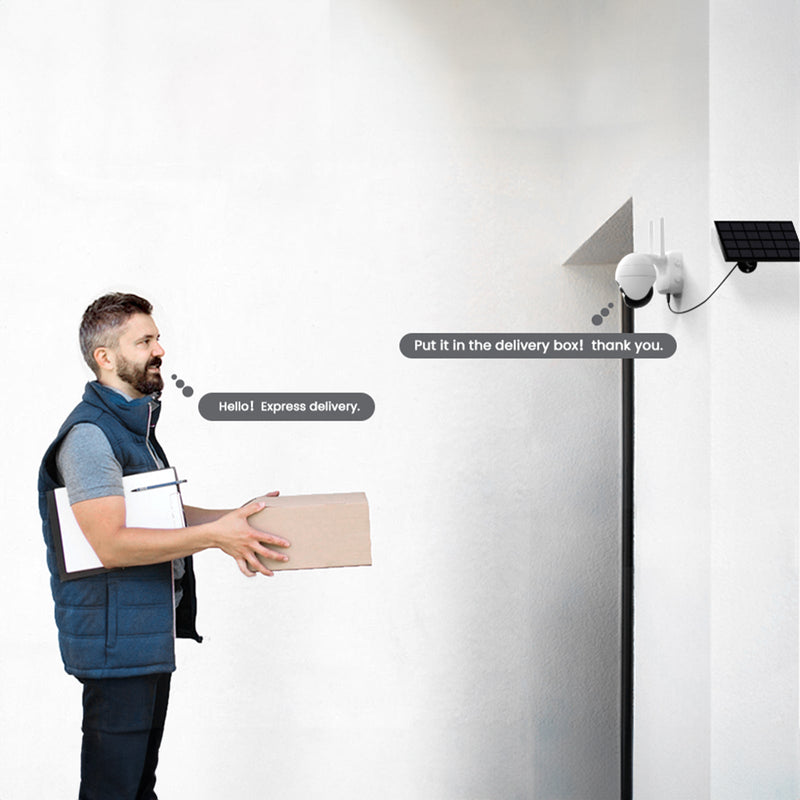
Travellers staying in short-term rentals or temporary accommodation should also pay attention to property security. Portable locks, secure entry systems, and visible outdoor camera coverage can help discourage break-ins or parcel theft. Many homeowners and hosts now use ieGeek video doorbell camera setups to monitor entrances remotely while away from the property.

Nighttime Precautions
Crime risk in London generally increases later in the evening, particularly around nightlife districts, transport interchanges, and isolated side streets. If travelling at night, it is usually safer to remain on well-lit roads, avoid distractions such as wearing headphones at full volume, and plan routes in advance rather than relying on phones while walking. Licensed taxis or recognised transport apps are often safer options after midnight, especially in unfamiliar parts of the city.
For residents, improving visibility around entrances and outdoor areas can also help reduce overnight security concerns. Motion-activated lighting combined with an outdoor camera or solar camera system can make driveways, side gates, and front entrances less attractive to opportunistic intruders. Many London households now prefer wireless outdoor security setups because they are easier to install without major property modifications.
Best Practices for Locals
Residents living in busier boroughs often focus less on avoiding entire districts and more on reducing everyday security vulnerabilities. Keeping bikes securely locked, avoiding visible valuables inside parked vehicles, and paying attention to local community alerts can all help minimise risk. In areas that appear frequently in London criminal news, many residents also rely on neighbourhood messaging groups to share updates about suspicious activity or theft patterns.
Home security has also become a growing priority across many London neighbourhoods, including parts of East London and densely populated central boroughs. Systems such as ieGeek 4G security camera setups allow homeowners to monitor entrances, gardens, or garages remotely even in locations where WiFi coverage may be weaker. Visible security measures alone can often act as a deterrent against opportunistic crime around residential properties.
FAQs
What are the most dangerous neighbourhoods in London?
Areas frequently mentioned among london worst neighborhoods include parts of Westminster, Camden, Hackney, and certain zones in East London with higher reported theft or violent crime rates. However, crime is usually concentrated in specific hotspots rather than entire boroughs. Many residential streets within these areas remain relatively safe.
How do crime rates in London compare to other cities?
London experiences higher overall crime volumes than many UK cities due to its size and population density, particularly for theft and phone snatching. However, compared with other major global capitals, many parts of London remain relatively safe for residents and tourists when normal precautions are taken.
Are there haunted places in London that are also crime hotspots?
Some haunted places in London, particularly older alleyways or historic districts, are located in central areas with heavier nightlife and tourism activity. However, there is no direct link between paranormal reputation and higher crime rates. Most safety concerns in these areas relate to crowds, theft, or late-night activity rather than the locations themselves.
Are there safe areas to live in London?
Yes. Several boroughs are regularly considered among London's safest boroughs, including Richmond upon Thames, Kingston, and parts of outer London with lower population density and quieter residential streets. Safety often depends more on the specific neighbourhood and transport area than the borough overall.
How to avoid getting mugged in London?
Avoid displaying phones or valuables openly in crowded areas, especially near transport hubs and nightlife districts. Staying aware of surroundings, avoiding isolated routes late at night, and using secure accommodation with visible outdoor camera or wireless security camera systems can also help reduce risk. Many London homeowners now use smart security cameras such as ieGeek outdoor camera setups for additional peace of mind.
Conclusion
Staying secure across London hinges on proper awareness and practical preparedness amid uneven safety conditions across boroughs. The capital’s worst neighbourhoods carry notable risks, yet plenty of London's safest boroughs offer peaceful living and travel experiences. Simple precautions such as staying aware in crowded areas, securing your property properly, and using reliable home monitoring tools like ieGeek wireless security cameras or outdoor camera systems can help residents and visitors feel more confident navigating the capital. In practice, awareness and preparation usually matter far more than postcode stereotypes alone.
Author Intro
|
|
Developed by the ieGeek content team, combining hands-on experience with smart devices and insights into real user needs. ieGeek is widely known for smart security, our solutions are also designed for a variety of real-life scenarios, including travel, outdoor monitoring, pet care, and family safety. We focus on delivering simple, dependable solutions that fit seamlessly into daily life. |