

A garden shed can be home to some valuable gear, from bikes and tools to gardening kit. Yet sheds are often tucked away at the end of the garden, making them a common target for theft. So measures such as stronger locks, alarms, lighting, and security cameras are well worth considering.
The best way to secure a shed depends on what you keep inside, where it's located, and whether you have access to Wi-Fi, mains power, or mobile coverage. This guide explores the most effective security options, how to choose the right combination for your setup, and where to place each device for the best protection.

Key Takeaways
- Locks, alarms, lighting, and cameras each play a different role, so a useful shed security setup usually combines more than one layer of protection.
- Sheds located farther from the house may benefit from remote alerts or app-based monitoring, as a siren alone can be easy to miss indoors.
- Wi-Fi and power availability influence your camera choice: solar-powered models can reduce wiring, while 4G cameras are useful for areas beyond the reach of home Wi-Fi.
- Door and window sensors work best when fitted correctly and tested to ensure that movement triggers an alert.
- Camera placement can make a difference. Monitoring both the shed entrance and the approach gives more context than filming the door alone.
- Regular maintenance of lenses, sensors, solar panels, alerts and recorded footage helps keep the system performing reliably when you need it most.
Which Security Systems Work Best for a Shed?
No single device can protect against every risk. Locks help prevent unauthorised entry, alarms alert you to potential break-ins, lighting increases visibility, and cameras provide remote monitoring.
| Security System Type | Primary Function | Best Used For | Main Limitation |
|---|---|---|---|
| Security lighting | Improves visibility and deters unwanted visitors | Dark entrances and garden paths | Does not physically prevent entry |
| Shed alarm | Detects opening or movement | Doors, windows and enclosed sheds | Provides limited information about what caused the alert |
| Outdoor security camera | Provides video monitoring and alerts | Entrances, paths and nearby garden areas | Needs suitable power and network coverage |
| Locks and physical security | Helps resist forced entry | Doors, windows and valuable equipment storage | Does not provide remote alerts or footage |
Security Lighting and Deterrence
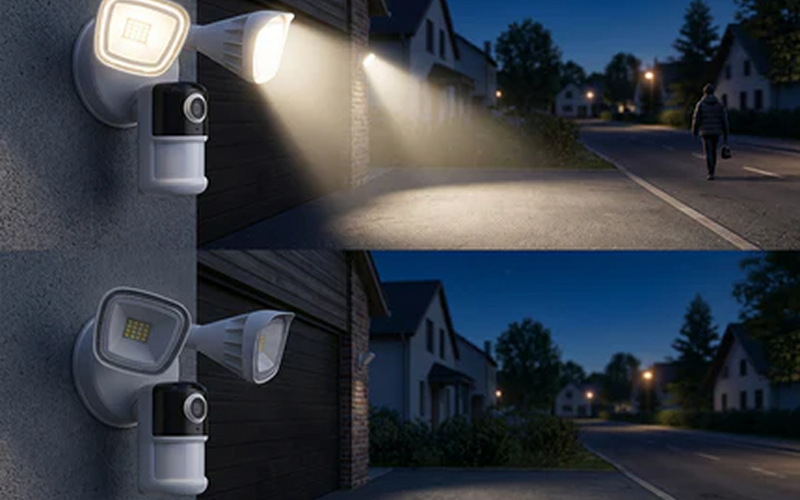
A dark shed entrance or side passage can make suspicious activity difficult to spot from the house. Motion-activated lighting helps by instantly lighting up the area when someone approaches.
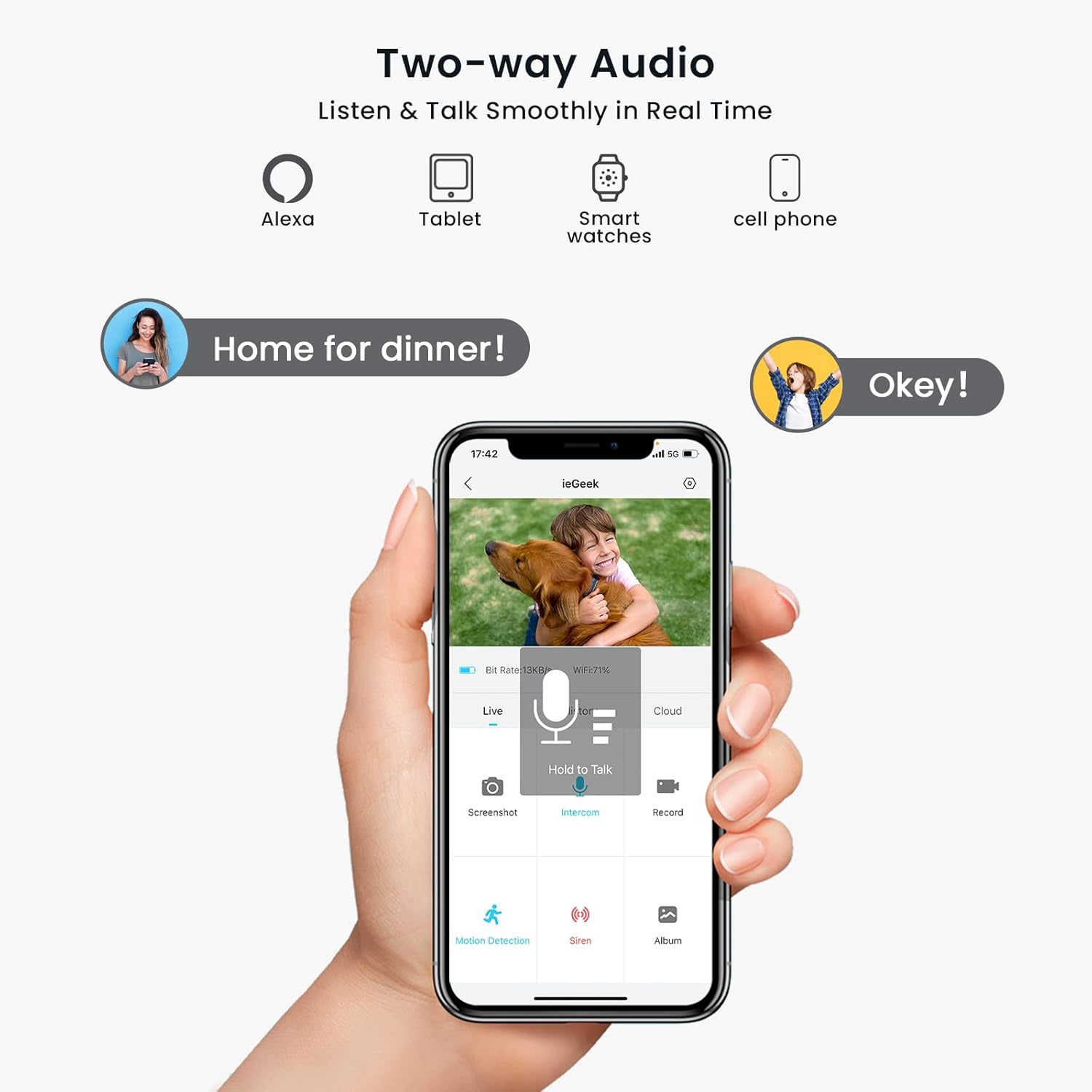
The ieGeek ZS-GQ4 floodlight camera combines a powerful built-in spotlight with advanced monitoring features, including 5MP video, PTZ coverage, colour night vision, AI detection, two-way audio, and siren. Installed near a shed entrance or side access route, it can improve visibility while also providing alerts and an audible warning if suspicious activity is detected.
This type of setup is especially useful where access to the shed is naturally dark. A shed reached via a narrow side passage may benefit more from motion-activated lighting than one located beside a well-lit patio.
Shed Alarm Systems
A shed security alarm adds a warning when a door or window is opened or movement is detected inside. Standalone models may sound only at the shed, while connected systems can also send a notification to your phone.
Distance matters. A small siren at the far end of a long garden could go unnoticed indoors, particularly overnight. In that situation, an app alert or camera notification gives you another way to know something has happened.
Outdoor Security Cameras
A camera is particularly useful when the shed is difficult to see from the house. Footage can show whether movement came from a family member, a wandering fox or a stranger approaching.
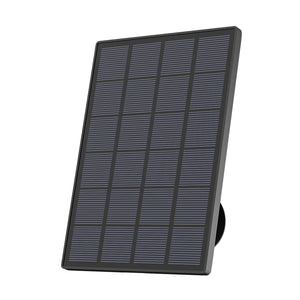
If home Wi-Fi reaches the shed but running a mains cable across the garden would be inconvenient, a battery-powered camera with solar charging can make installation much easier.
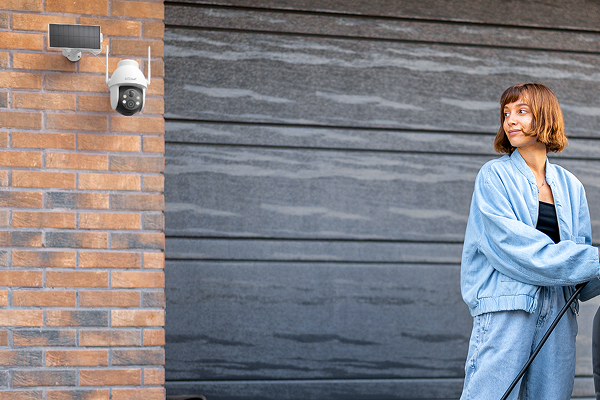
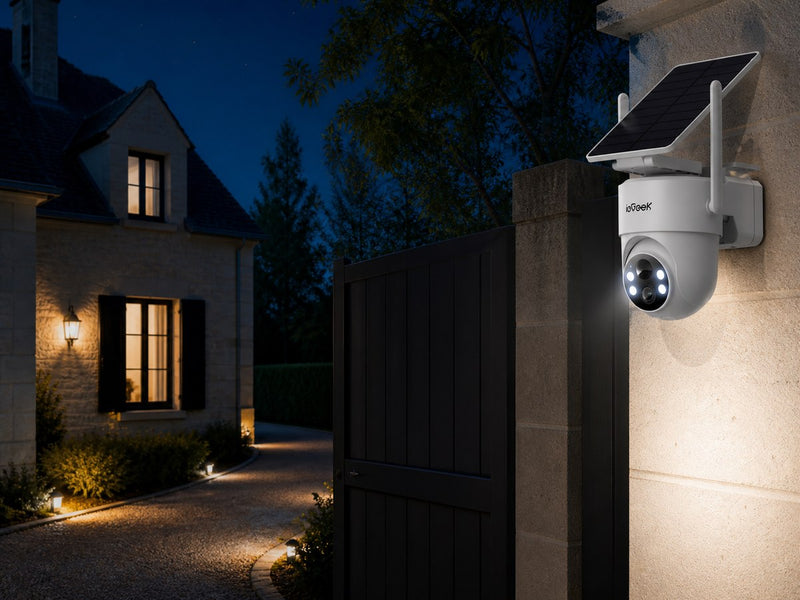
The ieGeek ZS-GX4S 5MP solar security camera uses a 9000mAh rechargeable battery and a 3W solar panel. It connects through 2.4GHz Wi-Fi and supports remote PTZ movement up to 355° horizontally and 120° vertically. This makes it suitable for a shed entrance, nearby path or larger garden area where the viewing direction may need to change.
How to Choose a Shed Security System
Different security measures solve different problems. The best way to secure garden sheds depends on what you store, where the shed is located, and how you want to monitor them.
Match Security to Shed Contents
Every shed should have secure doors and locks, but the value and type of items stored inside can affect how much additional protection is worthwhile. Bikes, cordless tools and expensive garden machinery may justify adding:
- stronger door and hinge protection;
- an alarm or entry sensor;
- lighting around dark approaches;
- a security camera covering the entrance and access route.
If a side gate is the main route into the garden, monitoring that approach can be just as important as watching the shed door itself.
Check Wi-Fi and Power
Start by checking whether Wi-Fi reaches the shed and whether mains power is available. If the Wi-Fi signal is reliable but there is no nearby socket, a battery-powered camera with solar charging can avoid extra wiring.
If the shed is also outside home Wi-Fi coverage, a 4G camera may be more suitable. The ieGeek S11 4G LTE camera connects through a mobile network and uses battery power with solar charging. Its PTZ control allows the viewing direction to be adjusted remotely, helping cover both the shed entrance and the surrounding area.
Always check the Wi-Fi or mobile signal at the intended mounting point before installation. A strong signal in the kitchen does not necessarily mean much at the bottom of the garden.
Consider Monitoring Needs
Some households simply want an alert when somebody approaches the shed. Others need footage that can be reviewed after an incident.
A motion alert may be enough if the shed is visible from the kitchen and used regularly. Remote viewing becomes more valuable when the building sits behind fencing, beside a rear lane or beyond the usual line of sight from the house.
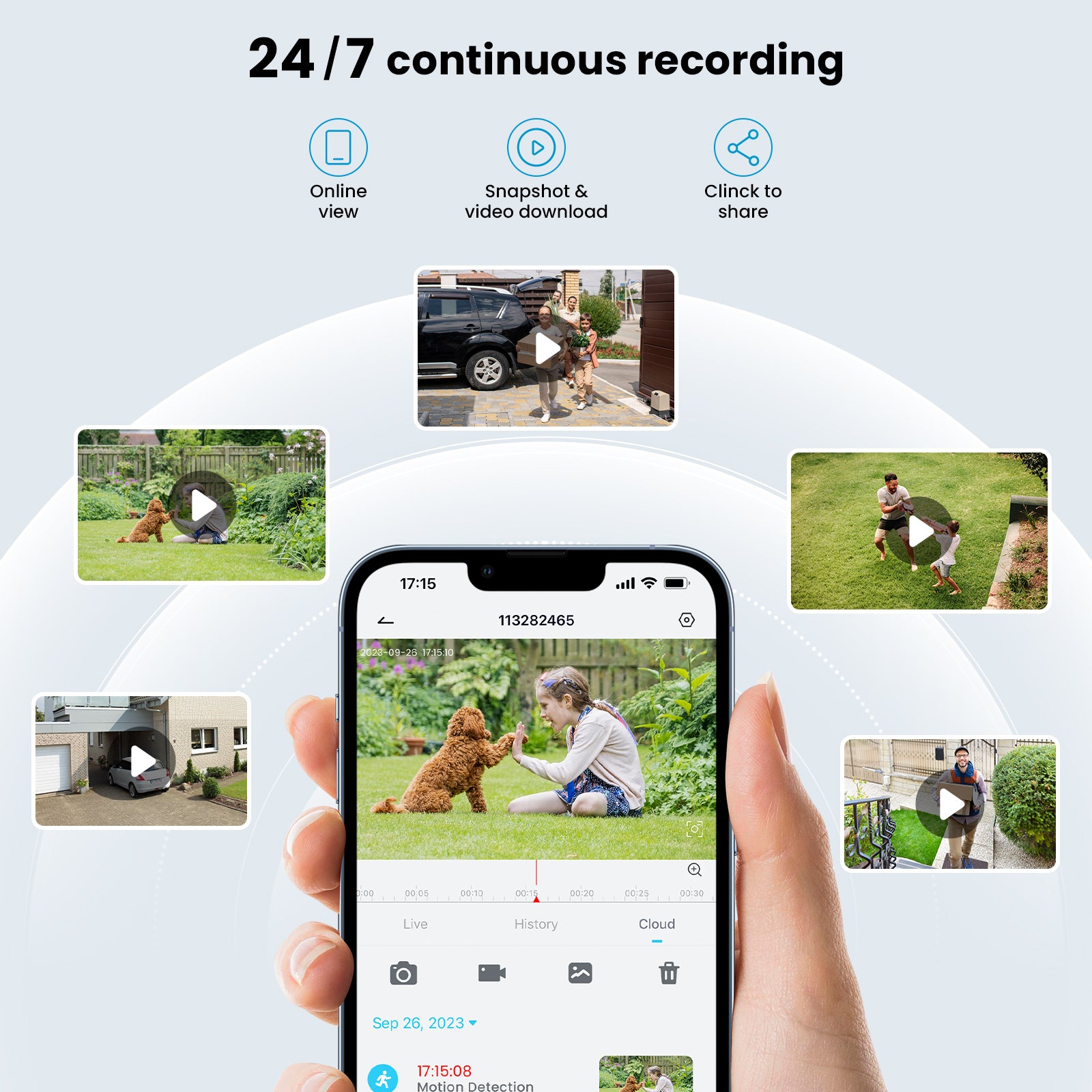
Recording expectations also need to be considered. Motion triggered cameras capture detected activity rather than provide continuous footage. If you need a complete timeline, continuous recording security cameras may be more suitable.
How to Set Up a Security System for a Shed
Once you have chosen the right devices, begin with the main entry points before adding sensors, lighting and cameras around them.
Secure Doors and Windows
A strong hasp and staple or suitable shed lock fixed into solid timber can help create a more secure garden shed than one attached to a thin door panel. If the hinges are exposed, security screws or hinge bolts can make them harder to remove from the outside.
Window locks can be added to accessible openings, while security film, mesh or internal bars can provide another barrier where the glass is easy to reach.
Install Entry Sensors
A typical contact sensor has one part fitted to the door or window and the other to the fixed frame. The two pieces sit closely together when the opening is shut, so separating them triggers the alert.
Positioning the sensor near the opening edge can help it respond quickly. Once installed, open the door or window several times to confirm that the alert works consistently.
Add Security Lighting
Install motion-activated lighting above or beside the shed entrance, with the sensor facing the route people normally use to approach it. A side gate or narrow passage may need separate coverage if it provides another way into the garden.
Aim the light towards the entrance and surrounding approach area to improve visibility without shining it directly into neighbouring windows.
Position Security Cameras
A camera position that shows both the shed entrance and part of the approach usually provides more useful footage than one pointed directly at the door. Mounting it slightly away from the entrance gives more context around anyone arriving or leaving. If the view extends beyond your property, check whether you need a CCTV sign on your house.
Keep branches, fences, and roof edges out of the main view where possible. PTZ cameras also need enough clearance to rotate without nearby objects blocking the lens.
Connect and Test the System
Check the Wi-Fi or mobile signal again once the camera is in its final position. Then walk the usual route from the garden entrance to the shed and open the door as you normally would.
Confirm that the lights activate, the sensors send alerts, and the camera captures the approach clearly. Repeat the test after dark to make sure that lighting and night vision still cover the right area.
How to Maintain a Garden Shed Security System
Outdoor security equipment is exposed to rain, dust, insects, and enthusiastic plant growth. Occasional maintenance helps keep the system useful, especially for outdoor monitoring cameras in different weather conditions.
Keep Devices Clear
Dust, spider webs, and overgrown plants can gradually obstruct camera lenses and sensors. Clean the devices occasionally and trim back nearby vegetation to keep the view clear. Also, a solar panel hidden beneath leaves is unlikely to contribute much beyond moral support.
Test Alerts and Recording
Battery levels, Wi-Fi changes, app permissions, and altered settings can affect performance over time. Trigger the system occasionally and confirm that alerts still reach your phone.
Reviewing a sample of recorded footage also helps confirm that the entrance remains visible during the day and at night.
FAQ
Do shed alarms deter thieves?
A shed alarm may discourage some intruders and can draw attention when someone attempts to gain access.
It works best as an extra layer of security rather than a replacement for strong locks and other physical protection.
Do shed security systems need a subscription?
Not necessarily. Basic alarms, lighting and cameras with local storage can often work without a monthly fee. However, cloud storage or some additional features may require an ongoing subscription.
Is a shed alarm worth having with a good lock?
Yes, a lock helps resist entry, while an alarm can warn you if someone interferes with the shed. The two measures perform different roles and work more effectively together.
What should not be stored in an outdoor shed?
Items that can be damaged by moisture or temperature changes are generally better kept indoors.
These can include important documents, certain electronics, medicines, and irreplaceable valuables. Fuel, chemicals and other hazardous materials also require suitable storage.
Does home insurance cover bikes and tools kept in a shed?
It depends on your policy.
Some UK home insurance policies cover belongings stored in sheds or outbuildings, but limits and security requirements can vary. High-value bikes or tools may need to be listed separately or covered under an additional policy.
Conclusion
A practical shed security system starts with solid doors, strong locks, and secured windows. Alarms, lighting, and cameras can then be added where they solve a specific problem.
A shed close to the house may work well with Wi-Fi and solar-powered monitoring, while a remote outbuilding may need 4G connectivity instead. The best setup is the one that reflects the value of the contents, the routes into the garden, and the power and network conditions around the shed.
About the Author
 |
Created by the ieGeek editorial team, drawing on hands-on product experience and ongoing research in Smart Security solutions. As a brand focused on simple, reliable, and affordable wireless security systems, ieGeek combines practical insights with real-world use cases to help users make informed decisions. |