



Key Takeaways
-
The right IP rating acts like a raincoat for your outdoor monitoring cameras. For most brick walls, an IP65 rating handles blowing dust and heavy UK rain.
-
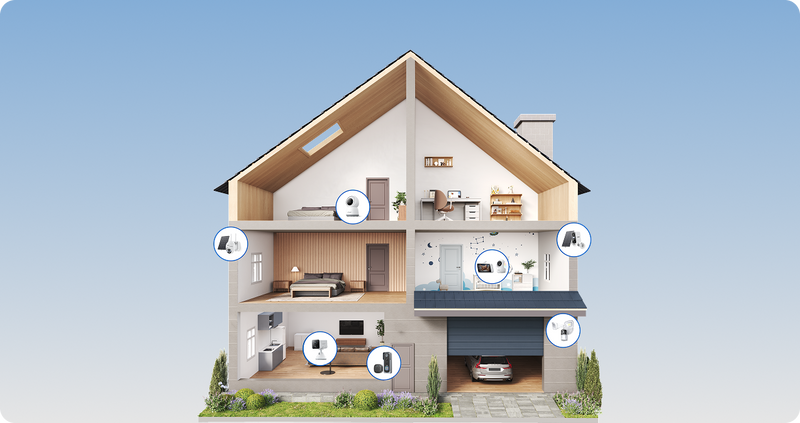
A great outdoor wireless CCTV camera system needs crisp video, smart alerts, and reliable power to capture fine details.
-
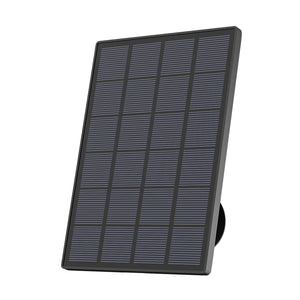
Freezing January mornings drain batteries fast. Adding a small solar panel stops you from climbing wobbly ladders in the cold to recharge them.
-
Burglars love the front entrance. Official UK crime surveys show that most intruders target doors first, so this busy spot needs your toughest defense.
-
Wipe the camera lens every few weeks. Clean glass spots trouble long before it happens.

Decoding IP Ratings for Your Outdoor Camera
IP ratings sound like confusing jargon, but the idea is simple. The official IEC 60529 standard tests how well a gadget blocks dirt and liquids. The first digit grades dust protection, while the second measures water resistance.
Finding the Right UK Weather Rating
For most British homes, an IP65 outdoor camera is your best starting point. Picture a harsh autumn storm whipping wet leaves and rain against your brickwork. The camera can withstand high-pressure water jets and is dust-tight thanks to its IP65 rating.
To help you decide, consider these features:
| Rating | Dust Defense | Water Defense | Best Spot |
| IP65 | Fully dust-tight | Resists normal water jets | Porches, walls, driveways |
| IP66 | Fully dust-tight | Fights heavy water jets | Exposed garden fences |
| IP67 | Fully dust-tight | Survives brief underwater dips | High flood-risk areas |
So, what is the bottom line? For a typical setup over your front door or gate, IP65 is perfect. When weighing IP65 vs IP67, the choice comes down to whether your wireless or solar-powered surveillance system will ever be exposed to standing water. Just tuck the camera under the roof eaves to avoid pooling water.
Essential Features for the Best Outdoor Monitoring Cameras
Building Your Smart Outdoor Wireless CCTV Camera System
-
You need crisp resolution. You want to read a car number plate or see a face clearly, not just stare at a blurry shadow by your garage.
-
You will benefit from colour night vision. This lets you see the colour of an intruder’s jacket, even in pitch-black conditions.
-
You should look for smart AI detection. Your phone will ping when a real person steps onto your driveway, ignoring the waving trees or the neighbor’s cat.
-
You can easily use two-way audio. Speak from your phone to greet a delivery driver or shout at someone snooping around.
-
You will want flexible video storage. Choose between a local memory card or secure cloud storage to save your recorded clips.
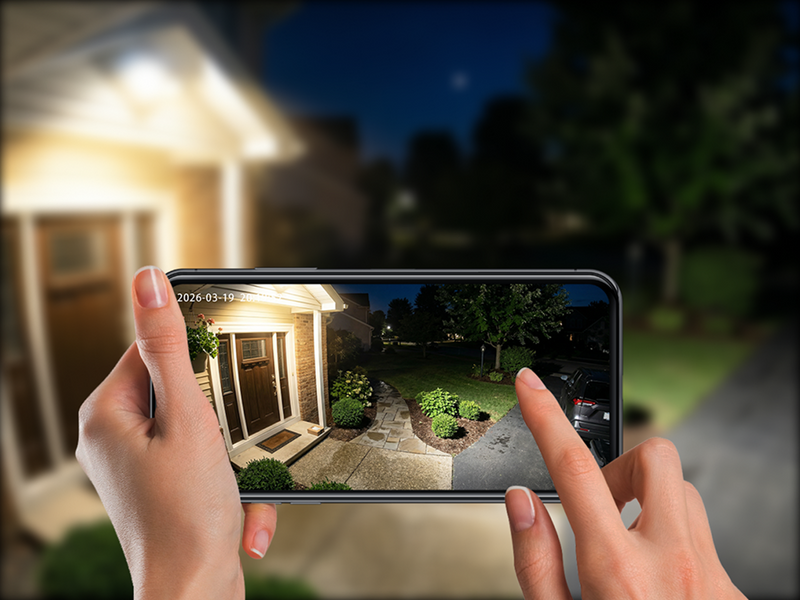
When you are sitting in your office, miles away, your phone buzzes with an alert. You check the app and see a courier holding your new parcel. You press the microphone button and ask him to hide the box behind the side gate. A modern outdoor camera security wireless system makes daily life much easier.
If you rent your home or hate DIY projects, wire-free designs are a perfect match. Brands like ieGeek focus on app controls, solar charging, and battery power. You can put the camera up without drilling deep holes or paying an expensive electrician.

Beating the Winter: Powering Your Outdoor Monitoring Cameras
British weather is rarely dramatic, but it is stubbornly persistent. A week of endless drizzle, a sharp frosty morning, and the sun setting at 4 p.m. will test any outdoor gadget.
During the winter, batteries feel weaker. Why? Freezing temperatures slow down the chemical reactions inside, which can drain standard lithium batteries up to 30% faster. At the same time, short daylight hours make solar charging much harder.
That is why you must treat waterproofing and power as a team. A tough IP rating blocks the rain and dust. However, steady power ensures the camera wakes up to record a video. Simply put, a camera that survives a storm but goes dead when someone opens your gate is useless.
Wide Coverage with a Solar-Powered Security Camera
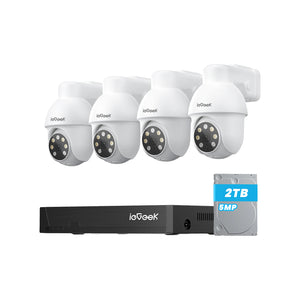
If you want to monitor a wide area without climbing a ladder every month to recharge batteries, models like the ieGeek ZS-GX4S with Panel 5MP handle the job nicely. It shoots sharp 5MP video and rotates to capture different angles.
Best of all, the included solar panel keeps the large battery topped up naturally. On a freezing January evening, the patio is slick with icy rain. You have a long, slow-smoked cut of meat cooking on your backyard barbecue, and you want to check the smoker’s temperature without stepping into the biting wind.
 Wide-angle lenses and colour night vision make it simple to keep an eye on your back gate from your cozy living room. To get the best results, follow these easy rules:
-
Place the solar panel in full sunlight, far from the deep shadows of evergreen trees.
-
Point the camera lens where people walk, like the main driveway, turn or path.
-
Shrink your motion zones in the mobile app. Blocking out waving tree branches stops false alarms from wasting your battery.
Compact Outdoor Camera Security Wireless for Hidden Corners
-
A side garden gate where electrical cables are too expensive.
-
A detached garage for storing valuable tools.
-
A rented house where you need an easy, removable security setup without drilling deep holes.
Defending the Front Door with Outdoor Monitoring Cameras
Smart Placement for an Outdoor Camera Setup
-
You should try to find natural shelter. Tuck the camera under a porch roof or a door canopy to shield it from driving rain.
-
You must carefully watch the lighting. Always test your view at night. A bright porch bulb can reflect off wet brickwork and wash out a visitor’s face.
-
It is crucial to check the signal. Before you drill any holes, hold your phone right by the door to make sure your Wi-Fi reaches through the thick front walls.
-
Make sure you dodge the glare. Avoid pointing the lens at the setting afternoon sun, which will blind the video sensor.
The front porch is where a smart outdoor wireless CCTV camera system delivers the best daily value. Whether you are telling a courier to leave a box in the shed or checking who rang the bell at 9 p.m., a well-placed camera makes everyday life much less stressful.

Simple Maintenance for Outdoor Monitoring Cameras
-
You need to wipe the glass regularly. Grab a soft microfiber cloth. Clean the lens and sensor carefully, especially after a dry, dusty spell or a heavy autumn storm.
-
You should remember to prune the bushes. Look at your app’s motion zones as the seasons change. A fast-growing ivy branch or hanging holiday decorations can block the view and trigger annoying false alerts.
-
Make sure you check the sun. Make sure strong winds have not tilted your solar panel away from daylight or pushed it into the shade.
-
It is important to test tech. Give the two-way audio a quick sound check. Also, verify that your memory card or cloud account is saving video clips properly.
Weatherproofing is an ongoing job. Over time, plastic wall brackets can rattle loose in the wind, and rubber weather seals can dry out. Doing a quick ladder check before the bitter winter weather sets in saves you from a broken camera later.
FAQs
What does an IP65 rating mean for my outdoor monitoring cameras?
Is a wireless IP66 outdoor security camera better than an IP65 one?
Will cold weather affect the battery life of my outdoor wireless CCTV camera system?
Should I place my outdoor camera under a roof overhang?
Will heavy fog trigger false alarms on my outdoor camera?
Conclusion
So, take a quick walk around your property. Look closely for hidden blind spots near the garage or side fence. Map out your vulnerable areas, secure your setup, and gain real peace of mind before the next dark winter storm rolls in.
Author Intro
 |
Developed by the ieGeek content team, combining hands-on experience with smart devices and insights into real user needs. ieGeek is widely known for smart security, our solutions are also designed for a variety of real-life scenarios, including travel, outdoor monitoring, pet care, and family safety. We focus on delivering simple, dependable solutions that fit seamlessly into daily life. |