

Keeping your home secure starts with a few practical habits. Strong doors and windows slow down forced entry, a consistent lock-up routine removes easy opportunities, and well-positioned lighting, alarms and cameras help you notice activity around the property. If you’re wondering how to secure your home, start with the weak points someone could reach quickly rather than buying equipment at random.
The checklist below is written for UK houses and flats. It covers door locks and window security, gardens, sheds, driveways and practical steps for protecting the property while you are away.

Key Takeaways
-
Lock every accessible door and window, even when leaving for only a few minutes. On multi-point uPVC doors, lift the handle, turn the key and remove it.
-
Prioritise the front and back doors, ground-floor windows, patio doors, side gates and any garage or shed containing tools.
-
Keep house and car keys away from doors, windows and letterboxes, and never hide a spare key under a doormat or plant pot.
-
Set indoor lights to switch on and off at realistic times, pause deliveries and ask a trusted neighbour to collect post so the property does not appear empty.
-
Position cameras to cover entrances and approach routes while capturing no more of the street or neighbouring property than necessary.
-
Test Wi-Fi strength, notifications, night footage and camera angles at the intended mounting point before drilling holes.
Home Security Checklist: What to Check First
Work through these checks to see which jobs need attention first.
|
Area |
What to Check |
Action Needed |
Priority |
|
Front and back doors |
Lock type, frame movement, exposed hinges, letterbox reach and glazing |
Double-lock the door; reinforce weak frames; upgrade vulnerable cylinders or glazing |
High |
|
Ground-floor windows |
Working locks, damaged catches and nearby climbing aids |
Lock every accessible window; add suitable locks, restrictors, laminated glass or security film where needed |
High |
|
Patio doors |
Anti-lift protection, lock engagement and frame condition |
Fit or check an anti-lift device on sliding doors and use the full locking system |
High |
|
House and car keys |
Keys visible or reachable near doors and windows |
Store them out of sight; use a signal-blocking pouch for keyless car fobs |
High |
|
Side and rear access |
Gate lock, fence gaps, overgrown cover and dark routes |
Lock the gate; repair boundaries; improve controlled lighting |
High |
|
Garage and shed |
Door, padlock, hinges, windows and visible contents |
Use robust locks and concealed fixings; secure tools and bikes to an anchor |
High |
|
Alarm and sensors |
Coverage, battery status, entry delay and user codes |
Test the system and replace weak batteries; remove old users or codes |
Medium |
|
Cameras and lights |
View, blind spots, glare, connectivity and storage |
Test the live view and recording; redirect light and mask unnecessary areas |
Medium |
|
Holiday routine |
Timers, post, parcels, bins and emergency contacts |
Arrange timers, delivery holds and a trusted local contact |
Medium |
A secure home starts with strong entry points and fewer blind spots. Check that doors and windows are properly locked, keep tools and ladders out of reach, and use home security cameras to monitor entrances, driveways and less visible side access.
How to Secure Your Doors and Windows
Start with a quick check of your locks, frames and accessible windows to see where repairs or upgrades are needed.
Door Locks, Frames and Hinges
Closing a door is not the same as locking it. For a multi-point uPVC door, follow UK police advice to “lift, lock and remove”: lift the handle, turn the key and take it out. Check that the frame, hinges and screws are secure and that exposed fixings cannot be removed from outside. If the euro cylinder projects beyond the handle, ask an accredited locksmith about a correctly sized three-star TS007 replacement. A letterbox guard can also prevent keys or bags from being reached from outside.
Ground-Floor Windows and Patio Doors
Lock ground-floor and other accessible windows whenever the room is unattended. Key-operated locks suit many outward-opening windows, while sash stops and secure opening restrictors can improve protection when ventilating a room, provided they do not obstruct an emergency escape route. Laminated glass or security film may add resistance at especially exposed windows.
Sliding patio doors need more than a working handle. Check that the frame is sound and that an anti-lift device prevents the sliding panel from being raised out of its track. These checks are important when considering how to secure sliding doors. Move bins, ladders and garden furniture away from upper windows so they cannot become climbing aids.

House Keys and Spare Keys
Keep keys out of sight and beyond reach of letterboxes, cat flaps and windows. If a key is missing or its copies cannot be accounted for, replace the relevant lock. Give spare keys to someone you trust or use a security-rated key safe rather than hiding them outside.
How to Protect Your Garden, Garage and Driveway
Good home security advice treats the garden and driveway as part of the home. An unsecured shed can contain valuables as well as tools a burglar could use to break into the house.
Side Gates and Fences
Keep the side gate locked rather than merely latched, and position its fixings so they cannot be unscrewed from the public side. UK police guidance recommends a low front boundary, generally under one metre, to preserve visibility, with higher side and rear boundaries—around 1.8 metres—where appropriate. Lightweight trellis and defensive planting can make climbing harder, but check local planning rules before increasing a boundary’s height.
Trim dense shrubs near doors and windows so they do not provide concealment. The aim is to guide visitors towards the normal entrance while making side and rear routes visible and controlled. In areas that remain difficult to see from the house, outdoor security cameras can provide an additional view of side gates and rear access routes.
Garage Doors and Shed Locks
Inspect the complete door, not just the padlock. Weak hasps, exposed screws, removable hinges and thin timber can fail even when the lock itself is strong. Fit robust hardware suited to the door, protect windows with mesh or grilles where appropriate, and consider a simple contact or vibration alarm.
Keep the door closed between uses so passers-by cannot see bikes, tools or gardening equipment. Before buying new hardware, check that your insurer’s requirements for garages and outbuildings are met.
Outdoor Tools, Ladders and Bicycles
Put away ladders and tools after use; otherwise, they may help someone reach a window or force an entry. Inside a locked shed or garage, chain valuable tools and bicycles to a robust ground or wall anchor. Record serial numbers, take photographs and mark items so they are easier to identify if stolen. Where mains wiring is impractical, a solar security camera can be an option for monitoring outdoor areas.
Do not rely on the outbuilding door alone. A bike secured to an internal anchor remains harder to remove if the outer lock is defeated.
Parked Cars and Visible Valuables
Remove bags, devices, documents and loose property from view, then check the vehicle has actually locked before walking away. If possible, use a locked garage or gated driveway; otherwise, park in a well-lit position without blocking the pavement. A steering-wheel lock adds a visible physical barrier, particularly for a keyless vehicle.
Keep Your Home Secure When You Are Away
Whether you’re out for the evening or away on holiday, a few simple checks can help keep the property secure and make your absence less obvious.
Timed Lights, Post and Parcel Deliveries
Set lamps to operate at times that match your usual routine rather than leaving one light on continuously. A radio timer can add variation, but do not create a rigid pattern that repeats for weeks. Ask Royal Mail about its Keepsafe service for longer trips, pause regular deliveries and redirect parcels to a collection point or trusted neighbour.
Avoid announcing travel dates publicly. Ask someone you trust to collect post, put the bins out on collection day and check for delivery cards or parcels, as a build-up by the door is an obvious sign that nobody is home.
Review Activity Around Your Garden and Driveway
When you are away, unusual activity around the garden or driveway may go unnoticed until you return. Reviewing a longer recording can help you see when someone entered, what they approached and whether anything was moved or damaged.
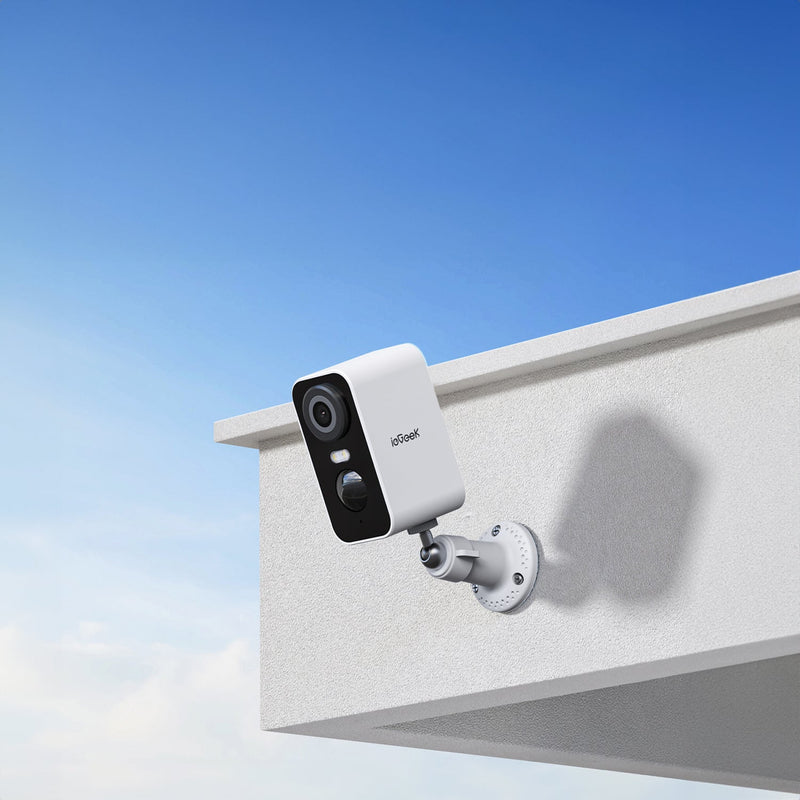
The ieGeek S7 wireless 24/7 recording camera uses AOV technology to record at a low frame rate between events and switch to full-motion recording when activity is detected, giving you a fuller timeline instead of isolated clips. Its 360° tracking helps follow movement across wider outdoor areas, while solar charging and support for up to 256GB of local storage make it suitable for longer periods away. Before travelling, test the storage, playback and 2.4GHz Wi-Fi connection at the final mounting point.

See What Is Happening After Dark
At night, an unlit driveway or garage entrance can conceal activity and leave security footage short of useful detail. Motion-activated lighting improves visibility when someone approaches, making people, vehicles and movements easier to identify while you are away.
The ieGeek ZY-E2 floodlight camera combines a 2,600-lumen floodlight, 5MP video and a 110dB alarm. The floodlight helps the camera record clearer footage of the approach, while the siren can draw attention to an intruder and may deter them. As it is hardwired, arrange installation by a qualified electrician and angle the light downwards to avoid unnecessary glare.
Watch Side Gates and Rear Access
Side gates and rear paths are often hidden from the street and neighbouring homes, so suspicious activity in these areas may be harder for others to notice while you are away. Locking these access points and monitoring the route can provide earlier warning of someone approaching the back of the property.
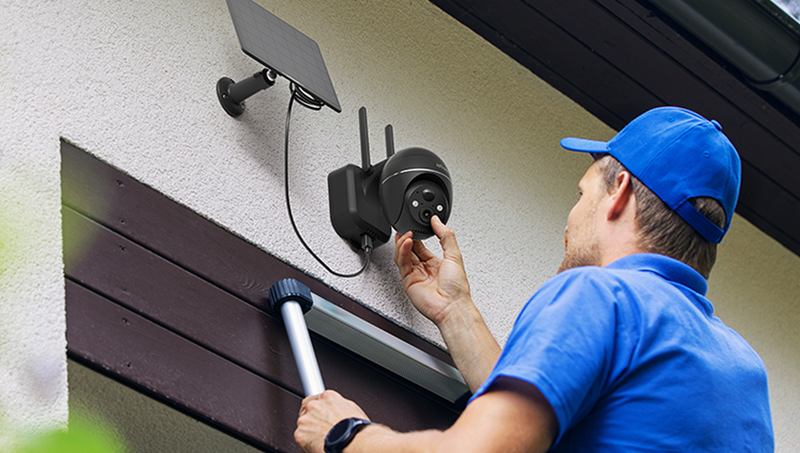
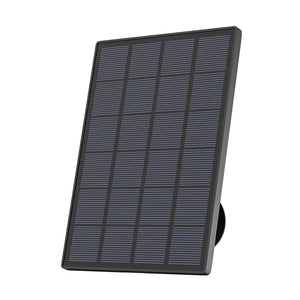
The ieGeek ZS-GX4S 5MP solar security camera helps you keep an eye on these routes with 355° horizontal and 120° vertical movement, plus auto-tracking that follows detected activity across the area. Its 5MP resolution helps retain useful detail, while battery and solar power make it easier to protect side passages or rear gardens where mains wiring is inconvenient. Before leaving, check that the gate is locked and test the alerts, viewing angle and 2.4GHz Wi-Fi connection, as well as whether the solar panel receives enough daylight to maintain the battery charge.
Neighbours and Emergency Contacts
Give a trusted neighbour or nearby relative a way to contact you and clear instructions about what they may do. They might move post, check a gate after bad weather or confirm whether an alert has an innocent explanation. Do not ask them to confront an unknown person.
Keep separate contact details for the alarm company, property manager, insurer and a tradesperson who can secure a broken door or window. In the UK, call 999 when a crime is in progress or someone is in immediate danger; use 101 or the relevant police online service for non-emergency reporting.

Where Should You Install Security Equipment?
Put equipment where it can help most: along the routes someone would use to reach your doors and windows. Aim for a clear view without recording more than you need.
Cameras Facing Entrances and Approach Routes
Install cameras where they can capture both the person and the route used to reach your home. Useful positions include above the front door, overlooking the back door, beside a side gate and at the corner of a garage facing the driveway. For locations where drilling is unsuitable, mounting a security camera without screws may be an alternative. Mount each camera high enough to reduce tampering, but angle it low enough to record faces rather than only the tops of heads. Test day and night footage, and follow ICO home CCTV guidance by using privacy masks or tighter angles to avoid unnecessary recording beyond your boundary. If you record people beyond your boundary, display a clear CCTV notice and follow the applicable data protection rules.
Outdoor Lights Without Glare or Light Spill
Place lights high enough to resist interference and angle them down towards doors, paths and parking areas. Use the lowest output that gives a clear view, shield the sides where necessary and set a short, practical activation period. Check for glare from the pavement after dark, and ask neighbours whether the light shines into their windows.
Avoid pointing a bright light directly at a camera lens, as this can wash out faces and number plates. Where a camera and light share a location, run several night tests with a person approaching from different directions.
Alarm Sensors on Doors and Accessible Windows
Fit contact sensors to the front and back doors, patio doors and ground-floor windows, as these are the most likely entry points. Upper-floor windows should also be covered when they can be reached from a flat roof, extension, wall or unsecured ladder. Position the sensor and magnet so they separate as soon as the door or window opens.
Motion sensors can provide a second layer of protection in hallways, landings and other routes leading away from an entrance. After installation, use the system’s test mode and open each protected door or window to confirm that the correct alert and zone appear.
FAQ
What does it cost to install a home security system?
Costs depend on the property, equipment and installation method. In the UK, a basic DIY alarm may cost around £200–£300, while a professionally installed wireless alarm system may cost around £500–£1,200. Compare installation, maintenance and monitoring fees before choosing.
What home security system has no monthly fee?
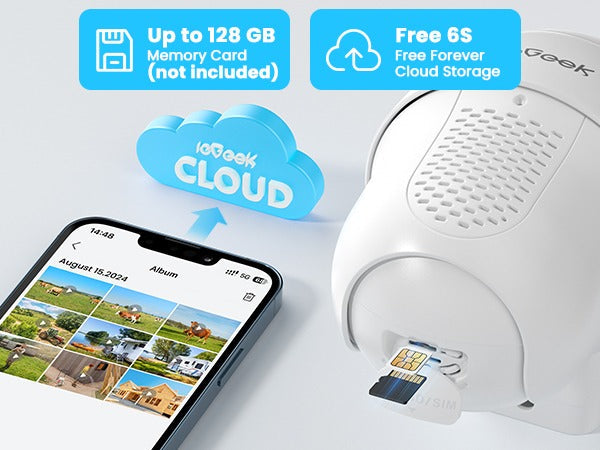
Bells-only alarms and self-monitored systems with local storage can operate without a monthly fee. Cloud history, mobile network backup, and professional monitoring may still require a subscription, so check which functions remain available without a plan. For camera monitoring, the ieGeek S7 supports local microSD storage of up to 256GB, allowing footage to be kept locally rather than relying entirely on paid cloud storage.
Can a home security system work without Wi-Fi?
Some home security systems can operate without Wi-Fi by using wired connections, local radio signals or a mobile network. For properties without broadband, the ieGeek ZY-G4 connects through a 4G SIM card, allowing remote monitoring in garages, farms and other off-grid locations with suitable mobile coverage. A compatible mobile data plan is required.
Can pets trigger a home security alarm?
A standard motion sensor may be triggered when a pet passes close to it, jumps onto furniture or moves on stairs. Pet-immune sensors can reduce false alarms when installed at the correct height, but they are not completely foolproof. Position motion sensors away from common pet routes and complete a walk test before relying on the system.
How can renters improve home security?
Renters can use removable contact alarms, battery-powered doorbells or cameras, timer plugs, window restrictors and a portable safe without making major structural changes. Ask the landlord or managing agent before drilling, changing locks, altering a flat entrance door or installing equipment in communal areas.
Conclusion
When deciding how to secure your home, tackle the basics first: lock and reinforce entry points, control side and rear access, secure tools and vehicles, then add alarms, lighting and cameras where they solve a specific gap. A short monthly check helps you spot problems with locks, batteries, storage and notifications before you need to rely on them.
No single camera or alarm replaces a sound door, a locked window and a reliable lock-up routine. Used together, these measures provide stronger protection and a clearer record when something unusual happens.
About the Author
 |
Developed by the ieGeek content team, combining hands-on experience with smart devices and insights into real user needs. ieGeek is widely known for smart security, our solutions are also designed for a variety of real-life scenarios, including travel, outdoor monitoring, pet care, and family safety. We focus on delivering simple, dependable solutions that fit seamlessly into daily life. |