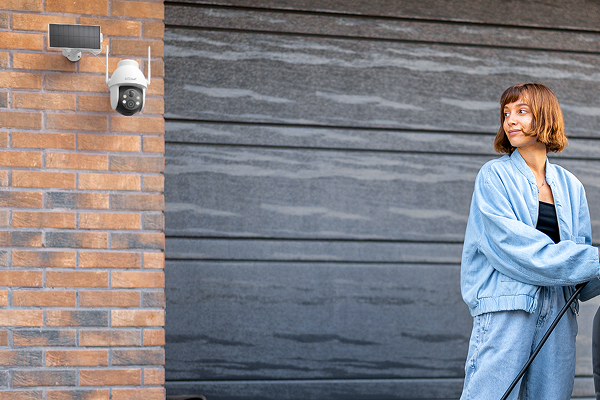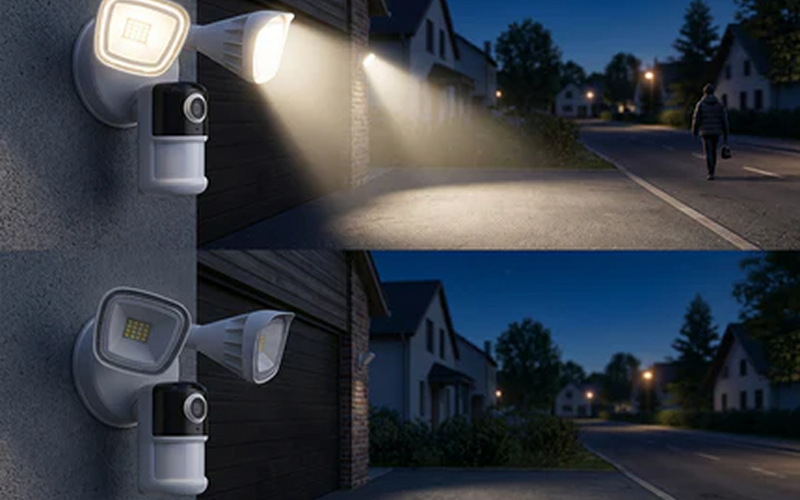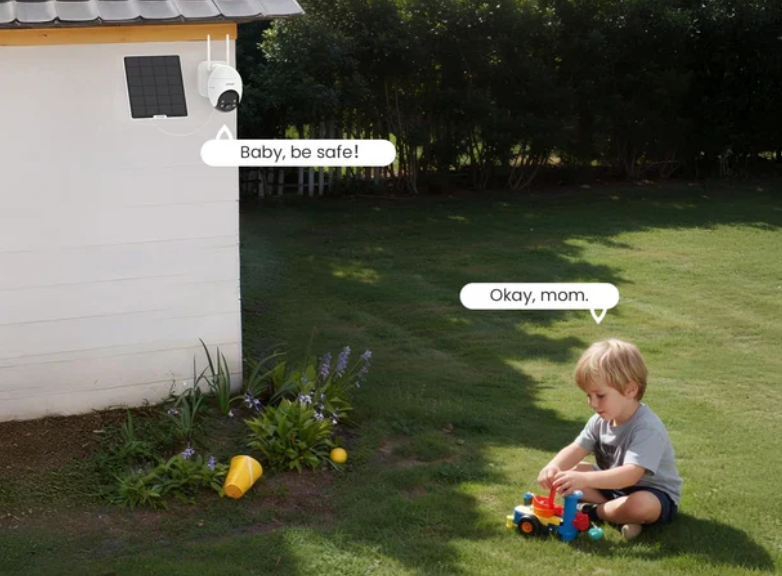


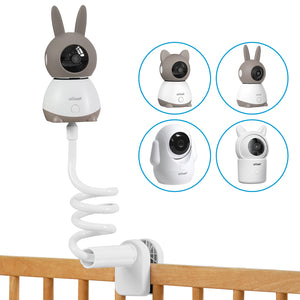
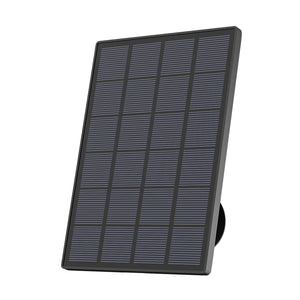


Night-time security has become a growing concern for UK homeowners, particularly as burglary, vehicle crime, and package theft increasingly occur during darker evening hours. Concerns are especially common among residents living in or travelling through densely populated urban areas, including some of the most dangerous parts of London, where late-night theft and opportunistic crime are more frequently discussed in local news reporting. As a result, demand for reliable night vision camera systems has grown rapidly, especially among households looking to monitor driveways, entrances, gardens, and detached garages more effectively. However, when searching for the ideal setup, consumers often find themselves overwhelmed by technical jargon.
This comprehensive guide cuts through the noise to highlight the 5 essential features you must consider before purchasing a night-time vision camera. Whether you are looking for an infrared security camera to monitor a dark alleyway or exploring an eco-friendly solar-powered security camera with night vision UK weather can sustain, understanding these core technologies will save you time and money. Read on to discover how to transform your overnight home security from a grainy guessing game into a crystal-clear, proactive defence system.

Understanding Night Vision Technology
Night vision technology is the foundation of every modern night vision camera, allowing homeowners to monitor outdoor and indoor spaces even in complete darkness. This section breaks down exactly how night-time imaging functions, helping you decode technical specifications so you can choose the right system for your property's specific layout.
What Night Vision Is and Why It Matters
Night vision is the camera’s ability to produce a clear image in low light or complete darkness. In-home security, which usually relies on an infrared security camera or an IR night vision camera, uses invisible infrared light to illuminate the scene. Some models use low-light sensors instead of, or alongside, infrared, while others add colour night vision for better detail. The real homeowners' need is not technical jargon, but visibility that works when the streetlights are weak, or the weather makes everything look darker.
Types of Night Vision Used in Security Cameras
There are several types of night vision technology used in modern night vision camera systems, each suited to different environments and security needs. The most common is infrared (IR) night vision, which uses IR LEDs to illuminate areas invisibly and is widely used in residential CCTV systems. This type is reliable, energy-efficient, and effective for general home security monitoring.
Another increasingly popular option is enhanced low-light or full-colour night vision, which uses larger sensors and image processing to retain colour details in dim lighting. This is particularly useful for identifying clothing, vehicles, or facial features. Hybrid systems that switch between infrared and colour modes offer a more flexible solution, making them suitable for varied UK environments where lighting conditions change frequently throughout the night.
Feature 1: Infrared Capabilities
Infrared capability is the foundation of any reliable night vision camera, especially in UK homes where complete darkness is common during evenings. A strong night vision security camera relies on infrared illumination to maintain visibility when there is no ambient light at all. Modern systems now combine infrared security camera technology with smarter imaging sensors, improving both clarity and range. This makes IR not just a basic feature, but a core requirement for dependable outdoor protection.
How Infrared Helps at Night
Infrared works by using invisible light to brighten the scene for the camera sensor. That is why many infrared security camera clips look black and white, but still show more detail than a basic low-light feed. For UK homes, this is especially useful in winter, when nights are long and outdoor areas stay dark for hours. A good IR night vision camera should give you enough range to identify people without needing a floodlight on all night.
If you are comparing models, check whether the infrared range matches the real space you want to cover. A small porch does not need the same reach as a long driveway or rear garden. For a practical example, a model like ieGeek 360 camera ZS-GX4S offers colour night vision up to 33ft and night vision up to 50ft, which is a solid fit for many UK outdoor setups. That kind of range gives homeowners clearer footage without overpaying for unnecessary specs.

IR Range and Real-World Visibility
Not all infrared systems offer the same coverage range, and this directly impacts how useful a camera is in real scenarios. Entry-level systems may only cover short distances, while higher-performance models can clearly capture movement much further away.
For example, ieGeek outdoor cameras S5 support IR night vision up to 50ft, making them suitable for driveways and larger outdoor areas. This extended range ensures that movement is detected early rather than only when it is close to the property.
Infrared vs Colour Night Vision Balance
While infrared provides reliable visibility in total darkness, many modern systems now combine IR with colour night vision for improved detail recognition. This hybrid approach helps users identify clothing, vehicles, or faces more accurately in low-light conditions.
Models like the ZS-GX4S solar CCTV camera combine infrared night vision with 10m colour night vision, giving homeowners more flexibility depending on lighting conditions. This balance is becoming increasingly important for UK users who want both clarity and consistency.
Feature 2: Resolution and Image Quality
Image resolution directly affects how useful night footage is, especially when identifying people or objects. A night vision camera with higher resolution can capture finer detail even in low-light environments, making it easier to review events clearly. For UK homeowners, this is especially important for package theft, driveway activity, and front-door monitoring.
Why Resolution Matters at Night
At night, low light reduces image clarity, so higher resolution helps preserve detail even when visibility is limited. A lower-quality system may detect movement but fail to clearly show faces or object details. For security purposes, especially in outdoor environments, camera resolution becomes a key factor in determining whether footage is actually useful for evidence or identification.
2K vs 5MP vs 4K in Real Use
While 4K sounds impressive, it is not always necessary for home security. In many UK homes, 2K or 5MP provides a better balance between storage, bandwidth, and clarity. Higher resolution also requires more processing power and storage, which can reduce system efficiency in wireless setups. This is why many modern wireless security camera systems prioritise optimised mid-range resolution instead of maximum pixel count.
Sensor Quality and Night Detail
Sensor size and quality often matter more than resolution alone when it comes to night performance. A good sensor can capture more light, reducing noise and improving clarity in dark environments. Indoor models like the SC1 Pro 5mp indoor camera use automatic day/night switching with up to 50ft infrared and 26ft colour night vision, ensuring smoother transitions and clearer indoor monitoring even in low-light conditions.
Feature 3: Camera Sensitivity and Low Light Performance
Sensitivity determines how effectively a night vision camera reacts to movement in low-light environments. In the UK, where lighting conditions can shift rapidly due to weather, this becomes a critical factor for reducing false alerts and improving detection accuracy. A well-calibrated motion sensor camera system ensures that only meaningful movement triggers alerts, rather than environmental noise such as rain or shadows.
PIR vs AI Motion Detection
Traditional PIR motion sensor camera systems detect heat changes to identify movement, making them reliable for outdoor monitoring. However, they can sometimes trigger false alerts if not properly adjusted. AI-based motion detection technology improves accuracy by distinguishing between humans, animals, and background movement, reducing unnecessary notifications and improving reliability.
Low-Light Adaptation Performance
Low-light performance determines how well a camera can still detect movement when the lighting is poor but not completely dark. This is especially important for UK evenings where streetlights or partial lighting are present. Better systems dynamically adjust exposure and gain levels to maintain clarity without overexposing the image or losing detail.
Reducing False Alerts in Real Use
False alerts are one of the biggest frustrations for users of motion detection CCTV camera systems. Adjusting sensitivity zones and detection areas helps reduce unnecessary triggers. Modern systems allow users to focus detection on key areas like entrances or driveways while ignoring irrelevant motion such as trees or roads.
Feature 4: Durability and Weather Resistance
A night vision camera used outdoors in the UK must withstand rain, wind, and temperature changes throughout the year. Without proper durability, even advanced features become unreliable over time. Weather resistance ensures consistent performance regardless of seasonal conditions, especially for exposed installations.
IP Ratings Explained for UK Homes
IP ratings indicate how well a camera resists water and dust. Higher-rated systems are essential for outdoor installations where exposure to rain and moisture is unavoidable. A waterproof camera is especially important for security cameras with night vision outdoor setups that operate continuously throughout the winter months.
Outdoor Environmental Challenges
UK weather presents unique challenges, including fog, heavy rain, and low temperatures. These conditions can affect both visibility and hardware stability. A well-built outdoor camera must maintain performance without frequent maintenance or recalibration.
Long-Term Reliability Factors
Durability is not just about weather resistance but also about long-term hardware stability. Materials, sealing quality, and internal temperature control all affect lifespan. This is why many homeowners prefer proven outdoor systems designed specifically for continuous monitoring.
Feature 5: Smart Features and Connectivity
Modern night vision camera systems are no longer standalone devices. They are part of connected home ecosystems. Smart features allow users to monitor, control, and respond to security events in real time. For UK users, remote access and instant alerts are now considered essential rather than optional.
Remote Access and Real-Time Alerts
A remote access CCTV camera allows users to view live footage directly from mobile devices. This is particularly useful for checking deliveries or unexpected activity while away from home. Instant notifications ensure that users can respond quickly instead of discovering events after the fact.
AI Detection and Smart Filtering
AI-based systems improve accuracy by filtering out irrelevant movement and focusing on human activity. This reduces alert fatigue and improves trust in the system. When combined with motion detection technology, it creates a more intelligent and responsive security experience.
Smart Integration with Home Systems
Many modern systems integrate with voice assistants and smart home platforms. This allows users to control cameras, receive alerts, or activate recording through connected devices. As part of broader proactive surveillance systems, this integration turns traditional CCTV into a fully connected home security network.
FAQs
How to fix night vision on security cameras?
If night vision is not working, first check whether infrared mode is enabled in settings and ensure the camera is not blocked by dirt, spider webs, or glass reflections. Also, confirm there is no strong nearby light interfering with IR sensors. Restarting the device or updating firmware can often resolve software-related issues.
Which is better, infrared or night vision?
Infrared and night vision are not separate choices—infrared is actually a type of night vision. IR night vision is better for complete darkness, while colour night vision provides more detail in low-light conditions. Many modern cameras combine both for better performance.
What is the best night vision camera?
The best night vision camera depends on usage. For UK homes, models that combine IR night vision, motion detection, and remote access features tend to perform best. Systems like ieGeek’s outdoor and indoor cameras are designed to balance clarity, smart alerts, and reliability across different environments.
Are night vision cameras worth it?
Yes, especially for UK households where a large portion of security incidents occur at night or in low-light conditions. Night vision cameras improve visibility, reduce blind spots, and help capture usable footage when it matters most.
How much does a night vision camera cost?
Prices vary depending on features. Basic models can start from a low entry price, while advanced systems with AI detection, solar power, or 4G connectivity cost more. Most UK home users typically choose mid-range systems that balance performance, storage, and smart features rather than the cheapest option.
Conclusion
Choosing the right night vision camera in 2026 is no longer just about seeing in the dark—it is about clarity, reliability, and smart detection in real-world UK conditions. From infrared capability and image resolution to motion sensitivity, weather resistance, and smart connectivity, each feature directly impacts how effectively a system protects your home at night. For homeowners looking to upgrade, modern systems such as ieGeek night vision security camera solutions combine infrared and colour night vision, motion detection technology, and app-based remote monitoring in one ecosystem. Whether for driveways, gardens, or indoor monitoring, these options provide a practical balance between performance and ease of use for everyday UK security needs.
Author Intro
|
|
Developed by the ieGeek content team, combining hands-on experience with smart devices and insights into real user needs. ieGeek is widely known for smart security, our solutions are also designed for a variety of real-life scenarios, including travel, outdoor monitoring, pet care, and family safety. We focus on delivering simple, dependable solutions that fit seamlessly into daily life. |