



As home security concerns continue to evolve across the UK, more households are moving beyond traditional CCTV setups and turning towards smarter movement-sensitive cameras that can actively respond to activity in real time. According to crime trend reporting from the Office for National Statistics, theft-related offences such as vehicle crime and residential burglary still remain a major concern in many urban and suburban areas, particularly where properties have limited visibility around entrances or driveways. For many UK users, the focus is no longer simply “having a camera,” but having a system that reacts intelligently to movement and reduces unnecessary recording.
At the same time, advances in motion detection technology are changing what people expect from modern home security. Traditional CCTV systems often relied on continuous recording, creating hours of unusable footage and frequent false alerts triggered by rain, headlights, or passing animals. In contrast, newer PIR motion sensor cameras and motion detection CCTV camera systems are designed to recognise meaningful activity more accurately while improving battery efficiency and reducing storage usage. In this article, we’ll explore why movement-sensitive cameras are essential in 2026 and how to choose the right system for your home.

Understanding Movement Sensitive Cameras
Modern UK home security no longer relies on passive recording alone, and movement-sensitive cameras have become the core of reliable residential protection. From PIR-based sensing to AI-enhanced motion detection technology, modern motion sensor camera systems are built to reduce unnecessary alerts while improving response speed. This makes them particularly useful in real UK environments where weather, lighting, and movement can vary significantly throughout the day.
What Is a Movement-Sensitive Camera and How Does It Work?
A movement-sensitive camera, also commonly known as a motion detection camera, is a type of security device that activates recording or sends alerts when movement is detected within its field of view. Unlike traditional motion detection CCTV camera systems that may record continuously, these cameras are designed to trigger only when relevant activity occurs. This helps reduce storage usage and makes it easier for users to review important events such as visitors, deliveries, or unexpected movement near the property. In most modern setups, a PIR motion sensor camera is commonly used, which detects changes in infrared heat signatures rather than relying solely on visual movement.
Key Technologies Behind Motion Detection
The effectiveness of movement-sensitive cameras largely depends on the combination of sensing technologies used. Passive Infrared (PIR) sensors remain one of the most common methods, detecting heat changes in the environment to identify potential movement. This is especially useful for outdoor environments where lighting conditions can change rapidly. Combined with intelligent algorithm optimisation, these technologies jointly build low-false-alarm and high-precision proactive surveillance systems, fully adapting to the complex outdoor system and indoor monitoring environments of UK suburban and urban residences.
In addition, modern motion sensor camera systems often integrate edge processing and cloud-based analytics to make detection faster and more reliable. This allows a motion sensor camera with night camera functionality to perform consistently even in low-light conditions, ensuring continuous protection throughout the night. Combined with intelligent algorithm optimisation, these technologies jointly build low-false-alarm and high-precision proactive surveillance systems, fully adapting to the complex outdoor and indoor monitoring environments of UK suburban and urban residences.
Camera Sensitivity Settings Explained
Sensitivity settings play a crucial role in how effectively movement-sensitive cameras operate in real-world environments. If the sensitivity is set too high, the system may trigger alerts from minor environmental changes such as tree movement or passing shadows. If set too low, important activities such as someone approaching a front door or driveway may go unnoticed. Finding the right balance is essential for reliable performance in UK residential settings.
Modern ieGeek motion detection CCTV camera systems allow users to customise sensitivity levels through mobile ieGeek apps, often alongside motion zone settings. This means homeowners can prioritise monitoring for entryways and driveways while excluding busy roads or foliage-prone areas. For those using remote access CCTV camera features, these tailored settings cut down on useless notifications, keeping every alert relevant and easy to act on, and making the system far more dependable for daily home protection.

Real Benefits of Using Movement-Sensitive Cameras for UK Homes
Movement-sensitive cameras are increasingly used in UK homes because they solve a very practical set of everyday security problems. Instead of recording constantly, they focus on relevant activity, helping to reduce false alerts, improve battery efficiency, and provide real-time alerts when something actually happens. This is particularly useful for common concerns such as package theft, driveway monitoring, and late-night movement around entrances.
Enhanced Security and Proactive Surveillance
One of the most important advantages of movement-sensitive cameras is their ability to strengthen home security through real-time detection rather than passive recording. Traditional CCTV camera systems often relied on continuous footage review, which made it harder to identify important events quickly. In contrast, modern systems trigger alerts only when meaningful movement is detected, allowing homeowners to respond faster to potential incidents such as intrusions or suspicious activity near entry points.
For homeowners, the advantage is not just better footage. It is better timing. If a camera can spot movement early, it gives you a chance to react before a situation escalates. That is why many UK buyers now prefer movement-based systems for front entrances, side gates, and garages. They want security that feels active, not passive, and they want a system that fits normal daily life rather than adding more clutter to it.
Remote Access Security Cameras for Real-Time Monitoring
Remote access functionality has become a key expectation for modern motion sensor camera systems. If you are at work, on the school run, or away for the weekend, you can still check alerts and review activity from your phone. This is especially important for managing deliveries, monitoring visitors, or checking unexpected movement around the property while at work or travelling.
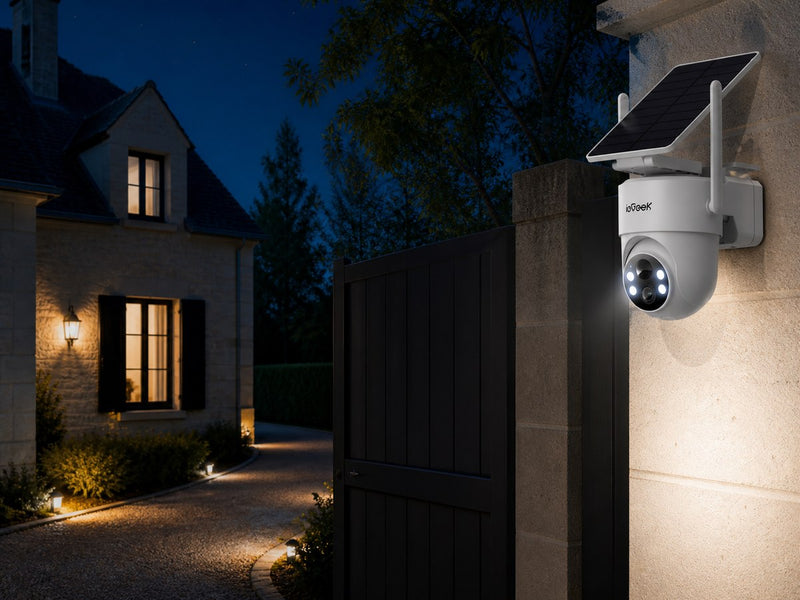
A PIR motion sensor camera like ieGeek ZS-GX4S combined with remote access CCTV camera features allows users to stay connected to their property in real time. Whether installed at a front door or covering a wider driveway area, these systems ensure that important events are never missed.

Better Battery Efficiency
Battery efficiency is one of the most practical benefits of movement-sensitive cameras, especially for wireless installations. Instead of recording continuously, motion-based systems only activate when movement is detected, significantly reducing power consumption. This makes them ideal for battery-powered or solar-assisted setups where long-term efficiency is important.
The difference between continuous recording and motion-triggered recording can be clearly seen in real-world usage:
|
Feature |
Continuous Recording Camera |
Motion Sensor Camera |
|
Power Usage |
High |
Low |
|
Storage Consumption |
Constant |
Event-based |
|
Alert Frequency |
None or manual |
Real-time alerts |
|
Battery Life |
Shorter |
Significantly longer |
|
Maintenance Needs |
Higher |
Lower |
For UK homes where weather conditions can impact solar charging or outdoor power access, optimising battery life becomes a major advantage in long-term reliability.
Indoor vs. Outdoor Motion Sensor Cameras
The performance and purpose of movement-sensitive cameras can vary significantly depending on whether they are installed indoors or outdoors. Indoor security systems are typically focused on monitoring entry points, pets, or internal movement, while outdoor systems prioritise perimeter security such as driveways, gardens. Side entrances where package theft or unauthorised access is Outdoor systems often require stronger durability and weather resistance, while indoor systems prioritise sensitivity control and privacy. In both cases, proactive surveillance systems help ensure that detection is focused only on meaningful movement, reducing unnecessary alerts while improving overall home awareness.
Choose the Right Movement-Sensitive Cameras
Choosing the right movement-sensitive cameras is not just about comparing specifications, but about matching the system to how households actually use security in daily life. Factors such as property layout, WiFi stability, outdoor exposure, and lighting conditions all influence performance. For many users, the goal is to balance reliability, ease of use, and accurate detection rather than simply choosing the most advanced model.
1. Detection Accuracy and False Alert Control
Accuracy in motion detection remains one of the most important factors for UK homeowners. Basic motion sensor camera systems can often trigger alerts from wind, rain, or passing animals, while more advanced systems use PIR motion sensor camera technology combined with AI filtering to focus on human activity. This reduces unnecessary notifications and improves overall reliability in daily use.
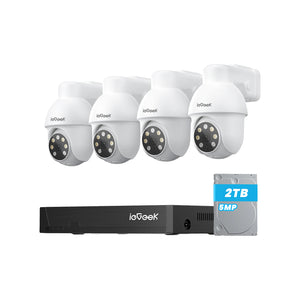
Higher-end models such as the ieGeek Spotlight Camera ZS-GQ4 integrate smart motion detection with spotlight activation and sound alarms, helping deter unwanted visitors while improving visibility at night. These systems are designed to support proactive surveillance systems, ensuring alerts are meaningful rather than overwhelming. This is especially useful for front doors, gardens, and driveway monitoring, where false alerts can quickly become frustrating.
2. Night Performance and Low-Light Clarity
Night-time visibility is a critical requirement for any movement-sensitive cameras used in residential security. Since many incidents occur during evening or early morning hours, a system that performs poorly in low light significantly reduces its effectiveness. A motion sensor camera with night camera capability ensures that movement is still captured clearly even when natural light is limited.
Modern infrared and colour-enhanced night vision systems allow cameras to maintain detail and contrast in dark conditions. Combined with motion detection technology, these systems help ensure that important activity is not missed, especially around entrances or outdoor areas where lighting is inconsistent throughout the night. For example, the ZS-GX4S solar camera supports colour night vision up to 50ft, helping users identify details such as clothing or vehicle type.
3. Remote Monitoring and Real-Time Alerts
Remote access has become a standard expectation for modern home security systems. A remote access CCTV camera allows homeowners to check live footage, receive instant notifications, and review recorded events directly from their smartphones. This is particularly useful for monitoring deliveries, checking unexpected alerts, or keeping an eye on the property while away from home.
When combined with proactive surveillance systems, remote access functionality becomes even more effective. Instead of passively recording footage, the system actively notifies users when meaningful movement is detected. This makes movement-sensitive cameras more practical for everyday use, especially for busy UK households that require quick, reliable updates rather than constant monitoring.
4. Power Type and Installation Flexibility
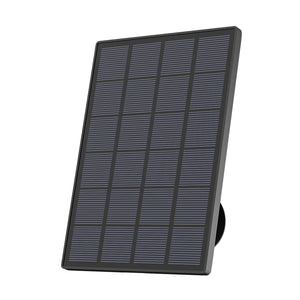
One of the considerations when selecting movement-sensitive cameras is how they are powered. Battery and solar-powered models offer flexible installation without the need for wiring, making them ideal for renters or properties where drilling is limited. For example, the ieGeek Battery Camera S1 provides a simple entry-level wireless solution, while the S5 with solar panel extends uptime by continuously charging through sunlight, reducing maintenance frequency.
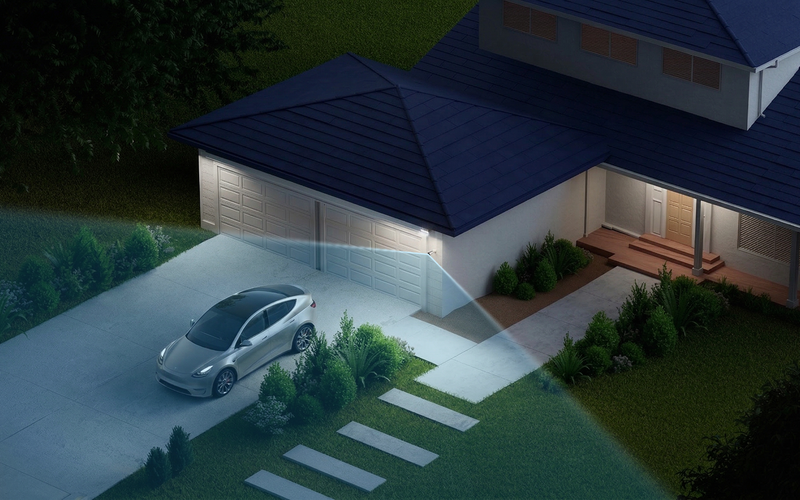
For more demanding environments, solar-powered models like the ZS-GX4S 5MP solar camera offer higher resolution and 360° coverage, making them suitable for driveways and larger outdoor areas. In locations where WiFi is unstable or unavailable, a 4G security camera such as the S11 ensures continuous connectivity through mobile networks, which is particularly useful for rural UK homes or detached properties.
Installation Tips for Better Motion Detection
Proper installation plays a crucial role in how effectively movement-sensitive cameras perform in real homes. Even the most advanced motion sensor camera can underperform if placement, sensitivity, or system integration is not configured correctly. The goal is not just to “install a camera,” but to ensure the motion detection technology works reliably in real-world conditions such as changing weather, lighting, and daily household activity.
Placement for Maximum Effectiveness
Where you place movement-sensitive cameras has a direct impact on how accurately they detect relevant activity. Cameras positioned too high may miss important facial details, while those placed too low can trigger unnecessary alerts from pets or passing objects. In most UK homes, the most effective positions are entry points such as front doors, driveways, side gates, and garden access areas where movement is most relevant.
Adjusting Camera Sensitivity Settings
Sensitivity settings determine how easily a motion detection CCTV camera triggers an alert. If set too high, even small environmental changes such as rain, wind, or shadows can trigger notifications. If set too low, important events like someone approaching the property may be missed. Finding the right balance is essential for consistent performance in UK residential environments.
Integrating with Smart Home Systems
Integrating movement-sensitive cameras with smart home ecosystems significantly improves usability and response speed. Many modern systems now support platforms like Alexa or Google Assistant, allowing users to receive alerts, view live feeds, or activate recordings using voice commands or mobile apps. This creates a more seamless experience compared to standalone security devices.
FAQs
Do home motion sensors have cameras?
Not all home motion sensors include cameras. Basic motion sensors only detect movement and trigger alarms or lights. However, movement-sensitive cameras combine motion detection technology with video recording, allowing users to see and review what triggered the alert.
Do motion sensor cameras record all the time?
Most modern motion sensor camera systems do not record continuously. Instead, they use PIR motion sensor camera or AI detection to start recording only when movement is detected. This helps save storage space and improves battery life.
What security cameras record constantly?
Continuous recording is usually found in wired CCTV systems or high-storage motion detection CCTV camera setups designed for 24/7 surveillance. These are more common in commercial environments, while most UK home users now prefer motion-triggered systems for efficiency.
Are motion sensor cameras good for night security?
Yes, especially ieGeek models with infrared or motion sensor cameras with night camera capabilities. They can detect movement and capture clear footage even in low-light or complete darkness, making them highly effective for overnight protection around entrances or driveways.
Can motion sensor cameras reduce false alerts?
Yes. Modern systems use AI-based motion detection technology and configurable sensitivity settings to distinguish between real threats and irrelevant movement like wind or animals. This significantly improves accuracy and makes notifications more useful for daily home monitoring.
Conclusion
Movement-sensitive cameras have quickly become a core part of modern home security in the UK, offering a more efficient and intelligent way to monitor properties compared to traditional monitoring systems. As motion detection technology continues to evolve, these systems are increasingly shifting from optional upgrades to essential components of proactive surveillance systems in 2026. For homeowners looking to upgrade, solutions such as ieGeek’s motion sensor camera range provide flexible options for different property types, from compact indoor monitoring to full outdoor coverage. The key benefit is not just better visibility, but smarter, more reliable protection that adapts to real-life conditions.
Author Intro
|
|
Developed by the ieGeek content team, combining hands-on experience with smart devices and insights into real user needs. ieGeek is widely known for smart security, our solutions are also designed for a variety of real-life scenarios, including travel, outdoor monitoring, pet care, and family safety. We focus on delivering simple, dependable solutions that fit seamlessly into daily life. |