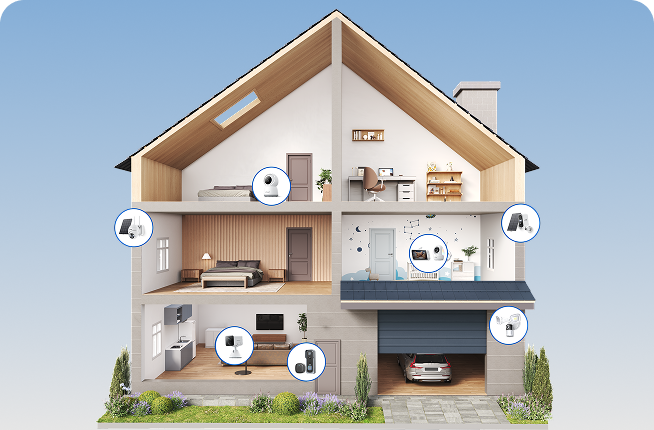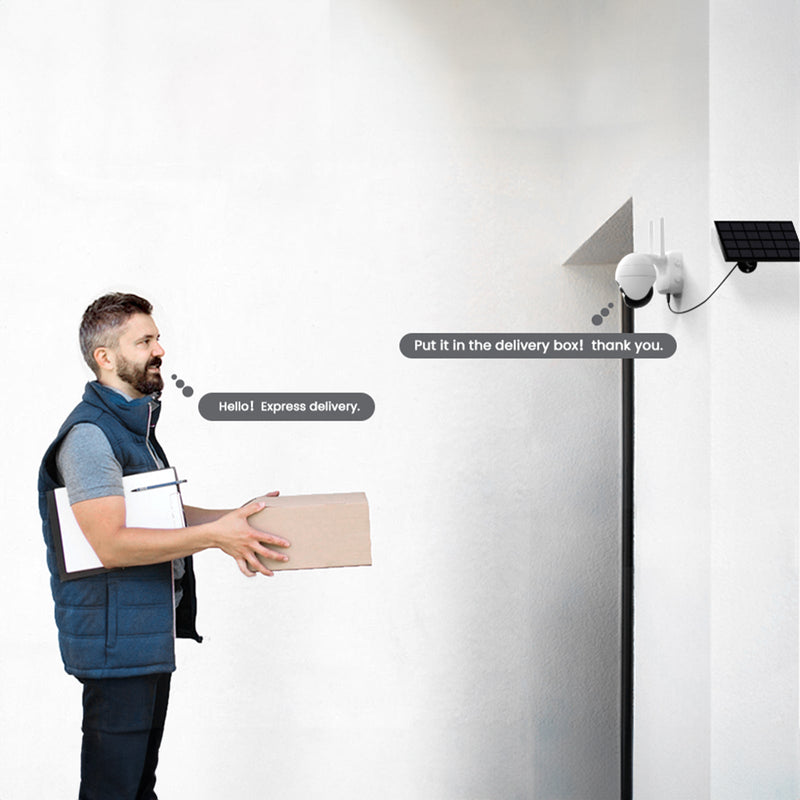




UK homeowners are relying more heavily on waterproof outdoor CCTV cameras not only to deter theft, but also to monitor deliveries, parked vehicles, side entrances, and garden access throughout the year. With the UK’s changing weather conditions — from heavy rain and winter frost to damp coastal air — choosing a standard camera outdoor setup is often not enough for long-term reliability. According to the Office for National Statistics, theft-related offences such as vehicle crime and residential burglary still remain a major concern across many parts of England and Wales, especially in urban and suburban areas where outdoor visibility is limited overnight. As a result, more households are now comparing features such as IP65 camera and IP66 camera ratings before installation, rather than focusing only on image quality or price.
However, buying a waterproof camera outdoor system is only part of the solution. Poor positioning, weak WiFi coverage, and incorrect mounting height can reduce the effectiveness of even the best cam IP camera setup. That is why the installation side matters just as much as the spec sheet. In this guide, we’ll look at practical installation tips that help water-resistant camera systems perform more efficiently in UK home environments — whether you’re protecting a small front entrance, a long driveway, or a larger outdoor space.

Understanding Waterproof Ratings
When choosing a waterproof outdoor CCTV camera, many UK homeowners focus mainly on video quality or smart features, but weather protection is just as important for long-term reliability. Outdoor cameras in the UK regularly face rain, damp air, wind, and winter temperature changes, particularly in coastal or exposed areas. This is why IP ratings matter — they help indicate how well a water-resistant camera can handle dust and moisture once installed outdoors.
Importance of IP Ratings
IP ratings, short for “Ingress Protection” ratings, are used to measure how well a camera outdoor device is protected against dust and water exposure. The first number relates to solid protection, while the second refers to water resistance. For outdoor CCTV systems in the UK, this rating becomes especially important because cameras are often exposed to rain, condensation, dirt, and changing temperatures throughout the year.
A waterproof outdoor CCTV camera with an appropriate IP rating can help reduce maintenance issues and improve long-term reliability. For example, cameras installed near driveways or gardens may face direct rain and wind exposure, while cameras mounted under porches usually experience lighter environmental stress. Choosing the correct protection level helps homeowners avoid problems such as moisture entering the housing, blurred night vision, or corrosion around power connections after prolonged outdoor use.
Differences between IP65 and IP66 Cameras
Both IP65 camera and IP66 camera models are commonly used for residential CCTV installations, and both provide strong protection against outdoor weather conditions. However, the difference mainly comes down to the intensity of water exposure the camera is designed to withstand. An IP65-rated cam IP camera is protected against low-pressure water jets and typical rainfall, making it suitable for sheltered outdoor areas such as porches, side entrances, or partially covered walls.
|
Feature |
IP65 Camera |
IP66 Camera |
|
Water Protection |
Protected against light rain and low-pressure water jets |
Protected against stronger water jets and harsher weather |
|
Best Installation Areas |
Covered entrances, porches, sheltered walls |
Fully exposed walls, driveways, gardens |
|
Dust Protection |
Fully dust-protected |
Fully dust-protected |
|
Suitable for UK Weather |
Yes, for most standard conditions |
Better for severe rain and exposed locations |
|
Common Residential Use |
Front doors, side gates |
Open outdoor areas and perimeter monitoring |
|
Typical Cost |
Usually lower |
Slightly higher due to stronger sealing |
An IP66 camera provides a higher level of water resistance and is generally better suited for fully exposed outdoor installations. Homes in coastal areas, open gardens, or locations frequently affected by strong wind and driving rain often benefit from the extra protection. For many UK households, either rating can work well — the key is matching the waterproof rating to the actual installation environment rather than simply choosing the higher number automatically.
For most homeowners installing a waterproof camera outdoor system, IP65 is already sufficient for standard residential monitoring. However, if the camera will face direct exposure to rain, storms, or strong coastal winds throughout the year, investing in an IP66 camera may provide better long-term durability and fewer maintenance concerns over time.

Choosing the Right Waterproof CCTV Camera
Picking the right waterproof outdoor CCTV camera is really about matching the camera to your home, not just choosing the highest spec on paper. For UK users, that usually means thinking about exposed front gardens, side paths, shared driveways, and the kind of weather the camera will face every week. The best camera outdoor setup is usually the one that fits the environment it will actually operate in. Features such as IP ratings, night vision quality, wireless reliability, and viewing angles all play a major role in long-term performance
-
Features to Look For
When comparing a waterproof camera outdoor system, it helps to focus on features that improve everyday usability rather than only looking at resolution or marketing claims. Reliable motion detection, clear mobile alerts, wide viewing angles, and stable app connectivity often have a bigger impact on home security than headline specifications alone. For outdoor use, weather resistance should also be paired with durable mounting and dependable night performance.
Many homeowners now prefer cam IP camera systems that support smart tracking, remote viewing, and voice assistant integration. Features such as two-way audio and custom activity zones can also help reduce unnecessary alerts caused by passing traffic, pets, or changing weather conditions. Choosing practical features usually leads to a more reliable long-term setup.
-
Night Vision Capability
Night vision is one of the most important features in a waterproof outdoor CCTV camera because many residential incidents occur during evening or overnight hours. In UK neighbourhoods with limited street lighting, poor night performance can make even high-resolution footage difficult to use. Strong infrared visibility or colour night vision helps improve identification around entrances, driveways, and garden paths after dark.
A good water-resistant camera should maintain clear image quality during rain, fog, and changing lighting conditions without excessive glare or overexposure. Cameras with automatic light adjustment and motion-triggered spotlights often perform more consistently in real residential environments than models relying purely on higher megapixel counts.
-
Wireless vs. Wired Options
Wireless camera outdoor systems have become increasingly popular in the UK because they are easier to install without drilling through walls or running long cables. They work particularly well for renters, detached garages, or homeowners wanting flexible placement around gardens and entrances. Battery-powered wireless cameras paired with solar charging can also reduce ongoing maintenance.
Wired CCTV systems still offer advantages in locations where constant recording and maximum connection stability are required. Homes with large driveways or areas with weaker outdoor WiFi may benefit from wired installation. In practice, many homeowners now choose wireless waterproof outdoor CCTV cameras for convenience, while using wired systems only in higher-demand monitoring areas.
-
Best Waterproof Outdoor Wireless CCTV Camera with Night Vision
For homeowners wanting flexible installation and reliable overnight monitoring, wireless waterproof camera outdoor systems with strong night vision are often the most practical option. These cameras are especially useful for front doors, side entrances, and driveways where running power cables may be difficult or visually intrusive.
A good outdoor wireless camera should combine clear night visibility with stable WiFi performance and weather protection suitable for year-round UK conditions. Features such as motion-triggered recording, mobile alerts, and colour night vision help homeowners monitor activity more effectively without constantly checking live footage manually.
Installation Tips for Maximum Efficiency
Even the best waterproof outdoor CCTV camera can perform poorly if it is installed in the wrong position or exposed to avoidable environmental issues. In many UK homes, problems such as weak WiFi signal, poor viewing angles, or unstable mounting often reduce the effectiveness of a camera more than the hardware itself. Proper installation helps improve image clarity, motion detection accuracy, and long-term reliability throughout changing weather conditions.
Location Considerations
The first step when installing a camera outdoor system is deciding which areas genuinely need monitoring. Most UK homeowners prioritise front entrances, driveways, rear gardens, and side access paths because these are the most common movement routes around the property. Positioning a waterproof camera outdoor setup too high or too far away can reduce useful detail, even when using a higher camera resolution.
It is also important to think about lighting and WiFi coverage before mounting the camera. Areas near garages, brick side walls, or metal gates may weaken wireless signals, particularly for battery-powered or solar camera systems. Testing live view performance before final installation can help avoid connectivity issues later.
Elevation and Angle
Mounting height directly affects how useful recorded footage will be during real incidents. In most residential setups, exterior house cameras work best when installed high enough to avoid tampering but low enough to clearly capture faces and activity around entrances. A camera placed too high often records the tops of heads rather than identifiable details.
The viewing angle matters just as much as elevation. Slight downward positioning generally improves motion detection and reduces unnecessary triggers from passing cars or distant pedestrians. For wider driveways or gardens, angled placement may also help minimise blind spots without needing multiple cameras.
Avoiding Obstructions
Outdoor cameras often lose effectiveness because of simple environmental obstructions that homeowners overlook during installation. Tree branches, hanging plants, drainpipes, fences, or decorative lighting can partially block the lens or interfere with night vision after dark. Over time, seasonal growth and changing weather conditions may gradually reduce visibility even further. This becomes especially important for motion tracking and infrared night recording during wet winter evenings.
Mounting Techniques
A waterproof outdoor CCTV camera should always be mounted on a stable surface capable of handling long-term outdoor exposure. Brick walls generally provide the most secure installation point, while wooden fences or loose cladding may shift over time due to wind and moisture. Poor mounting can eventually affect viewing alignment or trigger vibration during storms.
For wireless or solar camera setups, homeowners should also consider future maintenance access. Installing a camera too high may make battery charging, cleaning, or repositioning unnecessarily difficult later. A balanced installation height usually improves both usability and long-term maintenance.
Using the Right Hardware
Using incorrect screws, brackets, or wall plugs is a common reason outdoor camera installations become unstable over time. Standard indoor fixings often struggle in exposed outdoor environments where moisture, wind, and temperature changes gradually weaken mounting points. Stainless steel or weather-resistant hardware is generally a better choice for long-term durability. Secure cabling protection is equally important for wired installations, particularly where rain exposure or frost may damage external connectors over time.
Ensuring Stability
Long-term stability is essential for maintaining clear footage and accurate motion detection. Even slight camera movement caused by wind or loose brackets can affect night vision clarity and reduce recording consistency. This is particularly noticeable on outdoor wireless CCTV camera system setups covering wider spaces such as gardens or driveways.
After installation, it is worth testing the camera during different weather conditions and times of day. Reviewing footage at night, during rainfall, and in strong sunlight helps identify potential glare, movement, or blind spots before they become larger security issues. A stable installation usually improves both recording quality and the overall lifespan of the camera outdoor system.
Maintenance Tips for Long-Lasting Performance
A waterproof outdoor CCTV camera is designed to handle rain, dust, and changing temperatures, but regular maintenance still plays an important role in keeping the system reliable over time. In the UK especially, damp weather, winter frost, and seasonal debris can gradually affect image quality and camera performance if left unchecked. Small maintenance checks often prevent larger problems later.
Regular Cleaning and Inspection
Outdoor cameras naturally collect dirt, rain marks, pollen, spider webs, and condensation throughout the year. Over time, even a small amount of build-up on the lens can reduce image clarity, especially during night recording when infrared light reflects off dust or moisture. Cleaning the camera housing and lens gently every few weeks helps maintain clearer footage and more accurate motion detection.
Addressing Common Issues
Many common outdoor CCTV problems are relatively simple to fix once identified early. Foggy footage, delayed notifications, or reduced night vision are often caused by condensation, unstable WiFi, outdated firmware, or incorrect motion sensitivity settings rather than hardware failure itself. Reviewing settings seasonally can help improve overall performance.
Battery-powered waterproof outdoor CCTV cameras may also behave differently during colder months, as low temperatures can affect charging efficiency and battery life. In some cases, repositioning the camera slightly or improving nearby lighting conditions can significantly improve detection accuracy and recording quality without replacing the device entirely.
Troubleshooting Common Installation Issues
Many homeowners assume poor footage automatically means the camera is defective, but installation conditions frequently play a bigger role. Weather exposure, wall materials, router placement, and outdoor electrical conditions can all affect how consistently the system performs day to day.
Signal Interference
Wireless outdoor cameras rely heavily on stable network performance, but thick brick walls, metal garage doors, and neighbouring WiFi networks can weaken the signal more than expected. This is particularly common in UK terraced housing where multiple routers operate closely together. Weak signal strength often causes delayed alerts, frozen live view, or missing recordings.
Power Supply Concerns
Power-related issues are another common reason outdoor CCTV cameras become unreliable over time. Wired systems may experience problems caused by damaged outdoor connectors, moisture entering exposed cables, or unstable power adapters during winter conditions. Battery-powered cameras can also lose charging efficiency during colder months or extended periods of poor sunlight.
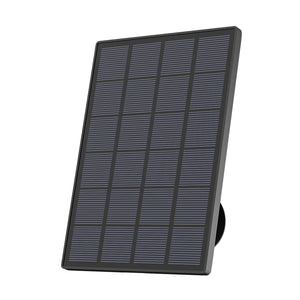
For solar-powered outdoor systems, panel placement makes a significant difference to long-term reliability. Panels positioned in constant shade or beneath roof overhangs may struggle to generate enough charging power during shorter UK winter days. Regularly checking battery health, charging status, and cable condition helps prevent unexpected recording interruptions later on.
FAQs
Are all CCTV cameras waterproof?
Not all CCTV cameras are waterproof. Many indoor models are designed only for controlled environments and can be damaged by rain or moisture. For outdoor use in the UK, you should always choose a waterproof outdoor CCTV camera or at least an IP65/IP66-rated device to ensure long-term reliability. Some modern systems like ieGeek outdoor cameras are specifically designed for all-weather performance.
What is the most heavily surveilled country in the world?
The UK is often considered one of the most heavily surveilled countries, especially in urban areas, due to widespread use of public CCTV systems. This has contributed to higher awareness among homeowners about installing their own camera outdoor systems for added property security.
How to protect a CCTV camera from rain outdoors?
The best protection is choosing a properly rated water-resistant camera with at least IP65 or IP66 certification and installing it under slight shelter where possible. Positioning the camera under eaves or using angled mounting can reduce direct rain exposure. Regular checks for seal damage or condensation also help maintain long-term performance.
Which waterproof camera is the best?
The best waterproof camera depends on your home layout and security needs. For most UK households, a balance of durability, night vision, and smart detection is more important than extreme specifications. Models like ieGeek waterproof outdoor CCTV cameras are popular because they combine weather resistance with motion alerts and easy installation for everyday home security.
What is the difference between weatherproof and waterproof cameras?
Weatherproof cameras are designed to handle general outdoor conditions like light rain, wind, and dust, but may not withstand heavy water exposure. Waterproof cameras, on the other hand, are built to resist stronger and more direct water contact, making them more suitable for exposed installations. For UK weather conditions, an IP66 camera is often the safer choice for long-term outdoor use.
Conclusion
A waterproof outdoor CCTV camera is only as effective as its installation, placement, and ongoing maintenance. Choosing the right IP rating, positioning the camera correctly, and ensuring stable connectivity all play a key role in achieving reliable long-term performance in UK weather conditions. When set up properly, a well-designed system can provide consistent protection across entrances, driveways, and outdoor spaces throughout the year. For homeowners looking for a simple and reliable setup, ieGeek waterproof outdoor CCTV cameras offer an easy way to combine durability with practical everyday security.
Author Intro
|
|
Written by the ieGeek team, a brand dedicated to making smart security simple and accessible for everyone. With experience in designing easy-to-install security cameras, we aim to provide practical advice based on real user scenarios. Our goal is to provide reliable, easy-to-use technology that helps users stay connected and protected in different environments. |