

A dummy CCTV camera may look like a real security camera, but it cannot record footage or provide evidence after an incident. A real security camera offers live viewing, alerts and video records that can help you see what happened.
This guide compares dummy CCTV cameras and real security cameras, explains where real cameras are most useful, and covers the key factors to consider when choosing between them.

Key Takeaways
- Dummy CCTV cameras can create a visible deterrent, but they cannot record footage or provide evidence after an incident. Real security cameras add monitoring, alerts and recordings that help homeowners understand what happened.
- Real security cameras are better suited to important areas such as front doors, driveways and garage entrances, where reviewing visitors, vehicles or suspicious activity can be important after an event.
- The right camera depends on the area being protected: ieGeek ZS-GX4S is suitable for entrances that need person detection and tracking, ieGeek S7 fits driveways or gardens that need continuous recording, while ieGeek ZY-E2 works well for darker outdoor areas that need lighting and monitoring.
- UK homeowners using real CCTV should position cameras carefully, avoid unnecessary recording of neighbours or public areas, and manage footage storage and access responsibly.
Dummy CCTV Camera vs Real Security Camera Compared
Dummy and real CCTV cameras may look similar, but their functions are very different.
| Feature | Dummy CCTV Camera | Real Security Camera |
|---|---|---|
| Recording | No actual footage is created | Records video for live viewing and later review |
| Deterrence | May discourage some opportunistic behaviour if it looks convincing | Can deter activity while also providing real monitoring |
| Evidence After an Incident | Cannot show what actually happened | Footage can help review events after theft, damage or unauthorised access |
| Cost | Lower upfront cost | Higher initial investment but provides more functions |
A dummy CCTV camera mainly changes how a property looks from the outside. A real security camera lets you check activity and look back at recordings, which makes it more useful for areas where homeowners need to understand what happened.
Dummy CCTV Camera Pros and Cons
The main advantage of a dummy cctv security camera is simplicity. It is inexpensive, easy to install and does not require video storage or a network connection, although models with flashing LEDs may need batteries. For a garden fence or secondary area where the main goal is simply making a property appear monitored, this approach may be enough.
However, a dummy camera cannot confirm whether someone entered the property, what they did or when they left. If a parcel disappears from the doorstep or a vehicle is damaged overnight, there is no footage to review.
Real Security Camera Pros and Cons
A real security camera provides information that a visible camera shape alone cannot offer. You can check the live view on your phone, receive alerts and review recordings when something unusual happens.
The trade-off is that real cameras require more planning, including choosing suitable locations, power options and storage methods. However, for important areas around a home, being able to check what happened is often the main reason people install security cameras.
Where Real Security Cameras Are Most Useful
Some areas need real footage rather than just the appearance of a camera.
Front Door and Side Entrance
Front doors and side entrances are common points for visitors, deliveries and daily movement around a property. Seeing a dummy camera outside the house does not tell homeowners who arrived, how long they stayed or what they did near the entrance.
A real security camera can capture footage that helps review parcel theft, unauthorised access or unexpected activity. When someone approaches a side gate, stops near a porch or moves around the entrance, recorded footage can show more of what happened, depending on the camera’s view and recording settings.
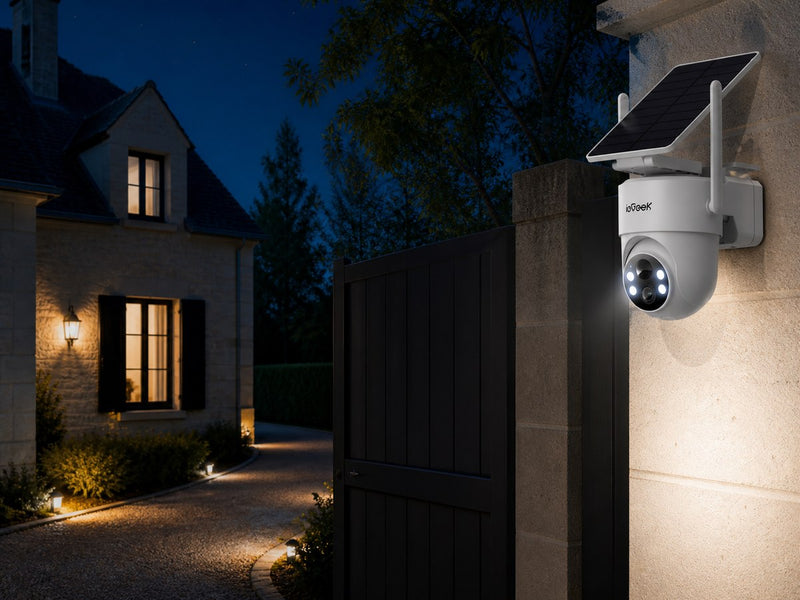
The ieGeek ZS-GX4S PTZ outdoor camera is suitable for these areas because its 5MP video, person detection and auto tracking can help follow movement around entrances. If someone walks towards the front path and then moves towards another part of the property, the camera can help keep them in view within its tracking range.

Driveway and Larger Garden
Driveways and larger gardens often involve more activity than a single entrance area. A vehicle may enter briefly, return several times or stop in different positions, while people may move across different parts of the property. A real security camera with continuous recording can provide a clearer timeline for reviewing unusual activity.
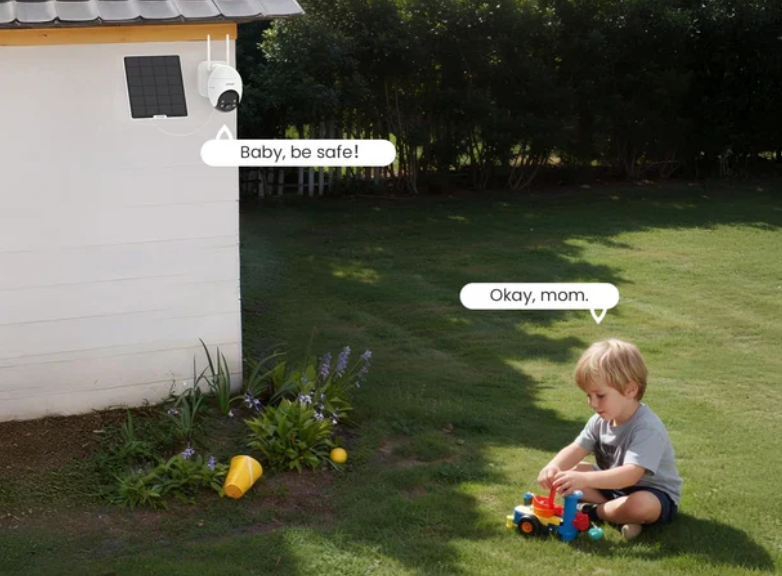
The ieGeek S7 wireless 24/7 recording camera is suitable for homeowners who need more than a visible deterrent. Its AOV 24/7 recording helps capture activity over time, while the 4MP video and PTZ function help capture movement across a driveway or garden for later review.

Dark Driveway and Garage Entrance
A visible camera may suggest that the area is protected, but it cannot improve visibility or capture useful details at night. For areas where homeowners need to know whether someone approached a parked car, garage door or outdoor space, a real security camera can provide both monitoring and deterrence.
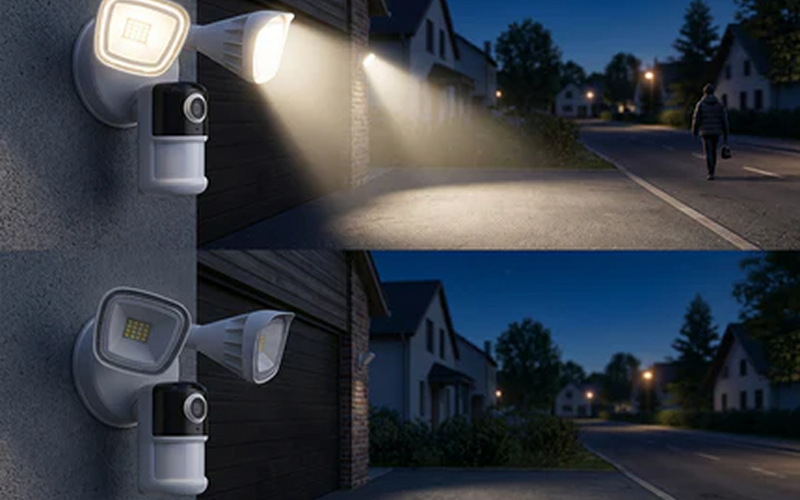
The ieGeek ZY-E2 floodlight camera is designed for these situations. Its 2600-lumen floodlight helps illuminate darker outdoor areas on winter evenings, while the 5MP camera records activity for later review. The 110dB alarm also adds an active warning feature that a dummy camera cannot provide.

Where Dummy CCTV Cameras Can Be Useful
Although dummy cctv cameras cannot replace real monitoring, there are situations where they may still have a role.
Lower-Risk Secondary Areas
A dummy camera may be considered for places where there is limited security importance, such as a rarely used garden store containing no valuables or a section already covered by another security measure.
Areas That Mainly Need a Visible Deterrent
Some homeowners mainly want to make visitors aware that security measures exist. In these situations, the appearance of a camera may influence behaviour, although it does not provide proof after an incident.
Around an Existing CCTV System
A dummy camera can sometimes be placed alongside real cameras to make a property appear more extensively monitored. However, important outdoor areas should still be covered by working outdoor security cameras where footage is needed.
How to Choose Between Dummy and Real CCTV Cameras
The decision usually depends on whether you need a visible deterrent, recorded footage or both.
Decide Whether Deterrence Alone Is Enough
If the main purpose is simply showing that security equipment exists, a dummy camera may meet the requirement. For areas where theft, damage or access concerns are more likely, real footage becomes more important.
Decide Whether You Need Footage or Alerts
A real camera is the only option of the two when you need to know what happened while you were out. It can help you check a missed delivery, review activity near a driveway or receive notifications when movement is detected.
Consider How Important the Area Is
The location also affects which type of camera makes sense. Areas such as front doors, garages and driveways where a parked car needs monitoring are usually better suited to real security cameras because they involve visitors, vehicles or valuable items you may need footage of later. Lower-risk areas, such as a rarely used garden corner or secondary boundary, may only need a visible deterrent.
UK Rules for Dummy and Real CCTV Cameras
Features are only one part of the decision. In the UK, homeowners also need to consider privacy responsibilities when CCTV records areas beyond their own property.
Dummy CCTV Cameras
Because dummy cameras do not record video, they generally do not fall under the same data protection requirements as real CCTV systems. However, they should not be installed in a way that falsely suggests they are recording specific people or creates unnecessary disputes with neighbours.
Real Home CCTV
Real CCTV cameras used solely for household purposes normally fall outside UK data protection rules if they capture only your own property. Homeowners should normally position cameras to cover their own property, such as a front door, driveway or garden, while avoiding unnecessary recording of neighbouring properties or public areas.
When a camera captures identifiable people beyond your boundary, including on a pavement or shared driveway, data protection law applies. Homeowners must limit recording to what is necessary, keep footage secure and restrict access. Recordings should generally only be retained for as long as they are needed.
CCTV Signs and Transparency
CCTV signs are an important part of transparency when people may be recorded. If you are considering whether you need a CCTV sign on your house, home CCTV that captures identifiable people beyond your boundary should display a clear sign to meet transparency requirements. A sign should make people aware that recording is taking place and provide enough information for them to understand who is operating the CCTV system.
FAQ
Can you use dummy CCTV cameras together with real security cameras?
Yes. Some homeowners use dummy cameras in less important areas while placing real cameras at key locations where recording and monitoring are needed.
How can you tell if a CCTV camera is a dummy?
A fake CCTV camera may have a moulded imitation lens or other unrealistic details, but flashing lights and visible wiring are not reliable indicators. Working cameras can be wireless and have no visible status light, so appearance alone may not always confirm whether a camera is real.
Is one real security camera better than several dummy cameras?
It depends on the purpose. Several dummy cameras may create more visible coverage, but they cannot provide footage. One properly placed real camera can be more useful when evidence or alerts are important.
Do fake cameras deter burglars?
A fake camera may discourage some people if they believe it is real, but it cannot record activity or help identify what happened afterwards.
How do security cameras work?
Security cameras capture video through a lens and image sensor, then store or transmit footage through options such as local storage, cloud storage or a connected recording system. Many modern cameras also use motion detection and AI features to identify relevant activity.
Conclusion
Dummy CCTV cameras can provide a simple visual deterrent, but they cannot show what happened when an incident occurs. Real security cameras require more investment but provide recording, alerts and evidence that can be reviewed later.
For important areas such as front doors, driveways and garage entrances, being able to check a missing parcel or damage to a parked car is often more valuable than simply displaying a camera.
About the Author
 |
Written by the ieGeek team, a brand dedicated to making smart security simple and accessible for everyone. With experience in designing easy-to-install security cameras, we aim to provide practical advice based on real user scenarios. Our goal is to provide reliable, easy-to-use technology that helps users stay connected and protected in different environments. |