




There is nothing more frustrating than opening your smart home app only to find a water-fogged lens or a camera that has completely died after a classic British downpour. According to IEC 60529, Ingress Protection (IP) ratings indicate how well devices protect against dust and liquids. Environmental exposure is a leading cause of camera failure, causing foggy lenses and rusted cables.
Choosing between IP65 and IP67 directly affects your device’s ability to withstand harsh British weather. This guide unpacks the waterproof rating chart to help you pick the right security cameras today.

Key Takeaways
Before you mount a camera on your cold brick wall, remember these vital facts:
-
IP means Ingress Protection, a strict global standard from the International Electrotechnical Commission (IEC 60529).
-
The first number grades dust defence. The second number measures water defence.
-
An IP65 camera keeps out blowing dirt and easily withstands a spray from a garden hose.
-
An IP67 device withstands complete submersion for 30 minutes.
-
For typical UK homes, a standard IP65 rating provides perfect defence. You only need an IP67 rating if you live in deep flood zones.
Quick Answer: Which Waterproof Rating Is Best for Security?
Which number actually keeps your electronics safe? For almost every UK home, an IP65 rating hits the perfect sweet spot. It easily shrugs off sudden downpours, accidental hose splashes, and endless damp winter mornings.
However, your exact mounting spot changes the rules. If you place a camera near a bubbling drainage ditch or a soggy basement stairwell, upgrading to an IP67 rating gives you a crucial safety net against deep puddles.
Use this quick placement guide:
| Camera Placement Area | Minimum Rating Needed |
| Front porch or open driveway | IP65 |
| Garage requiring power washing | IP66 |
| Low-lying, flood-prone yards | IP67 waterproof |
What Are Waterproof IP Ratings?
Have you ever wondered who decides if a camera is weatherproof? Waterproof IP ratings are based on the International Electrotechnical Commission (IEC 60529) standard, which specifies how well a device resists dirt and water.
Here is how to decode the numbers:
-
The first digit (0–6): Measures solid defence. A perfect “6” means the shell is completely dust-tight against blowing sand.
-
The second digit (0–9): Measures liquid defence. A “5” easily handles heavy rain jets, while a “7” survives a drop into a deep puddle.
Imagine your porch camera facing frosty morning dew, summer thunderstorms, and splashes from passing cars. Understanding these official grades before you buy ensures you won’t waste money replacing a waterlogged, rusted device after its first brutal winter.

IP65 vs IP67: What Is the Real Difference?
When comparing IP65 vs IP67, think of them as weather armour for your security. Both ratings start with a “6.” This means they act like a sealed vault against dust and sand. No tiny grains can get inside to scratch the lens or ruin the wires. Real magic happens when things get wet:
IP65 rating is built for typical British weather. If a thick autumn downpour hits or you accidentally spray it with a garden hose, it stays safe. It is the perfect choice for high spots, such as your porch or garage wall.
However, an IP67 rating is for the “splash zones.” This gear can sit underwater for up to 30 minutes. Imagine your driveway turning into a small pond during a heavy storm. An IP67 waterproof camera won’t quit even if it gets dunked in a deep puddle.
Checking waterproof IP ratings keeps your home safe. This ensures a burglary doesn’t happen just because your camera got wet during a storm.
Waterproof Rating Chart: A Quick Reference Guide
To make shopping simple, here is a broad waterproof rating chart for everyday electronics. It shows exactly where IP65 and IP67 fit on the official scale.
| IP Rating | Dust Block | Water Block | Common Use |
| IP44 | > 1mm objects | Light splashes | Porch lights |
| IP54 | Partial dust | Light splashes | Covered patios |
| IP65 | Total dust block | Spraying jets | Outdoor cameras |
| IP66 | Total dust block | Power washing | Industrial areas |
| IP67 | Total dust block | Shallow pools | Flood zones |
| IP68 | Total dust block | Deep water | Scuba gear |
-
Below IP65: Ratings like IP44 only block light drips. Never mount them fully exposed to the open sky.
-
IP65 and IP66: These ratings indicate easy protection against heavy rain, blowing snow, and accidental garden-hose sprays.
-
IP67 and IP68: These heavy-duty shells are built to sit directly underwater without leaking.
When you buy your next outdoor security camera, always demand at least IP65. Anything lower puts your hard-earned money at risk the moment a wild storm blows across your garden, turning your expensive tech into a soggy paperweight.
Why an IP65 Rating or IP67 Rating Matters
You might think a basic garden camera doesn’t need tough armour. Does the rating truly matter? Yes, it absolutely does.
The UK weather is famously harsh. If you buy a weak camera, the changing seasons will quickly destroy it. An IP65 or IP67 rating provides vital protection against the elements.
Consider what your outdoor camera faces every day:
-
Endless Rain: England receives nearly 900mm of rain yearly, while parts of Scotland see over 3,000mm. A cheap, unrated camera will drown.
-
Creeping Dampness: Picture a foggy, freezing autumn morning. If a camera is not sealed tightly, that cold mist sneaks inside. It rusts the tiny circuit boards and permanently fogs the glass lens.
-
Winter Darkness: Outdoor security cameras usually fail during freezing, wet winters. This leaves your home totally blind during the longest, darkest nights of the year. If you live in the most dangerous places in London or other busy urban areas, a broken camera makes you an easy target.
When you choose a proper, laboratory-tested weather rating, you no longer have to replace broken gear. You buy lasting peace of mind, knowing your family stays safe through every single thunderstorm.
Practical Suggestions for Weatherproofing Your Setup
Even the toughest camera armour works better when you install it thoughtfully. Taking a few smart steps during setup protects your tech and ensures your video stays crystal clear through every howling gale.
Follow these easy tips to extend your device’s life:
-
Hide Under Roof Eaves: Whenever you can, mount your device under a porch canopy or roof overhang. Blocking direct, pounding rain keeps the glass dry and prevents blurry water droplets from ruining your view.
-
Tilt the Lens Down: Angle your camera slightly downward toward the path or driveway. This clever tilt prevents rainwater from pooling on the lens and significantly reduces blinding nighttime glare.
-
Seal the Cables Tightly: Water loves to creep along wires. If you use an outdoor camera security wireless system, make sure the rubber charging port covers are fully pressed in. For wired models, apply a dab of silicone sealant around any wall drill holes.
-
Wipe Away Spiderwebs: Dust, dried rain spots, and thick cobwebs build up quickly. Give the lens a gentle wipe with a soft microfiber cloth every month to keep your mobile alerts sharp and reliable.
-
Adjust solar panels: The winter sun in the UK sits very low in the sky. Tilt your solar panel a bit higher in October to capture every scrap of weak sunlight.
A little seasonal maintenance keeps your home security camera running smoothly. Check your live phone feed after major storms to guarantee your perimeter stays safely guarded.
Top-Rated Weatherproof Security Recommendations
Understanding waterproof ratings is only half the battle. Now, let us apply those numbers to real devices built for unpredictable UK weather. The following options combine proven durability with smart features that actually solve daily problems.
ZS-GX4S with Solar Panel 5MP
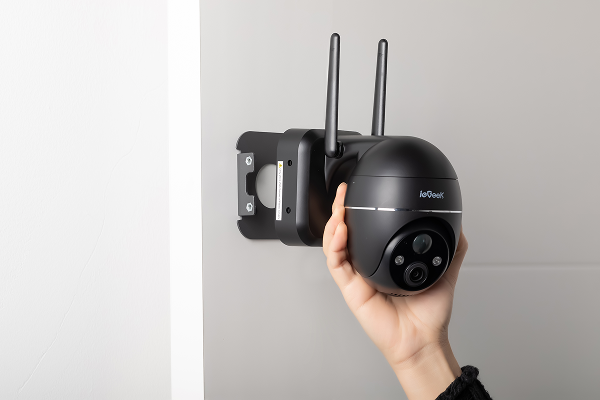
The ieGeek ZS-GX4S with Panel 5MP is a brilliant, wire-free guardian for standard UK homes. It carries an IP65 rating, which deflects flying dust and sprays from any direction.
Because it operates entirely without cables, you eliminate the biggest weatherproofing flaw: drilled holes in walls where water can sneak in.
-
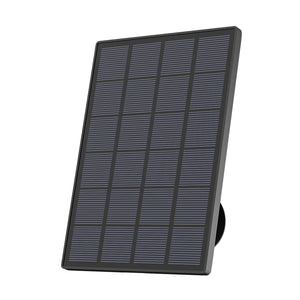
Constant Solar Power: A sleek solar panel keeps the battery charged even in damp, grey winters. You never have to climb a slippery ladder in the freezing snow to swap batteries.
-
Stunning Clarity: It records in stunning 5MP Ultra HD. Even on dark, drizzly nights, you see sharp colour images instead of grainy grey blobs.
-
Total Yard Coverage: With a smooth 360-degree pan-and-tilt lens, you can check your back gate, the garden shed, and the patio right from your phone screen.
-
Active Defence: Smart AI detection instantly spots human movement. It triggers a loud built-in siren to scare trespassers away before they reach your house.
This camera is the perfect match for busy families wanting reliable, hands-off protection for their driveway or garden.
S11 4G LTE Outdoor Camera
What if you need to protect an off-grid location? The ieGeek S11 4G LTE Camera steps up to an IP66-rated rugged shell. This means it laughs at powerful, high-pressure water jets and blowing dirt.
-
Total Independence: It uses an included 4G SIM card instead of a home Wi-Fi connection. This makes it the ultimate choice for remote horse barns, muddy construction sites, or rural farm gates.
-
Massive Battery Backup: A massive 10,000 mAh battery pairs with a powerful 5W solar panel. It runs continuously miles away from any electrical outlet.
-
Brilliant Night Vision: It captures vivid 2K colour footage in total darkness, while intelligent AI filters out passing foxes or blowing leaves to stop annoying false phone alerts.
If you manage a remote holiday let or a rural worksite, this camera stands as your most reliable, weather-beating watchman.

Wireless Front Door Monitoring
Wind pushes rain forcefully against your porch. Your front door needs a tough shield. A wireless doorbell camera like the ieGeek Bell J1 blends a tight 65 rating with brilliant everyday convenience.
-
See Every Detail: Crystal-clear 2K video shows exactly who dropped off a package, whether it is high noon or midnight.
-
Talk from Anywhere: Crisp two-way audio lets you chat with delivery drivers straight from your office desk. You can even use a clever voice changer feature for added personal privacy.
-
Zero Wiring Fuss: Because it runs on a large rechargeable battery, you mount it and go. It is a dream for renters who cannot drill deep into brick walls.
When you pair this smart doorbell with a solid garden camera, you create a complete, weather-tight perimeter. Do not wait for a harsh storm to expose your home’s weak spots.
FAQs
Can an IP65 camera handle a British winter?
Yes, absolutely. An IP65 camera is protected against heavy rain, thick sleet, and freezing frost. Because quality models operate safely between -20°C and 50°C, a standard UK winter will never freeze your internal electronics. Just remember to tilt your solar panel higher to catch the low sun on short, dreary December afternoons.
Is the solar panel also waterproof?
Yes, it is. Reliable outdoor kits ensure the solar panel has the same tough weather protection as the camera itself. Rainwater slides off the glass face, while thick rubber seals protect the connection cables. To keep the battery charging smoothly, wipe away sticky spring pollen with a soft cloth.
Will moisture get inside the lens?
No, rain cannot push through a genuine IP65 rating. Laboratory tests show that the sealed shell completely blocks water spray. However, sudden temperature shocks, like moving a device from a heated living room into freezing snow, can cause brief internal condensation. Let your new camera sit outside to adjust to the environment before mounting it.
Conclusion
Choosing between IP65 and IP67 is simple once you decode the numbers. Both block dust perfectly, but their water defence differs.
For most UK homes, an IP65 camera like the wireless ieGeek ZS-GX4S delivers all the rain- and spray-protection you need. You only need an IP67 rating for spots that are deeply flooded.
Meanwhile, the S11 4G LTE camera upgrades to IP66 for muddy, remote jobs. Just match your location to the waterproof rating chart, and secure your home properly today.
Author Intro
|
|
Created by the ieGeek editorial team, drawing on hands-on product experience and ongoing research in Smart Security solutions. As a brand focused on simple, reliable, and affordable wireless security systems, ieGeek combines practical insights with real-world use cases to help users make informed decisions. |