



Your front door is where daily life begins, but it can also be one of the most exposed parts of your home. Parcels left near the entrance may attract thieves, while weak locks, frames or glass panels can make forced entry easier. Poor front door security can lead to financial loss and leave you feeling less safe in your own home.
By taking a few practical door security measures, you can make the entrance harder to target and easier to monitor. This guide explains eight ways to secure your front door, from strengthening the door and upgrading the locks to using cameras, lighting and better daily habits. You’ll also learn how to choose suitable security for a front door based on your property, routine and main concerns.
Key Takeaways
-
A strong door, secure frame and approved locks form the foundation of front door security.
-
Anti-snap cylinders, reinforced hinges and letterbox guards can reduce common weak points.
-
Cameras, video doorbells and motion lighting make it easier to monitor visitors, parcels and unusual activity.
-
Choose a security camera based on its video quality, power source, motion alerts, storage and night vision.
-
Always lock the door fully, keep keys away from the entrance and check every access point before leaving or going to bed.

Why Front Door Security Matters?
Your front door isn’t only where you enter and leave. It’s also the first line of defence for your home. Recent figures show why front door security remains important for UK households.
-
Burglary remains a concern: Although burglary rates have fallen over time, police still recorded around 327,000 offences in the year ending December 2025. A break-in can cause financial loss, property damage and lasting stress.
-
Front doors can hide weak points: An entrance may look solid but still have an old cylinder, weak frame or loose fittings. Opportunistic intruders often test the easiest access point rather than plan a complex break-in. Strong locks and reinforced fixings can improve door security.
-
Parcel theft is increasing: Research based on Freedom of Information data found that parcels worth about £666.5 million were stolen across the UK in one year. A video doorbell can help you monitor deliveries and check activity near the entrance.
A secure front door protects more than your belongings. It can also reduce worry and help you feel safer at home.
8 Ways to Secure Your Front Door
Improving front door security doesn’t need to involve a complete renovation. A few hardware upgrades and better daily habits can make the entrance harder to force. Here are eight practical ways to secure your front door.
1. Choose a Strong Door and Frame
Start with the door and its frame. Solid timber, metal and composite doors resist impact better than hollow or lightweight panels. The frame should also be firmly fixed to the surrounding wall, since a weak frame can reduce the value of a strong lock.
When replacing a door set, look for recognised UK security standards such as PAS 24 or Secured by Design. These show that the door has been tested against common forced-entry methods.
2. Upgrade Your Door Locks
Locks form the centre of effective door security. Multi-point systems secure the door at several places along the frame, while British Standard locks such as BS3621 meet recognised security requirements.
Check how your current lock works. On many uPVC and composite doors, lifting the handle doesn’t fully lock the door. You still need to turn the key to engage the locking points whenever you leave or go to bed.
3. Install an Anti-Snap Lock Cylinder
Some burglars target the cylinder rather than the whole lock. Lock snapping can expose the internal mechanism and allow the door to open quickly.
For uPVC or composite doors, consider a TS007 three-star anti-snap cylinder or an equivalent high-security option. It’s designed to protect the locking mechanism even when part of the cylinder is damaged.
4. Reinforce Hinges and Door Fixings
Intruders don’t always attack the lock. They may also test the hinges, frame or strike plate with physical force.
Replace short screws with stronger fixings around 3 in (7.6 cm) long, where the door design allows. These reach deeper into the structure instead of holding only to the surface trim. For outward-opening doors, hinge bolts or security hinges can stop the door from being lifted away from its fittings.
5. Add Secondary Door Security
A second physical barrier can slow down forced entry and give you more control when answering the door.
Useful options include:
-
A security bar to resist kicking or pushing
-
A door chain or limiter for checking visitors
-
A wide-angle viewer so you can see outside first
-
A lock guard to protect an exposed cylinder
These measures shouldn’t replace the main lock, but they can strengthen security on doors that need extra protection.
6. Use Security Cameras, Doorbells and Lighting
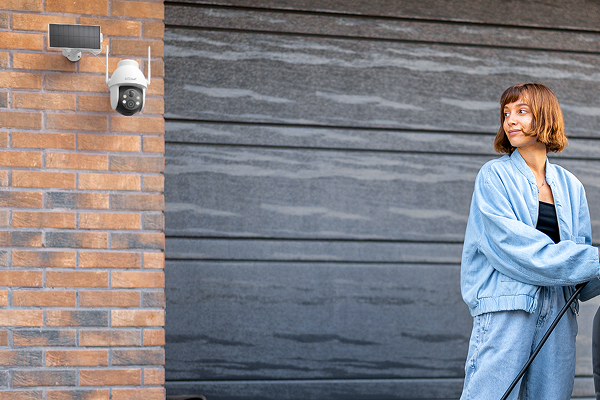
Visible monitoring can make your entrance less attractive to opportunistic intruders. outdoor security cameras can send motion alerts, record activity and let you check the front of your home from your phone.
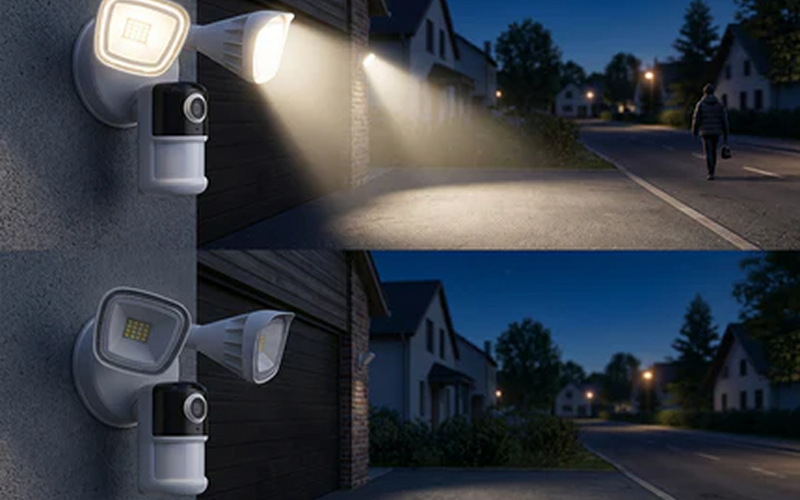
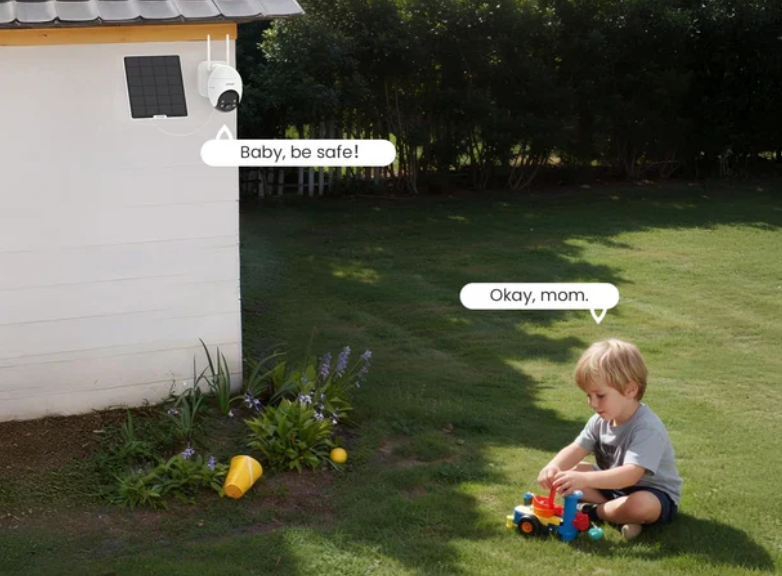
Two-way audio also allows you to speak to visitors or delivery drivers when you’re away. Pair the camera with motion-activated lighting to reduce dark areas around the door. Place each device where it can cover the path, doorstep and approach rather than only the door itself.
7. Secure Letterboxes and Glass Panels
A letterbox can give someone access to keys, handles or items left near the entrance. Fit a letterbox guard, cage or internal cover to reduce the reach through the opening.
Keep keys and bags away from the door, even when they can’t be seen from outside. If the entrance has glass panels, use toughened or laminated glass and check that an intruder couldn’t break a small section and reach the lock.
8. Build Better Door-Locking Habits
Strong hardware can’t protect your home when the door isn’t fully locked. Close and double-lock it whenever you leave, even for a short trip.
Don’t leave spare keys under mats, plant pots or other obvious hiding places. Use a secure key safe when someone needs temporary access, and install it away from direct view. Before going to bed, check the front door, remove keys from nearby windows and confirm that every locking point is engaged.
How to Choose a Front Door Security Camera or Video Doorbell?
A front door security camera or video doorbell can show who’s outside, monitor deliveries and record activity around your entrance. With many options available, focus on the features that affect daily use.
-
Clear video quality: Choose at least 1080p resolution so faces, clothing and nearby activity remain visible. Higher resolutions such as 2K provide more detail when you zoom in, but they may use more storage and internet bandwidth.
-
A suitable power source: Battery-powered models are easy to install and suit renters or homes with no existing wiring. Wired devices require more setup but don’t need regular charging. Solar-powered cameras can reduce battery maintenance when the panel receives enough daylight.
-
Useful motion alerts: Basic motion detection may react to passing cars, animals or moving branches. Person, vehicle and parcel detection can make notifications more relevant and reduce unnecessary alerts.
-
Flexible storage: Some cameras store recordings through a paid cloud plan, while others support a microSD card or another form of local storage. Check the storage capacity, recording length and ongoing cost before choosing a device.
-
Reliable night vision: Your camera should capture clear footage after dark, especially during the longer winter nights in the UK. Infrared night vision records in low light, while colour night vision or a motion-triggered spotlight can show more visible detail.
-
A practical viewing angle: A doorbell camera usually covers visitors standing close to the entrance. A separate 4G security camera can provide a wider view of the path, driveway or front garden. Check the mounting position before deciding which option better suits your front door security needs.
Also consider app controls, two-way audio and weather resistance. These features let you check the entrance remotely, speak to visitors and keep the device working through changing outdoor conditions.
Top ieGeek Picks for Front Door Security
Once you know which features matter, the next step is finding a device that suits your entrance and daily routine.
The following ieGeek options cover different front door security needs. One focuses on doorstep visitors, one offers flexible wireless coverage, and one combines monitoring with bright outdoor lighting.
ieGeek Doorbell Camera Bell J1
The ieGeek Doorbell Camera Bell J1 is a practical option when you mainly need to watch visitors, parcels and activity directly outside your door.
Its 2K video provides a clear view during the day and after dark. PIR human detection can identify movement up to 20 ft (6.1 m) away and send an alert to your phone. You can then use two-way audio or a pre-recorded message to answer without opening the door.
Best for: Flats, rented homes and busy entrances where you want to check visitors and deliveries remotely.
Key features:
-
2K video with infrared night vision
-
PIR human detection with adjustable sensitivity
-
Two-way audio and three quick-reply messages
-
Wire-free installation using 2.4 GHz Wi-Fi
-
Local storage supports up to 128 GB
-
Alexa compatibility

ieGeek Battery Camera S1
The ieGeek Battery Camera S1 suits entrances that need a wider view than a doorbell can provide. Its 130° field of view can cover the doorstep, path and part of the front garden from one position.
The camera uses a rechargeable battery and an integrated solar panel. This reduces the need to remove it for regular charging when it receives enough sunlight. Its wire-free design also makes installation easier in places with no nearby power socket.
Best for: Renters and homeowners who want flexible coverage around a porch, pathway, side entrance or small driveway.
Key features:
-
2K video and a 130° viewing angle
-
Built-in solar panel for ongoing battery charging
-
PIR human detection and phone alerts
-
Colour night vision with a 200-lumen spotlight
-
Two-way audio and a warning siren
-
Local storage support up to 128 GB
-
Weather-resistant outdoor design

ieGeek Floodlight Camera ZY-E2
The ieGeek Floodlight Camera ZY-E2 is designed for darker entrances, driveways and side paths. It combines a front door security camera with two bright floodlights, allowing it to record movement and light the area at the same time.
The 5MP camera captures finer detail, while the infrared system can provide visibility up to 49 ft (15 m) after dark. The 150° PIR sensor activates the lights when movement enters the detection area. You can also adjust the detection zone and sensitivity through the app.
Unlike the two battery-powered options above, the ZY-E2 needs a wired connection and an existing junction box.
Best for: Dark porches, driveways and front gardens where lighting is as important as video monitoring.
Key features:
-
5MP video with infrared night vision
-
Two floodlights with a combined output of 2,600 lumens
-
150° PIR motion detection
-
Custom motion zones and adjustable sensitivity
-
2.4 GHz and 5 GHz Wi-Fi support
-
Two-way audio and a 110 dB siren
-
Remote viewing through the ieGeek Cam app

FAQs
How do I burglar-proof my front door?
You can’t make a front door completely burglar-proof, but you can make forced entry much harder. Fit a strong door and frame, use approved locks, reinforce the hinges and add a letterbox guard. Outdoor lighting and visible monitoring can also discourage opportunistic intruders.
What is the best security for a front door?
The best front door security uses several layers rather than one device. Combine a PAS 24 door, suitable British Standard locks, strong frame fixings and good locking habits. Where wiring is difficult, ieGeek’s home security cameras wireless range can also provide flexible entrance monitoring.
How to make a front door more secure from inside?
Add a door bar, chain or limiter to give the entrance more resistance from inside. Keep keys, bags and valuables away from the letterbox and nearby windows. Always use the main lock as well, since secondary fittings aren’t designed to replace it.
Should you leave your keys in the door at night?
No, you generally shouldn’t leave keys in the lock overnight. Someone may be able to reach them through a letterbox, cat flap or broken glass panel. Remove the keys and keep them out of sight but in a consistent place that household members can reach quickly during an emergency.
Conclusion
Better front door security starts with practical action. By combining a strong door, reliable locks and reinforced fittings with cameras or lighting, you can make your entrance harder to target. The right setup depends on your home, daily routine and main security concerns. Follow these steps to secure your front door, monitor activity more clearly and feel more confident when you’re at home or away.
Author Intro
 |
Written by the ieGeek team, a brand dedicated to making smart security simple and accessible for everyone. With experience in designing easy-to-install security cameras, we aim to provide practical advice based on real user scenarios. Our goal is to provide reliable, easy-to-use technology that helps users stay connected and protected in different environments. |