



Sliding patio doors have become a popular feature in many UK homes, providing easy access to gardens, conservatories and outdoor living spaces while allowing more natural light into the property. However, because they often sit at the rear or side of a house where visibility is lower, they can become an attractive target for opportunistic intruders if they are not properly secured. According to guidance from the UK Home Office, improving the physical security of entry points and making properties appear more difficult to access are among the most effective ways to reduce burglary risk.
Fortunately, improving sliding door security does not necessarily require replacing the entire door. Simple measures such as upgrading locks, reinforcing vulnerable areas, improving outdoor lighting and adding smart surveillance can significantly increase protection. This guide explains how to secure sliding doors using practical, evidence-based recommendations suitable for different types of UK homes. Whether you own a detached house, live in a ground-floor flat or rent your property, you'll find realistic solutions that balance security, convenience and budget.
Key takeaways
-
Start by inspecting frame, track, lock and glass—fixing the weakest point delivers the best security improvement for cost.
-
Combine mechanical measures (anti‑lift blocks, patio bolts, mortice retrofits) with detection (sensors) and monitoring (CCTV) for layered defence.
-
Match the solution to door type: uPVC, aluminium, timber and frameless systems need different approaches and compatible hardware.
-
Simple DIY measures (bars, blocks, film) are effective short‑term; get professionals for structural retrofits and system integration to meet standards and insurance requirements.
-
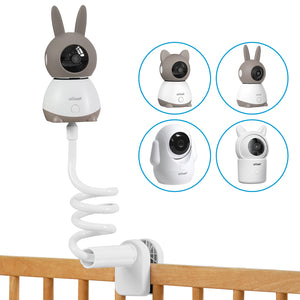
Cameras such as ieGeek ZS‑GX4S and ZY‑G1 provide flexible monitoring options that complement mechanical upgrades without heavy rewiring.

Why Are Sliding Doors More Vulnerable Than Standard Doors?
Common Weaknesses of Sliding Glass Doors
One of the most common concerns with sliding glass doors is the large glazed panel itself. Although modern toughened or laminated glass is considerably stronger than standard glass, older installations may still use glazing that is easier to damage. Large glass surfaces can also create the perception that the door is easier to force than a solid entrance door, particularly when valuables are visible from outside.
The locking mechanism is another area worth examining. Many older patio doors rely on a single-point latch that provides limited resistance against forced entry. Over time, frequent use can also cause rollers, tracks and frames to become misaligned, preventing the lock from engaging fully. In some cases, worn rollers allow the door to move excessively, creating small gaps that reduce overall security. Regular inspection and maintenance are therefore just as important as installing stronger hardware.
Common Entry Methods Used by Burglars
Contrary to popular belief, most burglars do not rely on sophisticated techniques. Instead, they often look for the easiest available opportunity. An unlocked sliding door, a worn lock or an easily accessible rear entrance is typically more attractive than attempting to defeat a well-secured property.
Forced lifting is one method sometimes associated with older sliding doors. If there is excessive clearance between the door and its track, an intruder may attempt to lift the panel to disengage the locking mechanism. Modern anti-lift blocks and properly adjusted rollers largely eliminate this risk, but older installations should still be inspected to ensure the door cannot be removed while locked.
Another common tactic involves exploiting damaged or poorly maintained locks. If the locking mechanism no longer aligns correctly with the frame, applying pressure may be enough to force the door open. Opportunistic burglars may also target homes where doors are accidentally left unlocked while residents are working in the garden or during warm weather. These situations reinforce the importance of combining good daily habits with reliable physical security.
It is also important to remember that not every sliding door presents the same level of risk. Newer patio doors that incorporate multi-point locking systems, reinforced frames and laminated glazing generally provide a much higher level of protection than older models. Understanding the age and condition of your existing installation is the first step towards choosing the most appropriate upgrades.
Assess Your Sliding Door Security Before Upgrading
|
Security Check
|
Why It Matters
|
|
Does the door lock smoothly without sticking?
|
A stiff or misaligned lock may not engage fully.
|
|
Can the door be lifted noticeably within the frame?
|
Excessive movement may indicate worn rollers or insufficient anti-lift protection.
|
|
Is the frame firmly fixed with no visible gaps?
|
Loose frames reduce the effectiveness of even high-quality locks.
|
|
Is the glass in good condition with no cracks or chips?
|
Damaged glazing should be repaired promptly to maintain structural integrity.
|
|
Is the area outside well lit at night?
|
Good lighting increases natural surveillance and discourages concealment.
|
|
Can you clearly see the patio door from inside the house?
|
Better visibility helps occupants notice unusual activity earlier.
|
|
Is the entrance monitored by a security camera or alarm sensor?
|
Early detection can discourage intruders before entry is attempted.
|
If two or more of these areas require attention, improving your sliding door security is likely to provide meaningful benefits. Some issues, such as cleaning tracks or adjusting rollers, are inexpensive maintenance tasks, while others—such as replacing worn locks—may justify a longer-term investment.
When carrying out this assessment, consider how your family actually uses the door. For example, households that frequently access the garden, have children playing outdoors or own pets may use the patio entrance more often than the front door. Higher daily use naturally leads to greater wear on locks and rollers, making regular inspection especially important.
Install a Stronger Lock for Sliding Glass Doors
Upgrading the locking mechanism is one of the most effective ways to improve sliding door security. While many factory-installed locks provide a basic level of protection, additional locking devices can make forced entry significantly more difficult. The best solution depends on the age of the door, its frame material and how frequently the entrance is used.
Rather than focusing solely on price, homeowners should choose a lock for sliding glass doors that offers reliable resistance, smooth operation and compatibility with the existing door system. In many cases, combining two different locking methods provides better protection than relying on a single latch.
Types of Locks
What to Look for When Choosing a Lock
Not every replacement lock is suitable for every sliding door. Before purchasing, confirm that the lock is compatible with your door's frame material, whether it is uPVC, aluminium or timber. Choosing a poorly matched product may reduce security or affect the smooth operation of the door.
Remember that even the strongest lock performs best when correctly installed and maintained. If the door no longer aligns properly with the frame or the rollers have become worn, replacing the lock alone may not fully resolve the problem. Addressing both the locking mechanism and the overall condition of the door will provide a more reliable and longer-lasting improvement to home security.
Add CCTV to Protect Sliding Door Entry Points
Why Cameras Are Effective Even Before a Break-in?
The greatest advantage of CCTV is not simply recording crime—it is helping prevent it. Most opportunistic burglars prefer properties where they can work unnoticed. A clearly visible camera overlooking a patio entrance increases the likelihood that suspicious behaviour will be detected or recorded, making the property a less attractive target.
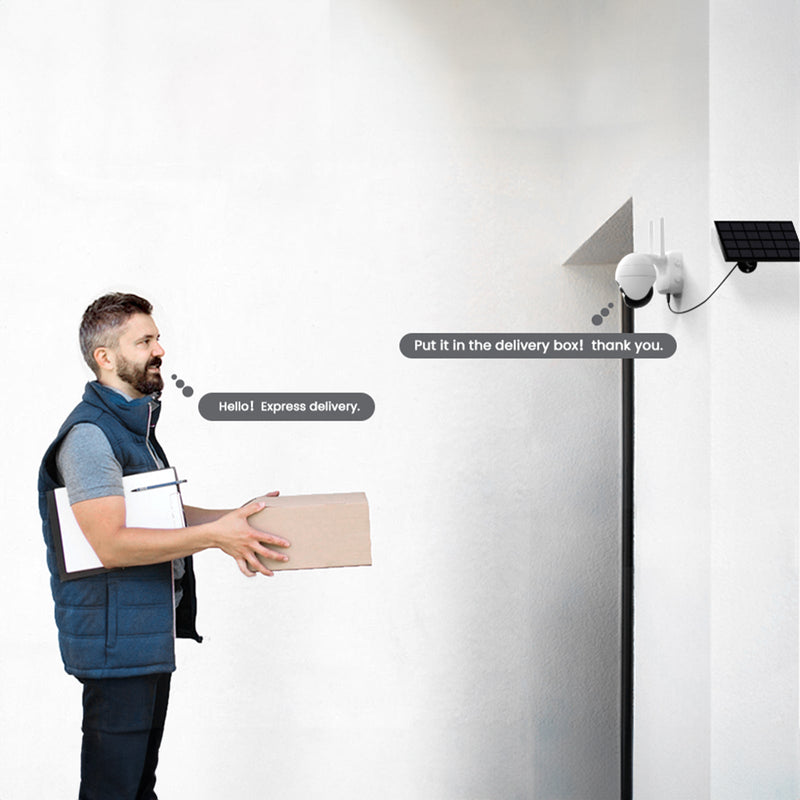
Smart notifications also allow homeowners to respond sooner. Rather than discovering an attempted break-in hours later, a connected motion sensitive camera can send an alert as soon as someone approaches the patio door, allowing occupants to check live footage or take appropriate action. Early awareness is particularly valuable for rear entrances that cannot easily be seen from inside the house.
For households wanting continuous monitoring around frequently used entrances, a solution such as the ieGeek S7 Wireless 24-Hour Recording Camera offers continuous recording rather than relying solely on motion events. This approach can be particularly useful for busy garden areas where understanding the full sequence of events is important.

Best Camera Locations
-
Above the patio door looking towards the garden
-
Under roof eaves overlooking outdoor seating areas
-
Covering side gates that provide access to the rear garden
-
Facing pathways leading towards conservatories or extensions
-
Monitoring detached garages connected to the garden
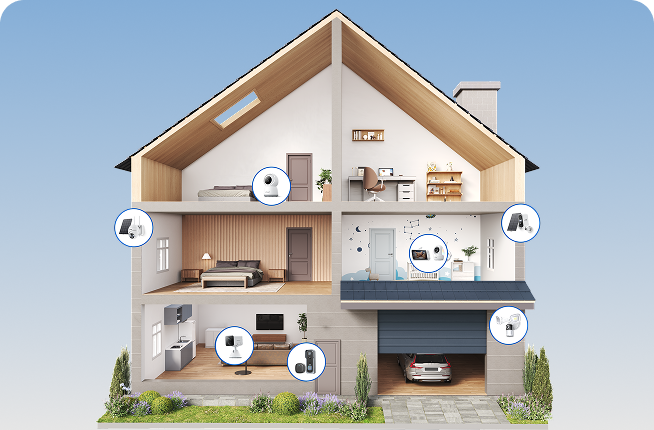
Where wider coverage is required, a 360 security camera can reduce blind spots by monitoring multiple directions from a single installation point. Larger gardens or properties with several access routes may also benefit from a PTZ camera, allowing users to remotely adjust the viewing angle and track activity across a broader area.
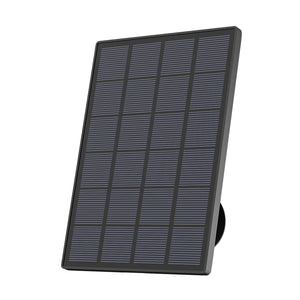
Properties without convenient mains power near the patio can also consider solar-powered cameras. For example, the ieGeek ZS-GX4S 5MP Solar Security Camera is well suited to garden installations where running electrical cables would be difficult, while its weather-resistant construction makes it suitable for year-round outdoor use.

Features Worth Considering
Sliding Door Security Tips for Different Types of Homes
Ground-floor Flats
Detached Houses
Semi-detached Homes
Rental Properties

Sliding Door Security Maintenance Checklist
| Maintenance Task | Recommended Frequency |
| Check that locks engage smoothly | Every 3 months |
| Clean the sliding track and remove debris | Every 3 months |
| Inspect rollers for wear or damage | Every 6 months |
| Test anti-lift devices and security bars | Every 6 months |
| Check door alignment and frame condition | Every 6 months |
| Clean CCTV camera lenses | Monthly |
| Test motion alerts and notifications | Monthly |
| Inspect outdoor lighting | Monthly |
| Review recorded camera footage periodically | Monthly |
Seasonal weather can also affect sliding doors. During winter, moisture and debris may accumulate in tracks, while prolonged exposure to sunlight during summer can gradually affect seals and external fittings. A few minutes of preventative maintenance each season can help avoid larger repairs later.
If you notice persistent sticking, unusual movement or difficulty locking the door, investigate the cause promptly rather than forcing the mechanism. Addressing small issues early often prevents more expensive repairs and maintains the effectiveness of your security measures.
FAQs
What is the best way to secure a sliding glass door?
What is the best lock for sliding glass doors?
Can burglars lift sliding doors off their tracks?
Are security cameras effective for protecting sliding doors?
How often should I inspect my sliding door security?
Can sliding doors be secured without drilling?
Conclusion
Securing a sliding patio door is rarely about one single product. The most effective approach combines several complementary measures, including reliable locks, anti-lift protection, regular maintenance, good outdoor lighting and smart surveillance. Together, these layers make a property more difficult to access while increasing the likelihood that suspicious activity will be noticed before an intruder reaches the door.
Whether you are protecting a family home, a ground-floor flat or a rental property, the best sliding door security solution is one that matches your property's layout, daily routine and budget. By combining physical protection with proactive monitoring, you can improve both home security and everyday peace of mind. If you're considering expanding your home security system, exploring reliable outdoor camera solutions from ieGeek can be a practical next step alongside upgraded door hardware.
Author Intro
 |
Developed by the ieGeek content team, combining hands-on experience with smart devices and insights into real user needs. ieGeek is widely known for smart security, our solutions are also designed for a variety of real-life scenarios, including travel, outdoor monitoring, pet care, and family safety. We focus on delivering simple, dependable solutions that fit seamlessly into daily life. |