



Construction sites can contain thousands of pounds' worth of tools, plant, machinery and materials while still relying on temporary fencing, site hoarding, changing access points and limited supervision outside normal site hours. That combination can make theft and vandalism difficult to prevent with a single security measure.
Effective construction site security starts with controlling access, protecting valuable tools, plant and materials and making suspicious activity easier to detect. This guide explains why sites are vulnerable, how cameras and physical security can work together, how to build a practical security plan and what to do after an incident.
Key Takeaways
- Construction sites are most vulnerable where valuable tools, materials and plant are combined with temporary perimeter gaps and limited out-of-hours supervision.
- Portable tools and materials should be locked away, plant and machinery properly secured, and temporary gates, fencing or hoarding changes checked before the site is left unattended.
- Cameras should focus on entrances, perimeter gaps, tool stores, material compounds and plant parking areas, while also covering the routes people and vehicles use to approach and leave these locations.
- Choose the ieGeek S11 for sites without Wi-Fi or fixed power, the ieGeek ZY-G4 when 4G connectivity and AOV 24/7 recording are needed, and the ieGeek ZY-E2 for powered locations that need continuous recording, strong floodlighting and an audible alarm.
- If theft or vandalism occurs, secure the area, document losses or damage, save relevant footage before it is overwritten, report the incident to the police where appropriate and review how access was gained.

Why Construction Sites Are Vulnerable to Theft and Vandalism
Risk on a construction site changes throughout a project. A cleared site may initially contain only plant, machinery and temporary site cabins, while later stages can bring copper cable, power tools, heating equipment and other materials into partially completed buildings.
Valuable Assets Are Left On-Site
Construction work depends on equipment that is expensive, portable or easy to resell. Power tools may disappear within minutes, while generators, fuel, cable and building materials can also attract thieves.
Common targets include:
- Power tools and specialist equipment
- Copper wire, cable and metal
- Fuel and generators
- Building materials
- Excavators and other construction plant
A cable delivery left beside an unfinished building overnight may be far easier to steal than the same material stored in a secure compound or locked container. Machinery creates another risk because theft can cause both replacement costs and delays to the construction programme.
Temporary Perimeters Leave Access Gaps
Unlike a completed warehouse or office, a construction site rarely has a fixed security boundary throughout the entire project. Temporary fencing and site hoarding may be moved to allow deliveries, gates can remain open during working hours and temporary access routes may appear as work progresses.
A section of fencing removed for an excavator can create a convenient entry point later that evening if it is not secured again. Mud, uneven ground and changing site layouts can also make some perimeter areas harder for staff to inspect consistently.
Sites Have Less Supervision Outside Normal Working Hours
Busy sites may have dozens of site operatives, tradespeople, subcontractors and delivery drivers present during the day but become almost empty at night. Weekends and bank holidays can leave even longer periods with little direct supervision.
This difference matters because suspicious activity may continue for several minutes before anyone notices it. Vandalism can also occur without an obvious theft: damaged machinery, broken windows, graffiti or deliberately destroyed materials can still interrupt the project and increase costs.

How to Prevent Theft and Vandalism on a Construction Site
No single device can secure an entire building site. Effective security in construction sites relies on physical barriers, asset protection, lighting and security cameras that support one another.
Secure the Perimeter and Control Access
A strong perimeter makes unauthorised entry more difficult and directs legitimate workers through controlled points. Temporary fencing and hoarding should be checked for gaps, loose panels, damaged sections and areas where nearby objects could be used to climb over them.
Managing site access is easier when the number of entrances is limited. Vehicle gates can be closed outside delivery periods, while worker access can be controlled through keys, cards, site passes, sign-in procedures or supervised entrances.
Changes made during the day also need attention. When a contractor temporarily removes a fence panel for a delivery, restoring that section should form part of the end-of-shift or site-closing inspection rather than being left until the following morning.
Protect Tools, Materials and Machinery
High-value items should not remain scattered across the site after work ends. Lockable containers, secured storage rooms and plant immobilisation measures can make theft slower and more difficult.
Asset registers add another layer of protection. Serial numbers, photographs and equipment markings can help identify missing items and support insurance claims or police reports.
On a project where several subcontractors use similar power tools, an asset register organised by subcontractor or work package can also make it easier to determine whether equipment is genuinely missing instead of simply being moved elsewhere on the site.
Improve Lighting and Visible Deterrence
Poorly lit corners can provide cover around storage areas, site cabins and vehicle entrances. Lighting these locations increases visibility for workers, security personnel and cameras while making unauthorised activity more noticeable.
Warning signs, visible cameras and secured gates also signal that the site is actively managed. Lighting should still be positioned carefully so that intense glare does not obscure camera images or cause unnecessary disturbance to neighbouring homes or businesses.
A material yard beside a dark access road may benefit more from targeted lighting around the gate and storage zone than from illuminating the entire site at the same intensity.

Use Security Cameras for Early Detection and Evidence
Construction site security cameras are most useful when they cover a defined risk and someone is responsible for acting on alerts. Prioritise entrances, perimeter gaps, tool stores, material compounds and plant parking areas, then check whether the same cameras also show the approach and exit routes. A PTZ camera can inspect a wide area, but it looks in only one direction at a time, so a moving PTZ view should not leave a critical gate unrecorded.
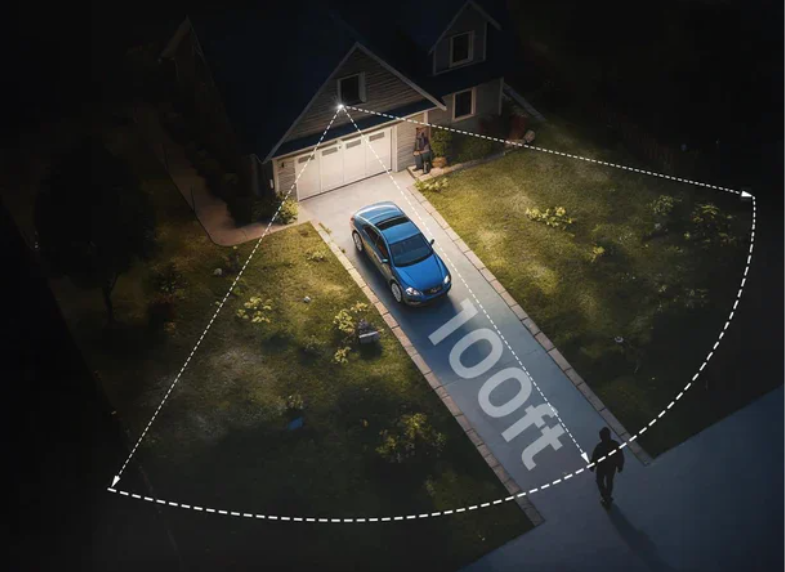
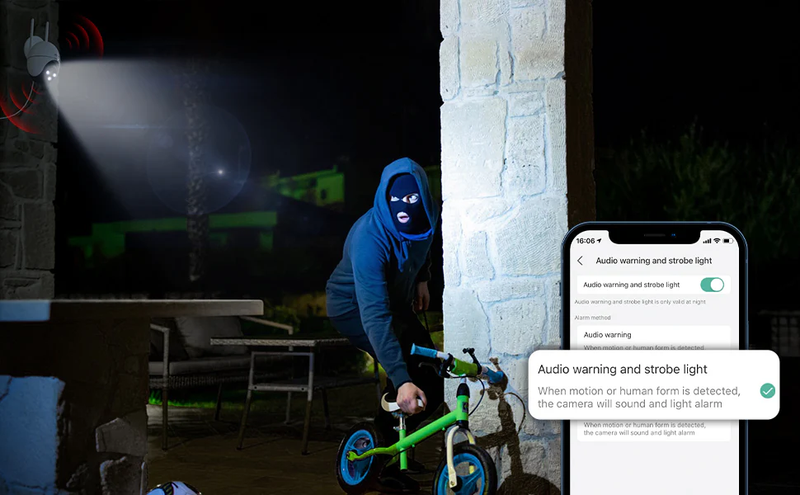
Person and vehicle detection can alert staff before someone reaches a protected area. Depending on the camera, lights, sirens or two-way audio may also provide an immediate warning, while recorded footage can preserve the approach route, activity on the site and direction of departure.
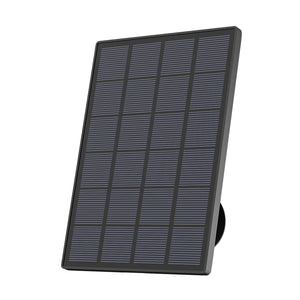
A site still in its early stages may have neither fixed broadband nor a convenient power supply. The ieGeek S11 4G LTE camera is designed for this type of off-grid deployment, using 4G LTE rather than Wi-Fi together with solar and battery power. PTZ coverage allows a larger open area to be viewed remotely, while four LED lights can improve visibility after dark. Reliable local 4G coverage and sufficient sunlight should be checked before installation.

A remote machinery compound may need more than short event clips. The ieGeek ZY-G4 4G 24/7 recording camera combines 4G LTE with AOV 24/7 continuous recording, making it better suited to following an event from approach to departure. It records at up to 2304 × 1296 resolution and 15fps, supports 355° horizontal and 90° vertical PTZ control, and includes person and vehicle detection. A 9000mAh battery, solar charging and MicroSD support up to 512GB are useful for remote deployment, although continuous recording places heavier demands on battery power and storage than event-only recording.
Where permanent power and stable Wi-Fi are already available, a fixed high-risk position may need a different setup. The ieGeek ZY-E2 5MP outdoor security camera combines a 5MP security camera with a 2600-lumen floodlight and a 110dB alarm. Hardwired power supports 24/7 recording, making it suitable for a main gate, warehouse entrance or open material yard that requires long-term monitoring. Its lighting can also improve visibility in areas where workers or vehicles regularly enter after dark.
How to Create a Construction Site Security Plan
A security plan should reflect the actual layout and working conditions of the site rather than applying the same controls everywhere.
Step 1: Assess Site Risks
Start by identifying what is most likely to be stolen or damaged and where unauthorised access is easiest. Plant, fuel stores, cable deliveries, unfinished buildings and isolated corners may carry different levels of risk.
Past incidents on the site or in the surrounding area can also reveal patterns. Repeated fence damage beside one road, for instance, may indicate that this side of the site needs stronger physical protection and closer monitoring.
Consider how the site is approached as well. Footpaths, service roads, neighbouring land, railway lines or poorly overlooked boundaries may provide easier access than the main entrance.
Step 2: Match Security Measures to Each Risk
Different risks require different controls. Portable tools may belong in locked containers, while heavy plant may need immobilisation, tracking and camera coverage. A dark entrance could require lighting as well as video monitoring.
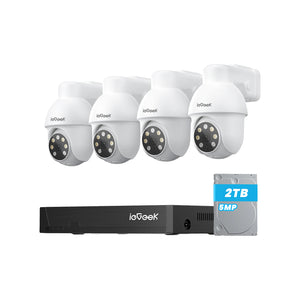
Connection and power should also influence camera selection. A remote section beyond Wi-Fi coverage may need a 4g security camera with an active SIM, suitable data plan and adequate local signal. Where mains electricity is unavailable, solar charging may reduce maintenance, provided the panel receives enough light. A permanent gate or store with mains power may be better suited to a continuous recording security camera when a complete timeline matters.
Step 3: Assign Daily Checks and Alarm Response
Security equipment has limited value if nobody is responsible for checking it. Daily routines should cover gates, fencing, locks, lighting, camera status and unusually exposed materials.
Alert response should be agreed in advance. Staff need to know who receives camera notifications, who can confirm whether activity is legitimate and when the police, security provider or site management should be contacted.
Step 4: Review the Plan as Construction Progresses
Security needs change as buildings, scaffolding, storage areas and access routes move. A camera that covered an open yard in the first month may later have its view blocked by containers or a newly constructed wall.
Regular reviews help identify these new blind spots. PTZ camera coverage, fixed camera positions, lighting and access controls can then be adjusted as the project changes instead of remaining fixed around an outdated site layout.
What to Do After Construction Site Theft or Vandalism
The first priority is to keep the area safe, preserve useful evidence and work out how the site was accessed. The following steps can help:
-
Secure the area and avoid disturbing evidence. Keep unnecessary people away from the affected location, especially if locks, doors, vehicles or tools appear to have been handled.
-
Document what is missing or damaged. Take photographs, check equipment records and note serial numbers, access logs or delivery records that may help establish what happened.
-
Save relevant camera footage. Preserve recordings from before, during and after the incident before they are overwritten, especially when MicroSD camera storage is used. Footage showing the entry route, activity around the assets and direction of departure may be particularly useful. If several cameras cover the area, save footage from each one rather than only the camera nearest the missing equipment.
-
Report the incident and review the weak point. Contact the police and your insurer where appropriate, then examine how access was gained. Keep any crime reference number and supporting records that may be required for an insurance claim. A stolen generator may point to an unsecured gate, an unmonitored access road or equipment stored too close to the perimeter. Correcting that weakness can reduce the chance of the same route being used again.
FAQs
What is most commonly stolen from construction sites?
Power tools, copper cable, fuel, generators, building materials and construction plant are common targets because they can be valuable, portable or resold. The exact risk depends on the type and stage of the project.
Do construction site security cameras need Wi-Fi?
No. 4G LTE cameras can connect through a mobile network instead of site Wi-Fi, which is useful during early construction or at remote compounds. The location still needs adequate mobile signal and a suitable data connection.
Can solar security cameras record all night?
They can operate after dark using energy stored in the battery, but recording duration depends on battery capacity, sunlight, recording mode, temperature and activity levels. Continuous recording generally uses more energy than event-triggered recording, so the system should be tested under real site conditions.
Are security guards necessary if cameras are installed?
Not always, but cameras and guards perform different roles. Cameras can detect, record and alert, while security personnel can physically inspect the site and respond in person. Higher-risk projects may benefit from using both rather than treating one as a complete replacement for the other.
Who is responsible for construction site security?
On a UK project involving more than one contractor, the principal contractor must plan, manage, monitor and coordinate the construction phase and take reasonable steps to prevent unauthorised access. Contractors must follow the relevant site arrangements and control risks arising from their own work. Contracts can assign operational tasks such as gate checks, key control or alarm response, but they do not remove the legal duties described in HSE guidance on site access.
Conclusion
Construction site security works best as a combination of controlled access, secure storage, lighting, regular checks and well-positioned monitoring. The greatest risks often appear where valuable assets meet weak boundaries or long periods without supervision.
As the project develops, the security arrangement should develop with it. Rechecking access points, storage areas and camera coverage can close new gaps before they become opportunities for theft or vandalism.
About the Author
 |
Written by the ieGeek team, a brand dedicated to making smart security simple and accessible for everyone. With experience in designing easy-to-install security cameras, we aim to provide practical advice based on real user scenarios. Our goal is to provide reliable, easy-to-use technology that helps users stay connected and protected in different environments. |