



A vacant property can face different risks from an occupied home because problems may go unnoticed for longer. A forced gate, broken window, water leak or unfamiliar vehicle may not be spotted until someone visits days later. That’s why prevention and regular checks matter.
Effective vacant property protection combines physical protection, maintenance, lighting, remote monitoring and regular checks. This guide covers the main risks facing empty homes and practical ways to keep them secure while nobody is living there.

Key Takeaways
- Post piling up, unmoved bins and an overgrown garden can reveal that a property is unattended. Keeping these details under control reduces obvious signs of long-term vacancy.
- Regular checks should cover both security and property condition. Check doors, windows, gates and locks, collect post, look for leaks or weather damage, and keep gardens and outdoor areas maintained.
- Front entrances, side gates, driveways and garages should be priority areas for monitoring, as they are common approach and access points around an empty home.
- Many UK home insurance policies change their conditions after around 30–60 days of continuous vacancy, so check your own policy’s unoccupancy conditions before leaving the property empty for longer.
- If there are signs of a break-in and someone may still be inside, do not enter the property. Move to a safe place and call 999; if the intruder has left, report the incident and avoid disturbing possible evidence.
Why Vacant Properties Face Higher Security Risks
The main risks usually come from unauthorised access, visible signs that the home is unattended, and property damage that can lead to further problems if left unaddressed.
Burglary and Vandalism
An empty home may attract burglars because there is less chance of someone interrupting them. It can also be more vulnerable to vandalism when there is no one nearby to notice or quickly report the damage.
Visible Signs of Vacancy
Small details can give away that a home is empty. Post building up behind the door, bins that never move, an overgrown front garden and curtains that stay unchanged for weeks can all be signs that a house is being watched or that nobody is living there.
When these signs persist, the property can appear predictably unattended, giving someone more opportunity to observe it or approach without being noticed. Suspicious activity may also go undetected for longer when no one checks the property regularly.
Unnoticed Property Damage
Not every risk comes from an intruder. Storm damage, leaking pipes, blocked gutters or a broken window can become more serious when no one is present to notice them. A small water leak on Monday may remain undiscovered until a weekend visit, by which point flooring or plaster could already be affected.
How to Protect a Vacant Property
There’s no single solution to every risk, so effective vacant property protection usually takes a combination of measures, including physical security, lighting and outdoor security cameras.
Secure Entry Points
Weak locks, loose frames and poor front door security can make an empty property easier to enter. Before a long vacancy:
- repair damaged locks, catches and door or window frames;
- keep side gates, sheds and garages locked;
- reinforce weak fencing or loose panels;
- change locks if former tenants or contractors may still have keys, where you are entitled to do so;
- leave spare keys with a trusted person rather than hiding them outside.
Police.uk also recommends securing doors, windows, side gates, sheds and garages before leaving a property unattended.
Reduce Signs of Vacancy
Even when nobody’s living there, the house should still look cared for. Collecting post, trimming lawns, bringing bins back in after collection and using timer-controlled lamps can help prevent obvious signs of neglect. For a house left empty between tenants, regular post collection and basic garden care can stop an overflowing letterbox or overgrown front garden from making the vacancy too obvious.
Add Lighting and Visible Deterrents
A vacant property with dark entrances and no visible security measures can give intruders more opportunity to approach and test gates, doors or windows unnoticed. Motion-activated lighting can expose movement around driveways, garage entrances and side passages, while an audible alarm can draw attention when suspicious activity is detected.
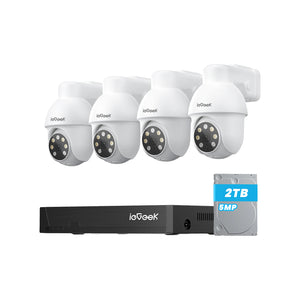
Lighting can also work alongside video monitoring in areas that need closer oversight. The ieGeek ZY-E2 floodlight camera is well suited to fixed areas such as a driveway or garage entrance with a suitable mains supply, where its 2600-lumen floodlight can illuminate a wider outdoor area when activity occurs. It also supports 24/7 recording, so you can review what happened while you were away, while the 110 dB alarm adds an audible warning when a stronger deterrent is needed.

Monitor Entrances and Outdoor Areas
Front entrances, side gates, driveways and garages are common access points around an empty property. When using CCTV for vacant property monitoring, these are useful areas to cover because you can see who approaches and check activity without visiting in person.
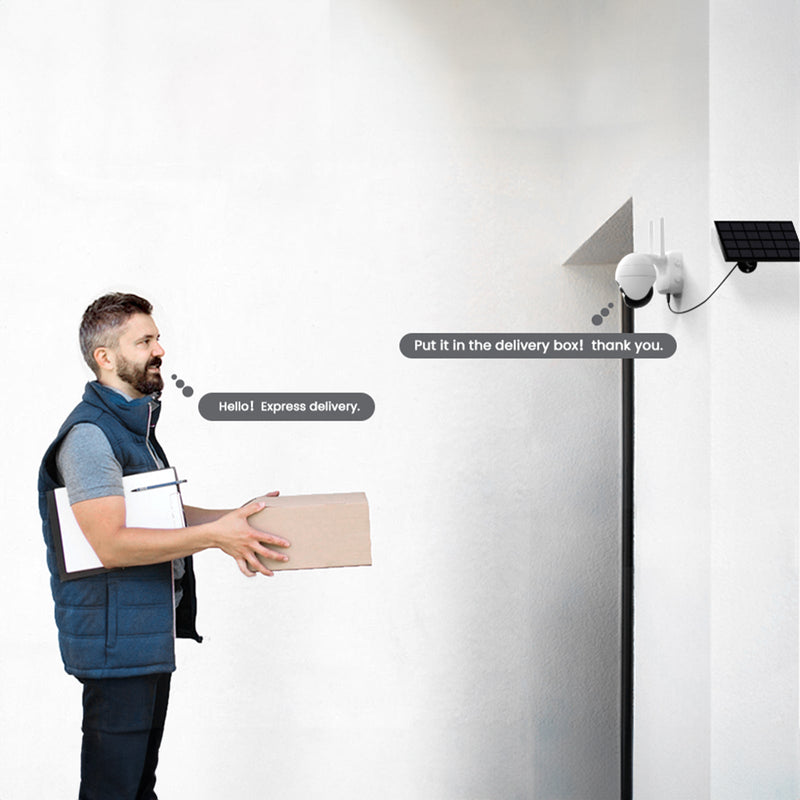
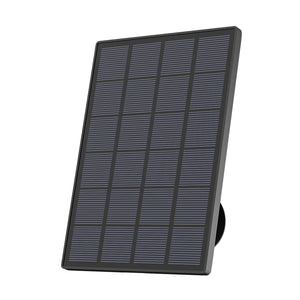
In wider areas such as driveways and gardens, recording across the day can provide more context than short motion-triggered clips. The ieGeek S7 wireless 24/7 recording camera supports AOV recording and remote pan-and-tilt control, making it possible to review activity over time and view different parts of the area. Solar power supports longer-term outdoor monitoring when sufficient sunlight is available, while recorded footage can be stored locally on cards of up to 256GB.
Maintain Monitoring Without Home Wi-Fi
Broadband may be cancelled when a property is left empty for several months, but you may still want to check the driveway or entrances remotely. In this situation, monitoring needs a connection that does not depend on the property's home Wi-Fi.
A 4G setup can fill that gap where mobile coverage is available. The ieGeek ZY-G4 4G 24/7 recording camera connects through 4G LTE and supports AOV recording, solar power and 360° PTZ, making it more practical for long-term vacant homes, renovation properties or holiday homes without active broadband. Recordings can also be stored locally on cards of up to 256GB.

Keep the Property Checked While It Is Empty
Even with cameras and alarms in place, an empty property still needs regular checks. A visit can reveal damage, maintenance issues or security problems that you might miss on camera.
Arrange Regular Checks
Set a regular inspection schedule based on your insurer’s requirements and how long the property will remain empty, even if 4G security cameras are used for remote monitoring. A trusted neighbour, relative or property manager can check doors and windows, collect post, look for leaks or weather damage, and keep an eye on the general condition of the exterior. Insurance requirements should also be reviewed, as some policies set conditions for heating, water supplies and inspection records.
Maintain Security Devices
Check cameras, alarms and outdoor lights regularly to make sure they’re still working properly. Camera angles, power, network connections, lenses and solar panels may all need attention, particularly during short winter days or after storms and building work.
Respond to Problems Quickly
Problems found during an inspection or through remote monitoring should be dealt with promptly. If there are signs of a break-in and the intruder may still be inside, do not enter the property; move to a safe place and call 999. If the intruder has already left and there is no immediate danger, report the incident online or call 101, and avoid disturbing anything that may be useful as evidence. Damaged locks, windows or gates should then be repaired when the police advise it is appropriate, to secure the property again.
FAQ
How do you manage a vacant property?
Managing a vacant property is mainly about making sure someone is responsible for it while it’s empty. Decide who can access the property, who should be contacted if a problem is found, and how post, utilities, insurance and maintenance will be handled during the vacancy. Keeping these arrangements organised can make it easier to respond when something changes.
How long can a house be left unoccupied?
The period allowed under your home insurance depends on your policy. Many UK policies change or restrict cover after around 30–60 days of continuous vacancy, so check the unoccupancy period in your own policy before leaving the home empty for longer.
What is the law on empty houses in the UK?
Rules depend on where the property is located and its circumstances. In England, councils can charge an Empty Homes Premium once a property has been empty and substantially unfurnished for at least one year. Different arrangements apply elsewhere in the UK, and exceptions or exemptions may apply.
Does leaving a light on at night deter burglars?
A light can increase visibility, but leaving the same lamp on every night doesn’t necessarily make the house look occupied. Timer-controlled indoor lights and motion-activated outdoor lighting can create more useful changes in lighting while also making entrances or side areas easier to see after dark.
Are there any home security systems that don't require a subscription?
Yes. Some cameras can store footage locally rather than relying on a paid cloud plan, which can be useful for a vacant property that needs long-term monitoring. The ieGeek S7 and ieGeek ZY-G4 both support local storage of up to 256GB, while the ieGeek ZY-G4 can also use 4G connectivity where home Wi-Fi is not available. Remote access requires a working internet or mobile data connection, with mobile data costs applying to a 4G setup.
Conclusion
The best way to protect a vacant property is to focus first on the areas most likely to create problems: weak entry points, obvious signs of vacancy and places that are difficult to check in person. Regular visits and secure entry points form the basis of protection, while longer vacancies can benefit from lighting, continuous monitoring or a 4G connection where home Wi-Fi is unavailable. Whatever setup you use, the aim is to catch problems early and put them right before they become more serious.
About the Author
 |
Created by the ieGeek editorial team, drawing on hands-on product experience and ongoing research in Smart Security solutions. As a brand focused on simple, reliable, and affordable wireless security systems, ieGeek combines practical insights with real-world use cases to help users make informed decisions. |