



Moving house is about much more than packing boxes and hoping for the best. From booking removals and sorting bills to updating your address and setting up your new home, there's quite a lot to remember.
But the good news is that this UK moving home checklist covers everything from 6-8 weeks before moving day through to your first few weeks in the new property. We'll walk through packing, admin, moving-day essentials, and getting ready to settle in.

Key Takeaways
- Book removals as early as possible, especially if you're moving during school holidays or over a weekend.
- Declutter before you pack to save time, money, and the frustration of moving things you don't actually want.
- Set up utility transfers and broadband in advance to avoid arriving at a house with no internet and hoping to get one installed within the coming month.
- Take photos of meter readings at both properties. It only takes a minute and can save a lot of hassle later.
- Keep an essentials box with things like chargers, medication, toiletries, bedding, and of course, tea-making supplies.
- Remember that changing your address isn't a one-click job - banks, DVLA, Council Tax, subscriptions, and delivery apps all need updating.
6–8 Weeks Before Moving Day
This is the planning stage. A little effort now can save a lot of stress later.
Set Your Moving Plan
Start by confirming your likely moving date and setting a rough budget.
Decide whether you'll use a removals company, hire a van yourself, or call in favours from friends and family. If you are moving out of a small flat, you may not need much preparation; but if you have a big family, more moving support, or even temporary storage will need to be considered.
It's also worth thinking about any work you'd like done before moving in. Decorating, replacing flooring or sorting electrical work is usually much easier while the property is still empty.
If you're planning to install outdoor equipment such as the ieGeek ZY-E2 floodlight camera, this is a good time to think where it will go. Its 5MP camera and 2600-lumen floodlight combine outdoor monitoring and lighting in one unit, making it great for darker entrance or parking areas. Planning ahead means fewer holes drilled and fewer headaches later on.
Book Removals or Transport
Once your date is in the calendar, book your transport.
Good removal companies can fill up weeks in advance, especially during weekends and school holidays. Booking early gives you more choice and better prices.
However, before committing, check what's included. Some companies offer packing services, furniture dismantling and storage options, while others only handle transport. If you're hiring a van, think about how much space you'll need. Most people underestimate. Parking restrictions or limited lift access need to be considered as well, as they may affect the schedule or transport arrangements.
Declutter Before Packing
One of the easiest ways to make moving simpler is to pack less. If you haven't used something for years, are you really going to start using it after moving?
This is the perfect time to clear out clothes you no longer wear, extra kitchen gadgets, old paperwork, broken electronics, and the drawer full of random things nobody dares throw away. Sell, donate, recycle or dispose of anything you no longer need. Your future self will thank you when unpacking takes half the time.
2–4 Weeks Before Moving Day
With the big plans in place, it's time to focus on admin and packing.
Arrange Utilities and Insurance
Contact your gas, electricity and water suppliers and let them know your moving date. If you're changing broadband provider, or need a new installation, arrange it as early as possible, especially if WiFi security cameras or other connected devices will use the new network. Some appointments can take weeks.
Remember to update your home or contents insurance too, making sure the new address and moving date are correct.
Notify Organisations of Your Move
Start by updating your address with important organizations like banks, insurance providers, employers, schools, GP, and the local council.
Subscriptions, memberships and delivery accounts can follow afterwards. Mail redirection is also worth considering to make sure nothing will be missed.
Packing Room by Room
Don't bounce between rooms. Packing one room at a time is usually quicker and much less confusing. Rooms and storages that are lessly used can be packed first, leaving everyday essentials such as the kitchen, bathroom and primary bedroom until closer to the move.
Be specific and clear when labelling the boxes. You'll definitely appreciate this on the moving day.
The Final Week Before Moving
The finish line is in sight, so now it's all about tying up loose ends and making sure nothing has been forgotten.
Finish Packing and Prepare Essentials
Most belongings can now be packed, but keep one essentials box or bag separate to hold things like phone chargers, toiletries, medication, clean clothes, toilet roll, basic food, and bedding - you may need these on the first evening.
If you're moving with children or pets, keep their favourite toys, snacks and comfort items close by too.
Confirm Moving-Day Arrangements
Double check the agreed arrival time with the removals company or van provider and make sure anyone helping knows when they are needed.
Confirm key collection, parking, building or lift access. If different people are handling the old and new properties, deciding early on who stays for loading and who goes to collect keys can make the day run more smoothly.
Prepare for the Property Handover
Before handing over the keys, carry out one final walkthrough.
| Handover Check | What to Do |
|---|---|
| Keys | Gather keys for all doors, windows, garages, sheds, and communal entrances. |
| Cleaning | Complete any agreed cleaning requirements. |
| Property condition | Take photos of empty rooms as a record for the condition of the property. |
| Remaining belongings | Check cupboards, loft, and outdoor storage before leaving. |
Moving Day Checklist
A practical move home checklist can help you break the moving day into two parts: leaving the old property and settling into the new one. Keeping those tasks in order can make the handover much easier.
Complete Final Checks at Your Old Home
Once everything has been loaded, walk through every room one last time. Check built-in cupboards, loft, garages, sheds, and areas behind doors where small objects can be missed. Make sure windows are closed and complete a final front door security check by confirming that the main entrance and other external doors are properly locked before leaving.
Record Final Meter Readings
Before you hand over the keys, take photos of your gas, electricity, and water meter readings. They will be useful when it comes to closing the accounts.
Do the same when you arrive at the new property. It takes less than five minutes but can save a great deal of confusion when the first bills arrive.
Check Your New Home on Arrival
Before the boxes start piling up in your new home, take a few minutes to check the basics. As part of burglary prevention, make sure doors and windows lock properly, water is running, and electricity works.
It's also worth locating the stopcock, fuse box, and meters straight away. Hopefully you won't need them immediately, but you'll be glad you know where they are if you do. Also, with the layout in mind, larger furniture can then be directed to the correct rooms as it comes off the van.
What to Do After Moving Into Your New Home
The first couple of weeks are all about settling in - setting up everyday essentials, completing address changes, and moving things around to your liking.
Set Up the Basics
Electricity, heating, hot water, and broadband should all be tested after you move in. Check lights, sockets, and taps are working properly, and then connect essential appliances such as the fridge, cooker, and washing machine. Any WiFi security cameras moving with you will also need to be connected to the new network. Any issues are much easier to deal with when discovered early.
Finish Address and Account Changes
Complete any remaining updates. Council Tax can be updated through your local council, electoral registration through GOV.UK, and DVLA records should be changed separately for your driving licence and V5C. Banks, insurers, subscriptions, and memberships can usually be updated through their website or app.
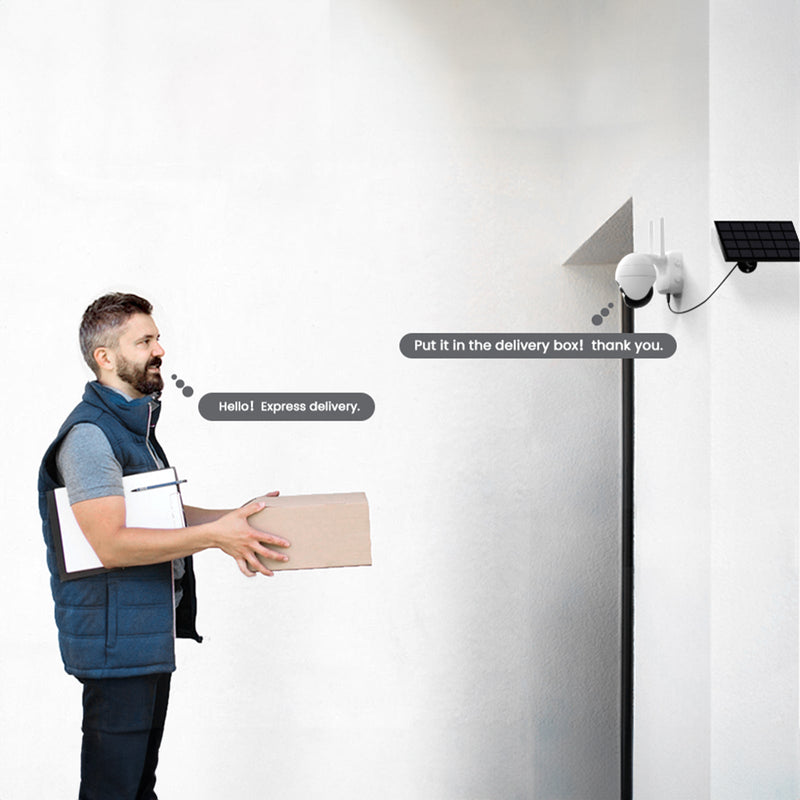
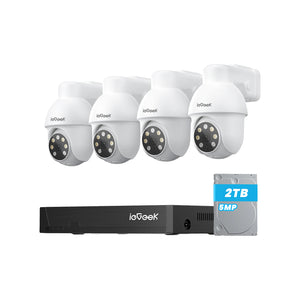
Delivery accounts also need the new address and any updated delivery instructions. If you have a lot of parcels coming during the first few weeks, the ieGeek S7 wireless 24/7 recording camera can record continuously over Wi-Fi, with PTZ viewing and up to 256GB of local storage. This gives you more footage to check when confirming when a parcel arrived or what happened around the entrance or driveway.

Check Home Security
One thing many people overlook after moving is security. The reality is that you never know exactly who might still have a spare key. Consider changing exterior door locks or codes, then check the garage, shed, and outdoor entrances to watch out for wonky locks, poor lighting, or areas that are hard to see from the house.
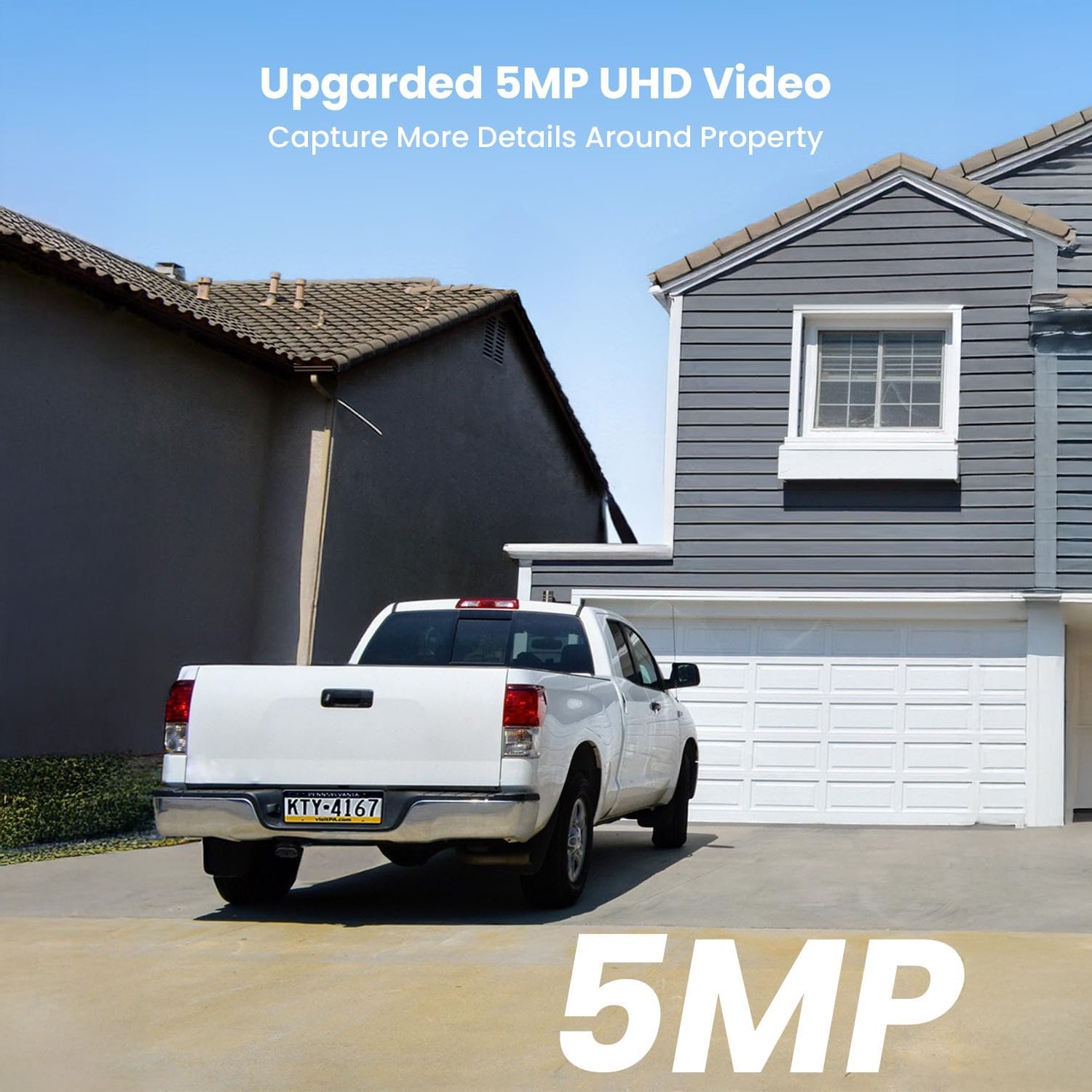
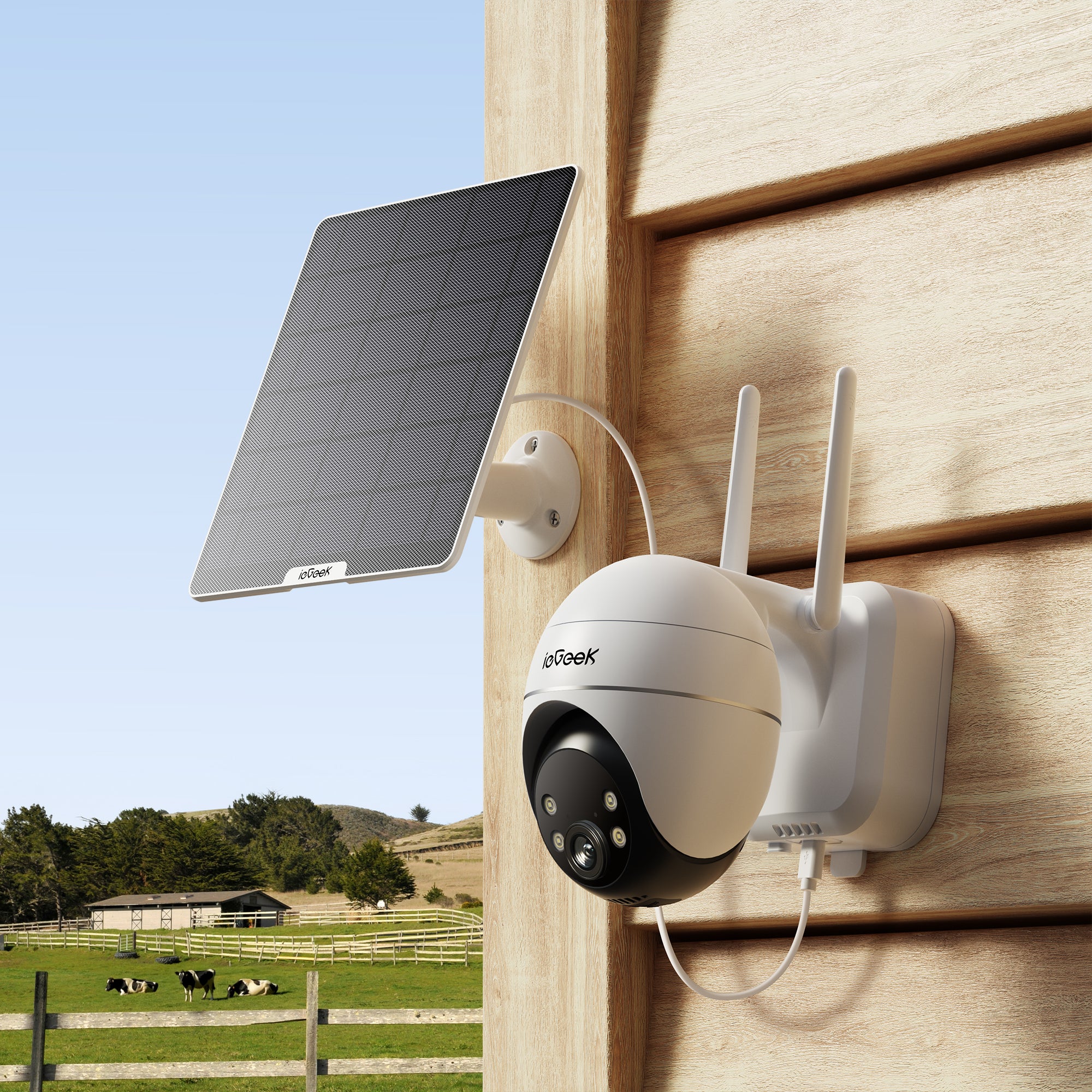
For a larger driveway or front garden that cannot be covered well from one fixed direction, the ieGeek ZS-GX4S 5MP solar security camera provides 5MP video and PTZ adjustment, allowing you to change the viewing direction across different parts of the area. Solar power also gives more flexibility when choosing an outdoor installation position.
FAQ
What is the most forgotten thing when moving?
Address updates, meter readings, spare keys and items left in cupboards, lofts, garages or sheds are among the most commonly forgotten things.
A final walkthrough before leaving can help catch them.
Do I need to empty the chest of drawers when moving?
Check with your removal company first.
Lightweight clothing can sometimes stay in sturdy drawers, but heavy items should be removed to avoid damage and make furniture easier to move.
What admin do you need to do when you move house?
You'll need to update banks, insurance companies, utilities suppliers, employers, GP, subscriptions and delivery accounts. Council Tax, electoral registration, your driving licence, and vehicle documents may also need updating.
What are the common moving mistakes?
Common mistakes include leaving packing until the last minute, not labelling boxes properly, forgetting meter readings, booking services too late, and moving items you don't actually need.
What are some signs that it's time to move away?
It often comes down to whether your current home still suits your lifestyle.
Lack of space, long commutes, accessibility issues, or changing family circumstances are all common reasons people decide it's time for a move.
Conclusion
Moving house will probably never be completely stress-free, but a good checklist for moving home makes a huge difference. Book removals early, sort utilities ahead of time, pack room by room, and keep a separate essentials box for moving day. Don't forget meter readings, address changes and a quick security check as soon as you move in.
And remember, spreading these jobs across the move makes the handover easier and helps you settle into the new property with fewer things left unresolved.
About the Author
 |
Written by the ieGeek team, a brand dedicated to making smart security simple and accessible for everyone. With experience in designing easy-to-install security cameras, we aim to provide practical advice based on real user scenarios. Our goal is to provide reliable, easy-to-use technology that helps users stay connected and protected in different environments. |