




CCTV footage is often the first thing people look for after a break-in, a delivery dispute, a neighbour complaint, or a workplace incident. However, many people still have questions about how CCTV footage is recorded, where it is stored, how long it remains available and who can legally access it.
Understanding these fundamentals is particularly important when choosing a new surveillance system or reviewing existing security arrangements. The quality of security camera footage depends on far more than camera resolution alone. This guide explains how CCTV footage works, how recordings are managed, and what features to consider when selecting a reliable security camera system for homes and businesses across the UK.
Key takeaways
-
CCTV footage is the recorded video, and sometimes audio, captured by a surveillance system. In UK usage, it is often treated as a practical security and evidence tool rather than just a technical output.
-
CCTV footage and security camera footage are closely related terms, but “CCTV” is still the more common label in UK settings, especially for homes, shops, roads, and managed public spaces.
-
In the UK, video surveillance must be lawful, fair, transparent, and proportionate, and organisations should pay close attention to signage, access control, and retention rules.
-
Footage is most useful when time stamps, image quality, continuity, and authenticity are preserved. Poor exports, weak time verification, or over-shared clips can reduce evidential value.
-
Good management matters as much as capture. A clear retention policy, limited access, and secure backups reduce privacy risk and make CCTV footage easier to use when needed.
-
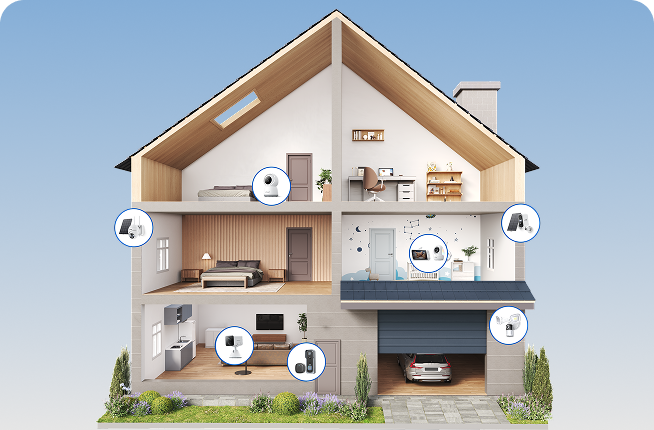
For homes or locations without mains power, wireless and solar options can be a practical alternative, especially where users need flexible installation and outdoor coverage. ieGeek’s wireless security cameras and solar powered security camera ranges fit that use case naturally.

What Is CCTV Footage?
CCTV Footage Definition
Traditionally, CCTV referred to analogue camera systems connected to a dedicated monitor through a closed network. Today, the term also commonly describes digital IP camera systems that transmit and record video over local networks or the internet. Regardless of the technology used, CCTV footage simply means the video captured by these security cameras.
Modern cameras can record continuously, capture footage only when motion is detected, or use artificial intelligence (AI) to recognise people, vehicles or animals before saving video clips. This flexibility allows homeowners and businesses to balance storage requirements with the level of monitoring they need.
What Does "Security Footage" Mean?
| Term | Meaning | Typical Use |
| CCTV footage | Video recorded by CCTV or IP surveillance cameras | Homes, businesses, public spaces |
| Security camera footage | Video captured by any security camera system | Residential and commercial properties |
| Surveillance footage | Recordings used to monitor activity over time | Public areas, transport, workplaces |
| Video evidence | Footage presented during investigations or legal proceedings | Police, insurers, courts |
How Is CCTV Footage Recorded?
Continuous Recording
Motion Detection Recording
Low-Power Always-on Video (AOV) Recording
Always-on Video (AOV) is one of the newest developments in battery-powered security cameras. Unlike traditional continuous recording, which requires a constant power supply and large amounts of storage, AOV uses an ultra-low-power image sensor to capture lightweight preview frames around the clock while keeping energy consumption to a minimum.
When the camera detects meaningful activity, such as a person approaching or a vehicle entering the scene, it automatically switches to full-resolution recording with audio. For users looking for long-lasting battery performance without sacrificing continuous awareness, cameras that support AOV provide an excellent middle ground between motion detection and traditional continuous recording. For example, the ieGeek S7 360 view AOV Camera combines Always-on Video technology with AI-powered human detection, allowing users to enjoy 24/7 scene awareness while maintaining the extended battery life expected from a wireless outdoor security camera.

Where Is Security Camera Footage Stored?
| Storage Method | Advantages | Limitations | Best For |
| MicroSD Card | Affordable, simple installation, no monthly fee | Limited capacity, vulnerable if camera is stolen | Homes, small properties |
| NVR (Network Video Recorder) | Large storage capacity, centralised management, supports multiple cameras | Higher upfront investment | Larger homes and businesses |
| Cloud Storage | Remote access, protects recordings if devices are damaged or stolen | Usually requires a subscription and internet connection | Users needing off-site backup |
| Hybrid Storage | Combines local recording with cloud backup for added resilience | Slightly more complex setup | Properties requiring enhanced reliability |
Many homeowners now choose systems that combine local and cloud storage to reduce the risk of losing important recordings. For example, an outdoor 4G camera setup can continue recording locally even if internet connectivity is interrupted, while cloud backups provide additional protection for important events.
For users seeking flexible installation without extensive cabling, wireless battery-powered cameras such as the ieGeek ZS-GX4S 5MP Solar Security Camera provide a practical solution. Its combination of solar charging, high-resolution recording and smart motion detection makes it well suited for gardens, driveways and other outdoor areas where reliable footage is important without requiring a complex installation.
How Long Is CCTV Footage Kept?
The length of time CCTV footage is retained depends on several practical factors rather than a fixed legal rule. In the UK, there is no universal retention period for all CCTV systems. Instead, recordings are typically kept only for as long as they serve a legitimate purpose, such as protecting property, investigating incidents or meeting business requirements. Storage capacity, recording settings and the number of installed cameras all influence how long footage remains available before it is automatically overwritten.
For homeowners, retention periods usually range from one to four weeks, while businesses with larger storage systems may retain recordings for several months if operationally necessary. Organisations handling personal data should also ensure their retention policies comply with the UK General Data Protection Regulation (UK GDPR) and the Data Protection Act 2018, deleting footage when it is no longer required.
| Recording Setup | Typical Retention Period* | Suitable For |
| 2 cameras with motion recording | 30–90 days | Flats, small homes |
| 4 cameras with mixed recording | 21–45 days | Detached homes |
| 8 cameras with continuous recording | 14–30 days | Shops, offices |
| 16+ camera commercial system | 30–90+ days | Warehouses, commercial premises |
Higher-resolution cameras produce sharper images but also generate larger video files. For example, a 5MP or 4K camera recording continuously will consume significantly more storage than a 1080p camera using AI motion detection. Choosing recording settings that match your security needs helps maximise storage without compromising important evidence.
For remote locations where only significant activity needs to be captured, cameras with intelligent event recording—such as the ieGeek ZY-G1 4G Wireless Camera—can extend storage duration by recording only verified motion events instead of continuous video. This approach is particularly useful for farms, holiday properties and construction sites with limited power or network connectivity.

Who Can Access CCTV Footage?
Homeowners
Business Owners
Police Investigations
Insurance Claims
Can CCTV Footage Be Used as Evidence?
CCTV footage is frequently used as evidence in criminal investigations, civil disputes, insurance claims and workplace incidents. However, not every recording automatically carries the same evidential value. The quality, authenticity and handling of the footage all influence how useful it will be during an investigation or legal process.
In the UK, CCTV recordings can support evidence when they clearly show relevant events and have been retained in their original form. Accurate timestamps, consistent recording settings and secure storage help demonstrate that footage has not been altered. If recordings are exported, keeping the original file alongside any copies is considered good practice, particularly if the footage may later be requested by police, insurers or legal representatives.
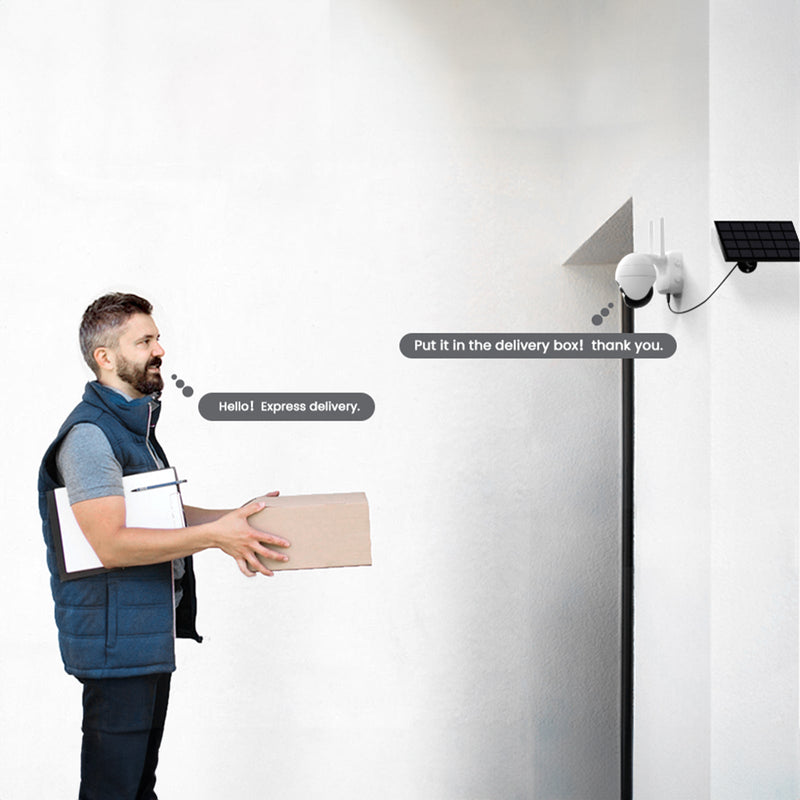
For homeowners, CCTV footage can help verify package theft, trespassing or vehicle damage. Businesses often rely on recordings to investigate shoplifting, workplace accidents or unauthorised access. Insurance providers may also use security footage to establish timelines and confirm the circumstances surrounding a claim.
-
Record in the highest practical resolution for your environment.
-
Ensure camera timestamps are accurate and synchronised.
-
Save the original recording before editing or sharing copies.
-
Retain footage securely to prevent accidental deletion or tampering.
-
Export recordings promptly before automatic overwriting occurs.
Practical Tips to Improve Recovery Success

Common Misconceptions About CCTV Footage
- Myth 1: CCTV footage is stored forever. In reality, most systems automatically overwrite older recordings once storage reaches capacity. Retention depends on available storage, recording settings and the number of installed cameras.
- Myth 2: Every security camera records continuously. Many modern cameras rely on motion detection or AI event recording rather than 24/7 recording. This approach conserves storage and battery power while still capturing important activity.
- Myth 3: Deleted CCTV footage can always be recovered. Recovery is only possible in certain situations. Once recordings have been overwritten by new data, they are generally impossible to retrieve.
- Myth 4: Higher resolution alone guarantees better evidence. Image quality also depends on camera positioning, lighting conditions, frame rate and lens quality. Even a 4K camera may produce poor results if installed incorrectly.
- Myth 5: Cloud storage eliminates every risk of data loss. Cloud storage provides valuable backup protection, but users should still maintain secure accounts, reliable internet connections and appropriate retention settings.
Understanding these limitations allows homeowners and businesses to design CCTV systems that deliver practical, dependable protection rather than relying on common assumptions.
FAQs
What is the meaning of security footage?
How long is CCTV footage usually kept?
Can I request CCTV footage of myself?
Can deleted CCTV footage be recovered?
What features should I prioritise when buying a CCTV system?
Conclusion
CCTV footage is far more than a simple video recording. When captured clearly, stored securely and managed responsibly, it becomes an invaluable tool for protecting homes, businesses and other properties. From helping investigate criminal activity and supporting insurance claims to providing reassurance during everyday monitoring, reliable security camera footage plays an increasingly important role in modern security.
Choosing the right recording method, storage solution and camera features can significantly improve the quality and usefulness of your footage. High-resolution imaging, AI-powered motion detection, colour night vision and secure local or cloud storage. If you are planning to upgrade your home or business security, it is worth selecting ieGeek security solution that matches your property's specific requirements rather than focusing on specifications alone.
Author Intro
 |
Written by the ieGeek team, a brand dedicated to making smart security simple and accessible for everyone. With experience in designing easy-to-install security cameras, we aim to provide practical advice based on real user scenarios. Our goal is to provide reliable, easy-to-use technology that helps users stay connected and protected in different environments. |