

Key Takeaways
-
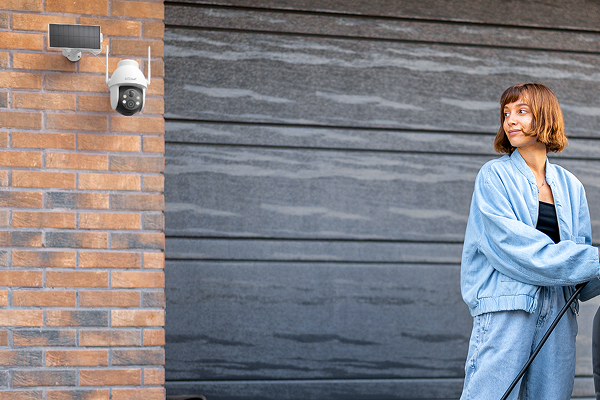
Visible camera lenses and sudden, bright floodlights make sneaky burglars turn and run immediately.
-
Skip the messy wall wiring. Wire-free solar and battery-powered cameras snap into place, making them perfect for busy families and renters.
-
Do not let bad angles ruin your view. Mount your cameras high up to eliminate dark, shadowy blind spots.
-
Always choose crisp night vision and strong waterproofing to easily survive freezing UK rain.
-
If your lens watches the public pavement, official ICO data protection guidelines apply. Just limit your recording zones and put up clear warning stickers to stay fully legal.

What is a Home CCTV System?
A modern home CCTV system is a digital safety net for your property. Instead of old, grainy TV monitors, today’s tech connects a network of smart cameras to your smartphone. Consequently, you can check your driveway, front door, or back garden with a quick tap.
These clever devices adapt to the rhythm of your daily life:
- You can easily keep an eye on the daily school run. A busy parent can peek at the front path to ensure the kids arrive home from school.
- It is much safer and easier to manage deliveries. An older homeowner can see exactly who is knocking on the porch before standing up to open the door.
- You will stay completely connected during the holiday. A traveler can spot a stray cat wandering near the garage from a hotel thousands of miles away.
Installing CCTV systems for home use is no longer a luxury reserved for giant mansions. They provide everyday confidence, helping you stay connected to your castle.
Why are UK Homeowners Increasing CCTV Adoption?
Most UK homeowners are not looking for a complicated security network. You want a system that is easy to install, easy to check, and genuinely useful for your daily life. This explains why smart, wireless cameras are becoming popular across the country.
While a camera cannot magically prevent every single crime, it makes your property look much tougher to break into. It also provides vital video evidence if a crime actually occurs.
The value of these systems grows even more when you consider your everyday routine:
- It is simple to keep track of daily deliveries. You can easily check whether your new online parcel has arrived safely on your porch.
- You can effortlessly monitor the school run. You can quickly see that your teenager got home from school without any trouble.
- It allows you to look out for an elderly relative. You can keep a gentle watch over an older parent’s front entrance to help ensure their safety.
- You can safely investigate the midnight noise. You can confirm if that late-night rustling is just a neighborhood fox or a real intruder.
For most families, the biggest benefit is not catching a dramatic crime. It is enjoying a steady, calm routine. A well-placed home CCTV camera provides comforting moments of certainty throughout your week.

Types of Home CCTV Systems in the UK
| Type | Power Source | Installation |
| Wired CCTV | Mains electricity | Complex (cabling required) |
| Wireless CCTV | Battery-powered | Easy, no wiring |
| Indoor Cameras | Mains or battery | Easy |
| Outdoor Cameras | Mains or battery | Moderate |
| Smart CCTV | Mains or battery + WiFi | Easy |
| Solar/4G CCTV | Solar + mobile network | Easy to moderate |
Wired vs Wireless CCTV Systems for Your Home
Wired setups offer a permanent, rock-solid connection because they plug directly into your home’s main electricity. However, running these thick cables through brick walls is highly disruptive.
Alternatively, wireless CCTV systems for home use have rechargeable batteries. This makes them flexible. You can mount them onto a wooden fence post or a brick wall in minutes without drilling any messy holes.
Indoor vs Outdoor Home CCTV Setups
-
Outdoor Boundaries: Burglars always look for quick entry routes. Point your lenses at your front door, back patio gates, and dark side alleyways to catch intruders before they touch a handle.
-
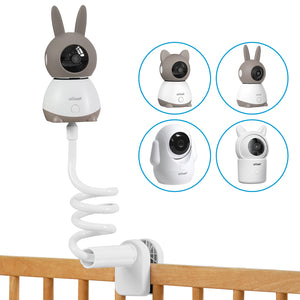
Indoor Hallways: Adding an indoor camera creates a secondary safety net. It lets you check on a sleeping baby or ensure your dog isn’t scratching the living room sofa.
Smart Home CCTV with Mobile Monitoring
Solar and 4G CCTV for No-WiFi Environments
If you need to protect a remote location, such as an allotment shed or a holiday caravan, you do not even need WiFi. You can use 4G solar cameras that run off-grid via mobile networks.
Ultimately, choosing the right combination of tools gives you the best protection. By tailoring your devices to your property’s unique shape, you can build a safe, reliable shield for your home.
How to Choose the Best CCTV Camera for Home?
Key Factors: Resolution, Night Vision, AI Detection
Image quality is your starting point. You must be able to recognize a face, a jacket color, or a vehicle. A 5MP camera provides a much sharper, crisper picture than an older standard 1080p lens.
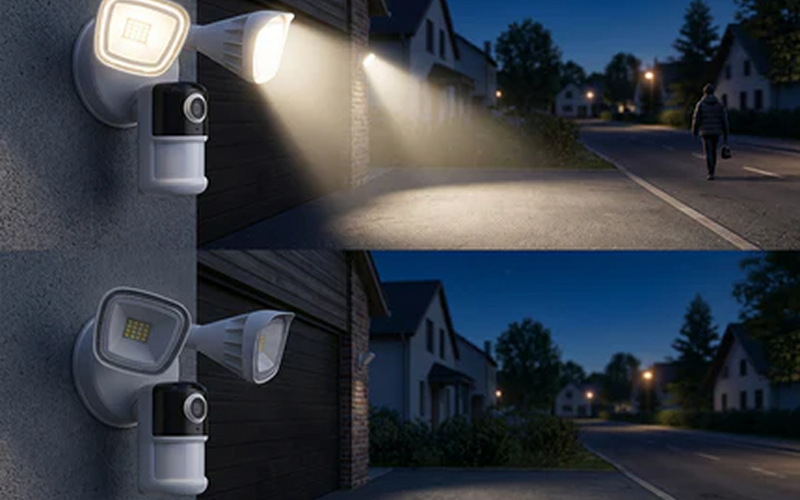
Night vision is even more critical because shadows hide sneaky movement. To fight this, the ieGeek ZY-E2 Floodlight Camera combines ultra-clear 5MP video with a blazing LED light. It uses a wide 150-degree motion sensor to spot trouble up to 25 meters away in total darkness.

-
Shadowy Driveways: Keep a close, well-lit eye on parked family cars, which often attract late-night thieves.
-
Hidden Side Paths: Instantly light up narrow walkways before an intruder ever reaches your back garden.
-
Quiet Garage Doors: Catch sneaky, quiet movement that normally goes unnoticed from the street.
Storage options: cloud vs SD vs 24/7 recording
-
Cloud storage lets you save clips directly to the internet. Your evidence stays completely safe even if a thief smashes the physical camera, though some brands charge a monthly fee.
-
A micro SD card stores video locally inside the camera itself. This is a brilliant way to avoid ongoing subscription costs entirely.
-
Older hardwired systems can record 24/7, but they require a bulky indoor recording box.
Indoor Monitoring for Complete Home Coverage
-
The School Return: Check your phone to ensure your children arrive home and kick off their muddy boots.
-
The Pet Watch: Peek in during a long office shift to ensure your lonely puppy isn’t chewing up the kitchen table legs.
-
The Travel Check: If an outdoor camera sends an alert while you are away, you can look inside to confirm no one actually stepped through the door.
Smart home protection works best in layers. By placing an indoor security camera along your main internal path, you create a solid safety net. You gain complete, dual-layer control without needing to buy a dozen expensive outdoor units.
Installation Tips for Home CCTV Systems
Best camera placement for maximum coverage
-
You need to set the right height. Mount your cameras at about 3 meters. This keeps them safe from tampering but low enough to clearly capture a face, rather than just the top of a baseball cap.
-
It is crucial to watch the lighting. Avoid pointing the lens directly at a bright street lamp, which can wash out your night video.
-
You should consider layering the front door. If you get a lot of daytime deliveries, pairing your main cameras with a smart wireless video doorbell is a brilliant way to cover your front porch.

Avoiding blind spots in house CCTV system design
Blind spots happen when people mount cameras simply because brickwork is easy to reach. A fixed-lens camera pointed straight ahead might miss a thief squeezing through a side fence.
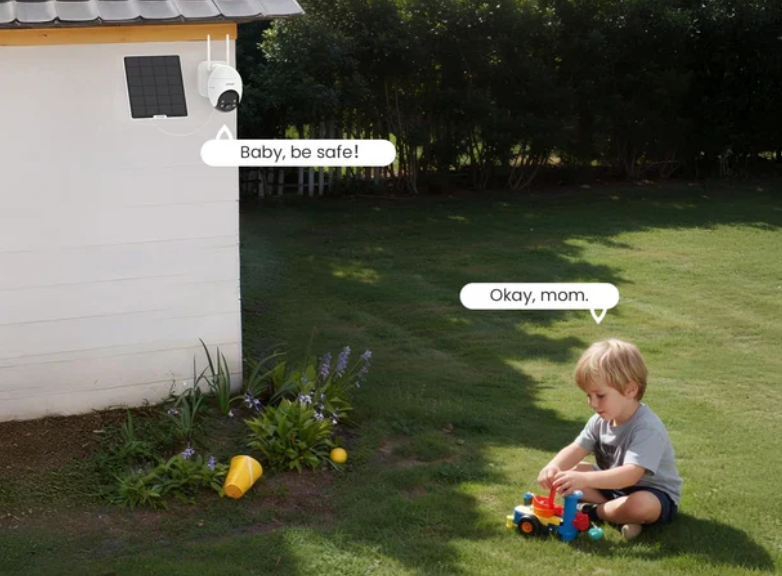
To fix awkward property layouts, use a camera that can physically move. For example, the ieGeek ZS-GX4S 5MP Solar Security Camera lets you use your phone app to pan the lens 355 degrees and tilt 120 degrees.
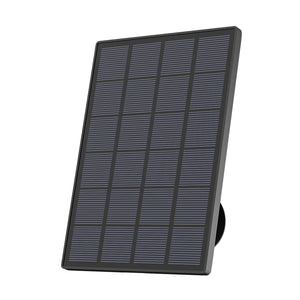
It captures sharp 5MP color video and runs with a solar-charged 5200mAh battery. This incredible flexibility allows for monitoring of L-shaped gardens or detached garages without running any messy wires.
Before you drill any holes, grab a piece of paper and sketch out your yard. Place your devices where those invisible walking paths cross. If that perfect protective spot lacks a power plug, use a solar-powered security camera to secure the tricky area.
FAQs
What is the best home CCTV system for UK weather conditions?
Can I install a CCTV system for my home without professional help?
Can CCTV cameras work without WiFi?
Where should I place CCTV cameras in my house?
Are wireless CCTV systems secure from hacking?
Conclusion
Author Intro
 |
Written by the ieGeek team, a brand dedicated to making smart security simple and accessible for everyone. With experience in designing easy-to-install security cameras, we aim to provide practical advice based on real user scenarios. Our goal is to provide reliable, easy-to-use technology that helps users stay connected and protected in different environments. |