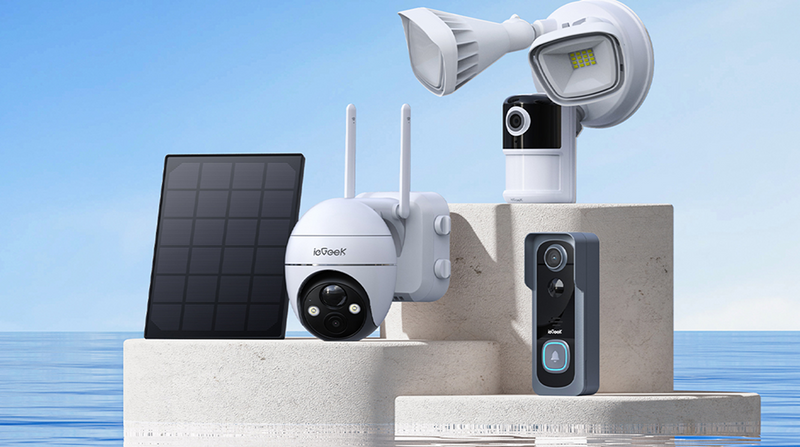


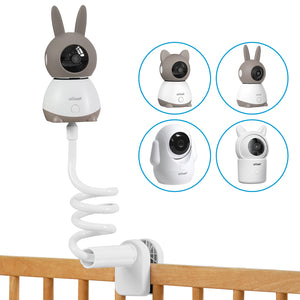
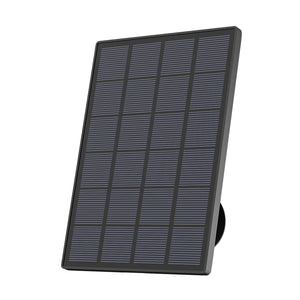


A solar-powered 4G cellular camera draws energy from the sun while using a 4G network to support real-time viewing, motion alerts, and remote access. It can keep watch over outdoor areas even when WiFi and wired power aren’t available.
If you’re looking to strengthen security, check a remote property, or observe wildlife outdoors, this buying guide will introduce you to the key features and uses of solar cellular security cameras.
Read on as we explore how these cameras work, their main benefits, important buying factors, and several ieGeek options to help you choose the best solar security camera for your needs.
Key Takeaways
-
A solar cellular security camera uses solar energy for power and a 4G or LTE network for video transmission, so it can work without WiFi or mains electricity.
-
It’s most useful for farms, construction sites, holiday homes, wildlife areas, and other remote locations with mobile coverage.
-
Before buying, check the local mobile signal, solar panel performance, battery capacity, video quality, night vision, storage, and weather resistance.
-
A cellular model offers more installation freedom than a WiFi solar camera, but it requires a SIM card and mobile data plan.
-
The best solar powered security camera should match your location, viewing range, installation method, and security needs.

What Is a Solar Cellular Security Camera?
In the field of modern security, solar-powered 4G cellular cameras have emerged as advanced devices that combine the benefits of solar energy with 4G connectivity. These cameras are designed to work independently, using solar panels to collect energy from the sun and cellular networks to support communication.
How Does a Solar Cellular Camera Work?
Solar cellular cameras' operating process is straightforward:
Solar Power
At the centre of this technology are photovoltaic panels, commonly called solar panels, which turn sunlight into electrical energy.
These panels are usually mounted on the solar cellular camera or on a nearby structure. They absorb energy from sunlight and generate direct current electricity to power the device.
To support continuous operation, solar security cameras also include energy storage systems such as rechargeable batteries.
During daylight hours, extra energy produced by the solar panel is stored in the built-in battery. This allows the camera to continue operating at night or during cloudy conditions.
Cellular Connection
Off-grid surveillance cameras use 4G or LTE cellular networks to transmit data. These mobile networks provide reliable connectivity in locations beyond the reach of WiFi.
To connect to a cellular network, the cameras include SIM card slots that support compatible mobile providers.
You can insert a SIM card and select a suitable data plan based on your monitoring needs. Some 4G security cameras also include an integrated cellular modem, making the setup process simpler.
App Alerts and Live View
The use of cellular networks supports real-time data transmission, allowing you to remotely access live footage and receive immediate notifications.
Through the camera app, you can check the monitored area from another location and receive alerts when the camera detects movement.
Benefits of Solar Cellular Security Cameras
Here are the main benefits that make solar cellular security cameras stand out:
1. Flexible and Independent Camera Placement
One of the most notable advantages of a 4G solar-powered cellular security camera is the flexibility it offers in placement.
Free from the limits of mains power and wired internet, you can install the camera in almost any location with enough sunlight and a stable mobile signal.
2. Fewer Network and Power Supply Concerns
A solar cellular security camera reduces the concerns linked to network access and power supply.
The use of 4G or LTE connectivity provides a stable data connection that doesn’t rely on wired broadband. At the same time, solar charging reduces the impact of power cuts, making the camera a more self-sufficient option for ongoing monitoring.
3. Suitable for Wildlife Watching
The adaptable design of a 4G solar cellular camera also makes it suitable for wildlife watchers and researchers. Cameras can be placed in remote natural areas, allowing you to observe animal activity with less disturbance.
The combination of solar power and cellular connectivity means the camera can continue working in locations where fixed electricity and WiFi coverage are limited. You can then receive wildlife footage on your phone even when you aren’t at the site.
4. Outdoor Monitoring with Less Maintenance
Designed for outdoor environments, solar cellular cameras can handle the challenges caused by changing weather and exposed locations.
Weather-resistant construction and solar charging make these outdoor security cameras suitable for gardens, farms, building sites, and remote properties. They can provide regular monitoring while reducing the need for frequent charging or complex maintenance.
Best Places to Use a Solar Cellular Camera
A solar cellular camera is designed for people and organisations that need security monitoring in places where WiFi and power outlets aren’t available. This flexible solution is suitable for:
-
Off-Grid Locations: Useful for farms, cabins, fields, and other remote places without fixed power or internet access.
-
Large or Distant Areas: Suitable for wide properties or difficult terrain where long-distance monitoring is required.
-
Wildlife Areas: A practical option for wildlife watchers and researchers observing animals in remote habitats.
-
Temporary Sites: Flexible enough for short-term use at construction sites, outdoor events, and other temporary locations.
-
Challenging Environments: Built for areas that may face power cuts, limited network access, or changing weather conditions.
With its flexible placement, weather-resistant design, and independent power supply, a solar cellular security camera can support a wide range of outdoor monitoring needs.

What to Check Before Buying a Solar Cellular Camera?
Selecting the best solar-powered security camera requires careful attention to several factors. The right model should provide reliable performance and match the needs of your monitoring location. Here are the main points to consider:
Mobile Signal
Check the compatibility and costs of the available mobile network providers. Make sure the camera supports a network with reliable coverage in your area, and choose a data plan that matches how often you’ll use live view and recorded footage.
Some solar cellular cameras may support several network providers or prepaid data plans. This can offer more flexibility for temporary monitoring or seasonal use.
Solar Panel and Battery
Consider the camera’s battery capacity and how effectively it works with the solar panel. A larger battery can store more solar energy, providing longer operation during periods of limited sunlight.
You should also check the charging efficiency of the solar panel. It needs to recharge the battery effectively, especially in UK locations where sunlight levels can vary throughout the year.
Video Quality and Night Vision
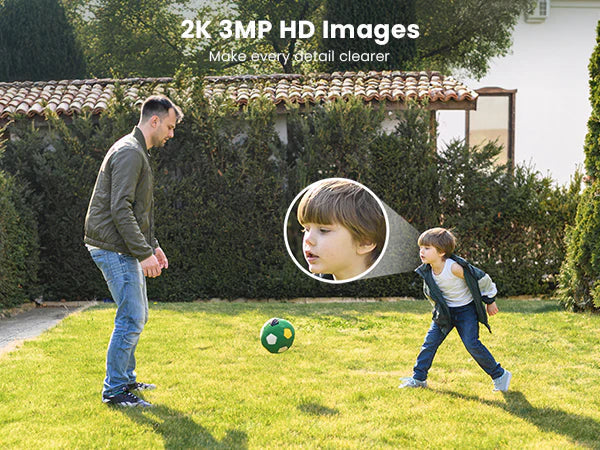
Check the camera’s video resolution, as this directly affects the clarity of recorded footage. A resolution of 3MP or 1440p can provide clearer facial and vehicle details during the day.
A lower resolution may struggle to capture details beyond 20 ft (6.1 m) across larger properties. However, higher-resolution footage also uses more mobile data and storage space.
Some cameras use two video streams: a high-resolution stream for recording and a lower-resolution stream for live preview. This can reduce data use while maintaining the quality of saved footage.
You should also review the night vision range and image type. Infrared night vision records in black and white, while colour night vision usually needs a spotlight or another light source.
Storage and Weather Resistance
Review the camera’s storage options, including support for local storage such as a microSD card. Compare the available capacity with how often the camera records and how long you need to keep the footage.
Some cameras also provide cloud storage for easier remote access. However, cloud uploads may increase mobile data use and can involve an additional subscription cost.
For outdoor installation, check the camera’s weather-resistance rating as well. The housing should protect the device from rain, dust, and changing weather conditions at the installation site.

Best ieGeek Solar Cellular Cameras to Consider
Finding the best solar-powered security camera starts with understanding where you’ll install it and which features matter most. These three ieGeek solar cellular models support off-grid monitoring, but each one offers a different mix of power, viewing coverage, and installation flexibility.
ieGeek S11 4G LTE Cellular Solar Camera
The ieGeek S11 4G LTE Cellular Solar Camera brings together 4G access, solar charging, and smart detection for reliable monitoring in areas beyond the reach of WiFi.
Powered by a 5W solar panel and a 10,000mAh rechargeable battery, the camera can continue operating with less need for manual charging. Its IP66 weather-resistant housing also protects it against rain and cold, making the S11 suitable for barns, building sites, farms, and other exposed locations.
The camera records in 2K and supports colour night vision, helping you see clearer details during the day and after dark. Its 350° pan and 90° tilt controls cover a wider area, while smart person detection filters out animals and other irrelevant movement.
ieGeek ZY-G2 4G LTE Camera
The ieGeek ZY-G2 4G LTE Camera is designed for users who need off-grid security together with a quicker and more flexible installation.
A 4G LTE connection keeps the camera online in locations where fixed internet isn’t available. Meanwhile, the solar panel and 9,000mAh battery provide wire-free power throughout the year. This combination makes the ZY-G2 useful for remote properties, farms, job sites, and temporary monitoring projects.
Its magnetic mount allows you to install or reposition the camera with less effort. The ZY-G2 also provides 2K colour footage during the day and at night, while the 300° pan range gives you broader coverage around the monitored space.
ieGeek ZY-G3 4G LTE Cellular Camera
The ieGeek ZY-G3 4G LTE Cellular Camera combines a ready-to-use cellular connection with wide viewing control and active security features.
A pre-installed SIM card provides 4G LTE access without requiring WiFi. The solar panel supplies independent power, while the IP66 housing supports use in changing outdoor weather. It can therefore monitor remote gardens, barns, holiday properties, and other places where electricity and broadband are limited.
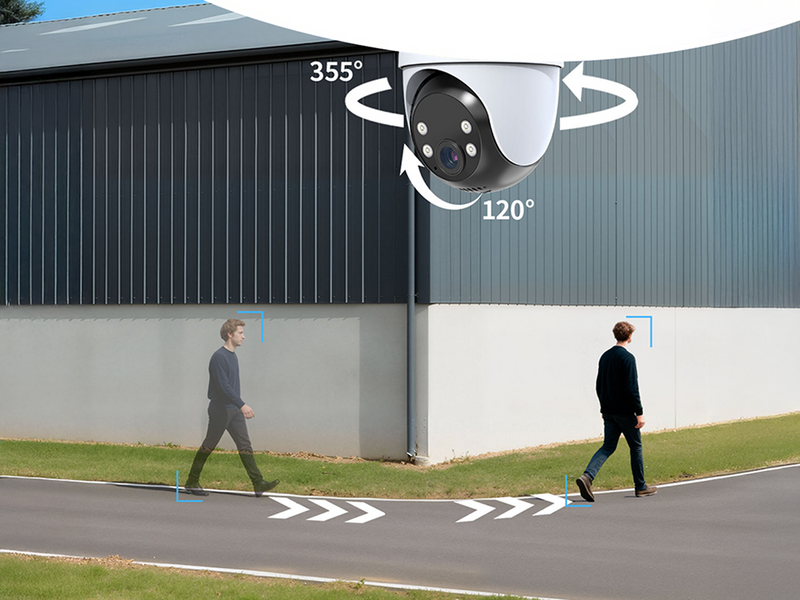
The ZY-G3 captures 3MP 2K footage and lets you control its 355° pan and 120° tilt range through the app. PIR human detection improves alert accuracy, while the built-in light and siren can warn unwanted visitors when movement is detected.

Solar Cellular Camera vs WiFi Solar Camera
Both camera types use solar energy to charge their batteries, but they connect to the internet in different ways. A solar cellular camera uses a 4G or LTE network, while a WiFi solar camera connects through a nearby router.
|
Feature
|
Solar Cellular Camera
|
WiFi Solar Camera
|
|
Connection
|
Uses a 4G or LTE mobile network
|
Uses a home or local WiFi network
|
|
Best Location
|
Remote or off-grid areas
|
Homes and buildings with stable WiFi
|
|
WiFi Required
|
No
|
Yes
|
|
SIM Card
|
Usually required
|
Not required
|
|
Data Plan
|
Requires a mobile data plan
|
Uses the existing broadband connection
|
|
Installation Range
|
Can be installed wherever mobile coverage and sunlight are available
|
Must remain within WiFi range
|
|
Power Source
|
Solar panel and rechargeable battery
|
Solar panel and rechargeable battery
|
|
Ongoing Cost
|
May include mobile data charges
|
Usually no extra connection cost
|
|
Common Uses
|
Farms, construction sites, cabins, fields, and remote properties
|
Gardens, driveways, entrances, and areas around the home
|
|
Main Limitation
|
Performance depends on mobile signal and data allowance
|
Performance depends on WiFi strength and router distance
|
FAQs
What is the best solar-powered wireless security camera?
The best solar-powered wireless security camera is one that matches your location and monitoring needs. For an off-grid area, look for reliable 4G coverage, efficient solar charging, a large rechargeable battery, clear night vision, and weather-resistant housing.
Among the ieGeek options, the S11 suits users who need a larger battery and wide viewing coverage. The ZY-G2 offers more flexible installation, while the ZY-G3 includes a built-in light and siren for active warnings.
Are solar-powered security cameras any good?
Yes, solar-powered security cameras are useful when you need a wireless and energy-efficient solution for outdoor or remote areas. However, the installation point should receive enough sunlight. Some models may have limits during long periods of poor weather or when used for continuous recording.
Do solar security cameras work without WiFi?
Yes. A solar cellular security camera can work without WiFi by using a 4G or LTE mobile network. You’ll need a compatible SIM card, reliable mobile coverage, and a suitable data plan.
What is the disadvantage of a solar CCTV camera?
The main disadvantage is its dependence on sunlight. Although the built-in battery stores energy for nights and cloudy days, charging may become less effective in shaded areas or during long periods of low sunlight. Solar cellular models also depend on mobile signal strength. Frequent live viewing, high-resolution footage, and cloud uploads may increase both battery use and mobile data costs.
How much data does a 4G security camera need?
A 4G security camera may use between 400MB and 2GB of data per month. The actual amount varies according to the video resolution, motion activity, recording length, cloud uploads, and how often you open the live view. Longer viewing sessions or frequent motion events will require more data. Always check the camera’s specifications and monitor its data use after installation before choosing a long-term mobile plan.
Conclusion
Choosing a 4G solar cellular security camera can significantly enhance your surveillance capabilities, providing a sustainable, wireless, and advanced monitoring solution. Consider your specific requirements and the features available across different models to make a well-informed decision.
Author Intro
 |
Written by the ieGeek team, a brand dedicated to making smart security simple and accessible for everyone. With experience in designing easy-to-install security cameras, we aim to provide practical advice based on real user scenarios. Our goal is to provide reliable, easy-to-use technology that helps users stay connected and protected in different environments. |