



You find a torn delivery box left on your front porch. That sinking feeling is awful. You are not the only one feeling uneasy. The smart home security market in the UK is expected to reach GBP 5 billion by 2033, indicating that millions of families are taking action to protect their property.
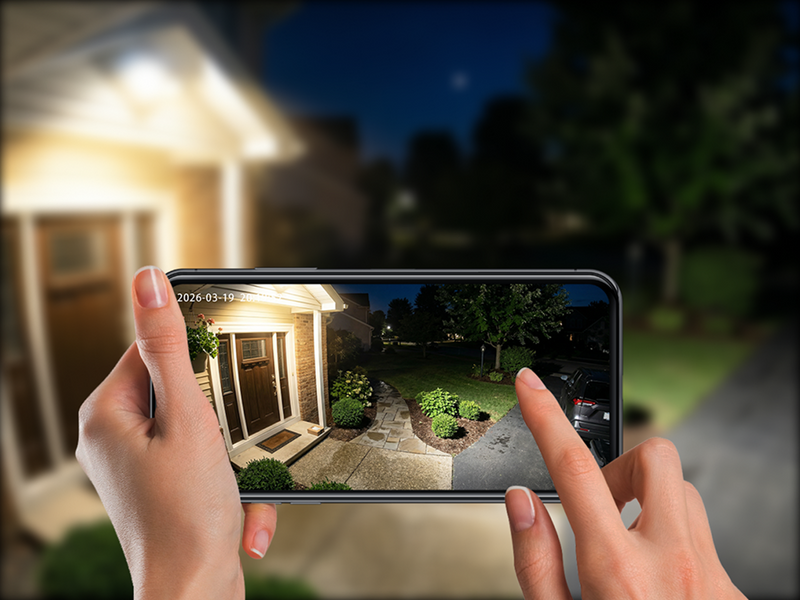
Upgrading your home with a reliable CCTV system changes everything. Instead of guessing, you get clear video alerts sent to your phone. But picking the right cameras can feel overwhelming. This guide makes it simple. You will learn how a modern CCTV system works and which smart features matter. Whether you rent a flat or own a busy family house, read on to build your setup without any technical headaches.
Key Takeaways
A reliable CCTV camera system keeps your home safe and lets you watch live video from anywhere. Here is what you need to remember:
-
You can choose between wired PoE and wireless setups depending on your house.
-
Always look for AI detection, 2K+ resolution, and local storage. These smart features stop annoying false alarms and dodge sneaky monthly fees.
-
The ieGeek PoE System IE82 delivers crisp, professional video. Alternatively, the S7 Wireless 24/7 Recording Camera soaks up the sun to skip messy cables.
-
Mount your lenses 8 to 10 feet up to cover your front porch and lower windows.

Understanding Your CCTV System Options
Before you even look at camera specs, you need to pick your system’s foundation. This single choice shapes how you will install and run everything. Let’s look at your two main paths:
-
Wired PoE (Power over Ethernet) systems use one simple cable to deliver both power and video. You do not need to worry about dead batteries or dropping Wi-Fi signals. This set-and-forget choice saves footage to a hard drive day and night. However, you will have to drill holes and neatly tuck the wires along your walls.
-
Wireless systems, on the other hand, send video straight over Wi-Fi. If you rent an apartment or live in an old house with thick brick walls, these are a total lifesaver. You can mount a battery-powered or solar-powered camera on a back garden fence in 10 minutes without calling an electrician.
So, what is the best move? Let your house decide. Go wired for rock-solid, 24/7 recording. Choose wireless if you need a fast, drill-free setup.
Types of CCTV Home Security System Hardware
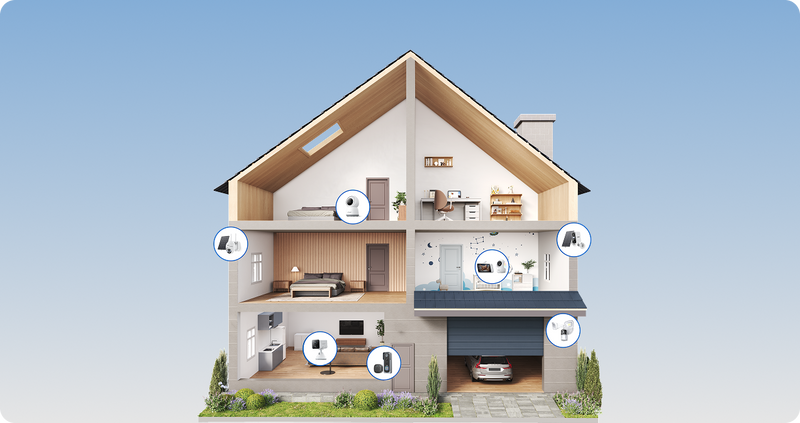
Once you pick your main setup, it is time to choose the right camera shape. Different designs do different jobs around your property.
Here is a quick look at your hardware options:
| Camera Type | Best For | Key Advantage |
| Bullet camera | Driveways, long approaches | Long-range view, visible deterrent |
| Dome camera | Entrances, hallways, garages | Wide angle, vandal-resistant housing |
| PTZ (Pan-Tilt-Zoom) | Large gardens, open areas | Follows movement across wide zones |
| Doorbell camera | Front door | Visitor identification, two-way talk |
| Indoor security camera | Living rooms, children's rooms | Discreet, app-controlled monitoring |
| Solar camera | Remote outbuildings, gates | Fully wireless, battery-free operation |
A tough dome lens sits under a low porch roof, shrugging off a swipe from a vandal’s broom. Meanwhile, a sleek bullet lens stares straight down a dark driveway, warning trespassers to stay away.
You must check the weather rating. You will see numbers like IP65 or IP67 on the box. This tells you how well the camera blocks dirt and rain.
-
IP65: This completely blocks dust and handles heavy water jets. It withstands typical damp British weather.
-
IP67: This rating means the camera can withstand brief underwater exposure. It is ideal for an exposed coastal fence, whipping in salty winds and sideways storms.
Any lens you hang outside must have an IP65 rating. By matching the right camera shape and weather shield to your specific location, you build a reliable CCTV security system that lasts for years.

Choosing Your Perfect CCTV Camera System
Finding the perfect camera gets much easier when you focus on the tools that solve your problems. Instead of getting lost in confusing tech jargon, match specific features to your home. Let us look at what truly matters:
-
Resolution: A 2K camera is the everyday sweet spot for most yards. It gives you crisp video to read a license plate by the curb without eating up all your digital space. However, you should step up to a 4K lens if you monitor a massive driveway. The extra sharpness lets you zoom in on tiny details without blurry blocks.
-
Night Vision: Always skip the old black-and-white video. Instead, choose true-color night vision. If a car bumps your mailbox at midnight, color video shows the police a bright red truck rather than a dull grey shape. A solid lens lets you see 15 to 20 meters into the dark.
-
AI Detection: Basic cameras beep at every blowing leaf or passing headlight. This trains you to ignore your phone alerts. Smart AI detection fixes this problem. It ignores the wind and only rings your screen when a real person or a delivery truck pulls up.
-
Storage: You must decide where your video lives. Cloud storage sends your clips to an online server, but you usually pay a monthly fee. Alternatively, local storage saves everything right onto a hard drive or memory card. A simple 2TB drive easily holds weeks of daily footage for free.
-
Connectivity: If you use wireless cameras, Wi-Fi 6 models handle heavy video traffic without slowing your family’s internet connection. For wired setups, a PoE connection bypasses Wi-Fi for an unbreakable, stable link.
Picking the right mix of these tools creates a quiet, reliable safety net that fits your daily routine.

Practical Strategies for Home Setup
Setting up your home protection is all about working smarter, not harder. You will get far better results from 2 perfectly aimed cameras than from 5 badly placed ones. Here is how to create a solid safety net around your property:
-
Map Your Entry Points: Take a slow walk around your house. Find your front door, back gate, garage, and any lower windows. These spots need the most attention. In fact, national burglary data research on the most dangerous places in London shows that ground-floor doors and windows remain the favorite targets for break-ins.
-
Prioritize Coverage Zones: Cover your spaces in the smartest order. Start with your front porch and driveway, where thieves easily grab packages or cars. Then secure your hidden backyard. Place a quiet indoor security camera in your hallway. This watches the path anyone must take through.
-
Mount at the Right Height: Always hang your outdoor lenses 8 to 10 feet above the grass. This height captures a clear, sharp picture of an approaching face. Plus, it keeps the camera out of reach from a jumping thief or a swinging broom.
-
Check Your Wi-Fi Signal: Before buying wireless gear, hold your phone where you want the camera to be. If your phone drops the internet near the back fence, your new camera will fail there, too. You must boost your router or pick a hardwired cord instead.
-
Test Night Vision: Test your CCTV camera in the dark. Stand at the deep edge of your yard at midnight. This ensures the camera captures your face rather than just a blurry shadow.
By carefully planning these simple steps, you build a strong, reliable shield. Ultimately, a few well-placed lenses give you peace of mind every night.
Top ieGeek Product Collections
Building a reliable CCTV security system is simple when you pick the exact right gear. Whether you need a permanent wired setup or a flexible sun-powered lens, you can protect your property around the clock.
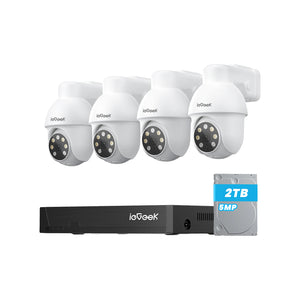
The Wired Workhorse: ieGeek PoE System IE82
If you want rock-solid reliability, the ieGeek PoE System IE82 is your best choice. It uses a single network cable to deliver both power and internet to the lens. Because of this, it never drops its signal. It is perfect for monitoring a busy front driveway.
-
Ultra HD 4K Video: This sharp lens captures distant license plates and faces in any light.
-
Smart AI Tracking: The camera swivels 360 degrees to follow strangers as they walk across your yard.
-
Free Local Storage: A massive 2TB hard drive saves weeks of continuous video. You dodge sneaky monthly cloud fees.
-
Color Night Vision: It sees bright clothing and vehicle colors up to 15 meters away in the dark.

The Flexible Guardian: S7 Wireless 24/7 Recording Camera
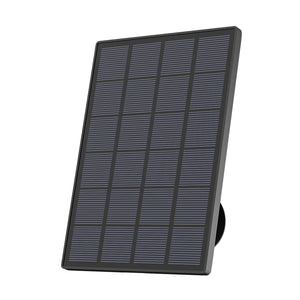
Sometimes, running a wire to a distant garden gate is impossible. The S7 Wireless 24/7 Recording Camera solves that problem. It runs on a heavy-duty 9,000mAh battery and a 5W solar panel.
Furthermore, it offers vital home resilience. If a severe storm knocks out your local power grid, this camera stays awake and keeps recording.
-
True 24/7 Video: It records every second, skipping the annoying delay of basic motion sensors.
-
Solar Energy: It charges in the daylight. You never have to climb a ladder to plug it in.
-
Crisp 2K Resolution: Provides a crystal-clear, 360-degree view of your property.
-
Wi-Fi 6 Speed: This connection handles heavy video streaming without slowing down your family’s internet.
Smart Specialty Upgrades
Once your main doors are safe, you can expand your daily safety net.
-
Tough outdoor security cameras handle heavy rain to reliably protect your exposed front porches.
-
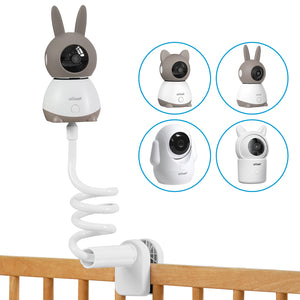
A quiet indoor security camera lets you safely check on your pets from your office desk using clear two-way audio.
Mixing steady wired hubs with flexible solar lenses creates a tough, permanent safety net. You get true peace of mind, no matter what the weather brings.

FAQs
Can a home CCTV system work during a power outage?
It depends on your setup. A wired system goes dark when the mains drop, unless you plug it into a backup battery pack. Meanwhile, solar or battery-powered cameras keep recording. Their built-in power reserves stay wide awake through the blackout. For total peace of mind, pair your wired hub with a backup power supply.
Where is my recorded video stored?
You generally choose between two simple spots. Local storage saves clips directly to a hard drive or a tiny memory card. It is totally private and skips monthly fees. Alternatively, cloud storage compresses your video and stores it on a remote server. You can watch those cloud files anywhere, but you’ll need a monthly subscription.
How many cameras do I need for a standard house?
A typical 3-bedroom home needs about four to six cameras. Focus on your front porch, the driveway, and the back garden gate. If you rent a flat, two cameras easily cover your main doors. Always focus on getting a crisp view of your entryways rather than scattering cheap cameras randomly across the property.
What is the difference between IP65 and IP67 weatherproofing?
Both ratings keep out nasty dust. An IP65 camera easily withstands heavy rainstorms and garden hose splashes. It is perfect for standard eaves-level mounting. Stepping up, an IP67 camera can withstand submersion for 30 minutes. You need extreme protection if you mount cameras in flood zones or at low levels.
Do I need planning permission to install a CCTV camera in the UK?
You rarely need planning permission for standard home setups. However, strict UK privacy laws apply if your lens captures the public pavement or a neighbour’s yard. If that happens, the Information Commissioner’s Office requires you to put up clear warning signs. Aim at your cameras within your own fence to avoid hassle.
Is a wireless CCTV camera as reliable as a wired one?
Wireless cameras work as long as your Wi-Fi signal stays strong. Modern Wi-Fi 6 models cut through busy household signal traffic. Still, if you live in a massive home with thick brick walls, wired cameras win. A hardwired cable ignores spotty internet dead zones and guarantees a steady, crystal-clear picture every time.
Conclusion
A CCTV system is no longer just for giant bank vaults. This everyday household tool provides smart protection. Your choice comes down to how your property is built. You can run a permanent cord right through your attic, or you can snap a sun-powered lens onto a distant garden shed. Both paths give you a watchful guard. Ultimately, your CCTV home security system should work tirelessly in the background, letting you sleep soundly every single night.
Author Intro
 |
Developed by the ieGeek content team, combining hands-on experience with smart devices and insights into real user needs. ieGeek is widely known for smart security, our solutions are also designed for a variety of real-life scenarios, including travel, outdoor monitoring, pet care, and family safety. We focus on delivering simple, dependable solutions that fit seamlessly into daily life. |